
CONAE — Argentine Space Agency
Updated 18 Jul 2026Claim CONAE — Argentine Space Agency
Use your work email on the company domain (argentina.gob.ar/ciencia/conae) — we will send you a confirmation link. Other emails are reviewed manually.
About CONAE — Argentine Space Agency
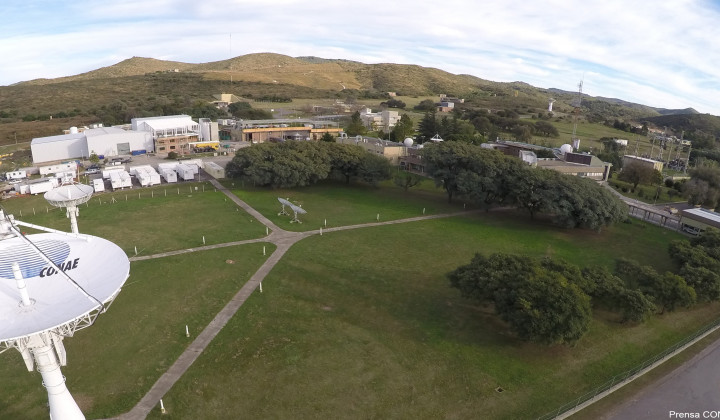
CONAE (Comision Nacional de Actividades Espaciales) is the Argentine government agency responsible for the national space program. Established in 1991, CONAE designs, develops, and operates Earth observation and scientific satellites.
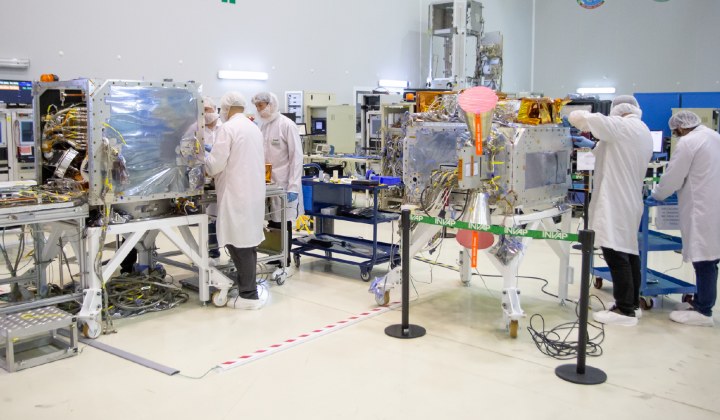
CONAE flagship program is the SAOCOM constellation, two L-band SAR satellites that provide all-weather imaging for emergency management, soil moisture monitoring, and agricultural applications across Latin America.
The agency has developed multiple satellite series including SAC (Scientific Application Satellites), the SABIA-Mar ocean color mission in partnership with CONIDA of Peru, and contributed to the Aquarius/SAC-D mission in partnership with NASA.
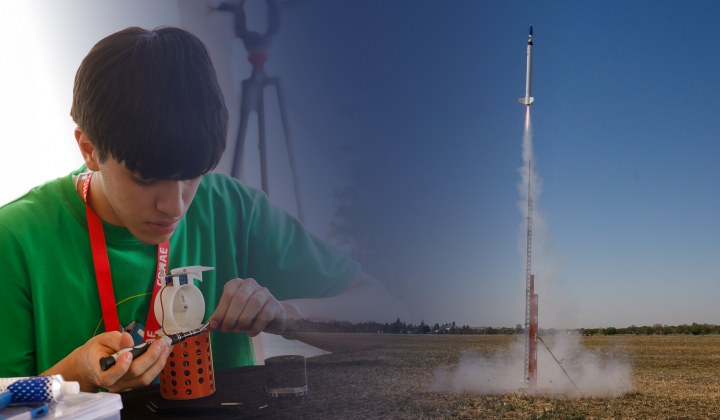
CONAE also supports development of the Tronador II small launch vehicle to give Argentina indigenous access to space, with test launches conducted from the Pampa de Achala test site in Cordoba Province.
Milestones
- 1991 CONAE established by Argentine government
- 2018 SAOCOM 1A satellite launched
- 2020 SAOCOM 1B satellite launched
Photos 2
Reviews
No reviews yet — reviews come from buyer accounts that have worked with this company.
Write a review