
Firefly's small-lift orbital launch vehicle delivering up to 1,000 kg to LEO on a dedicated or rideshare basis.
Alpha
Firefly's small-lift orbital launch vehicle delivering up to 1,000 kg to LEO on a dedicated or rideshare basis.
Description
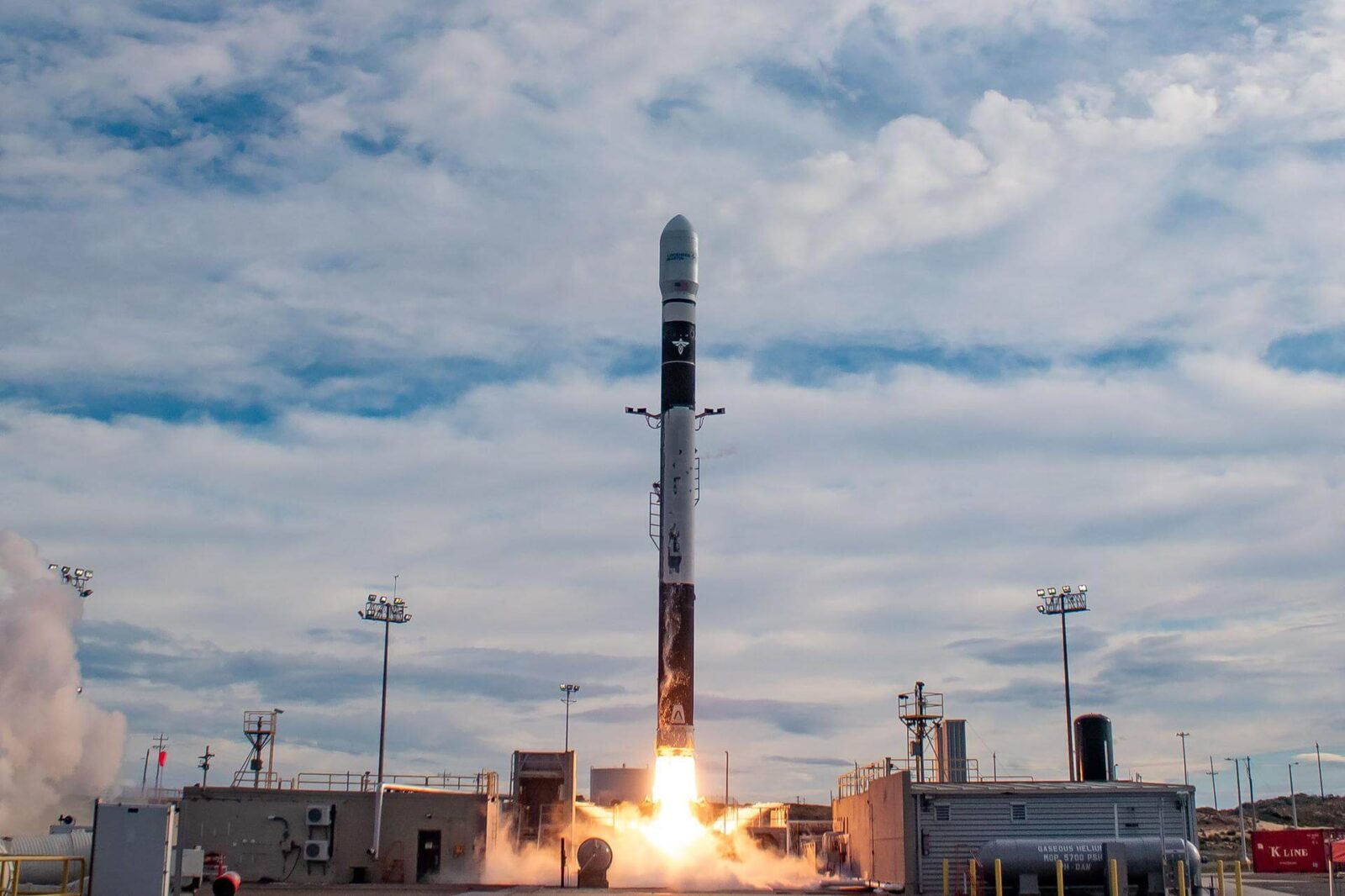
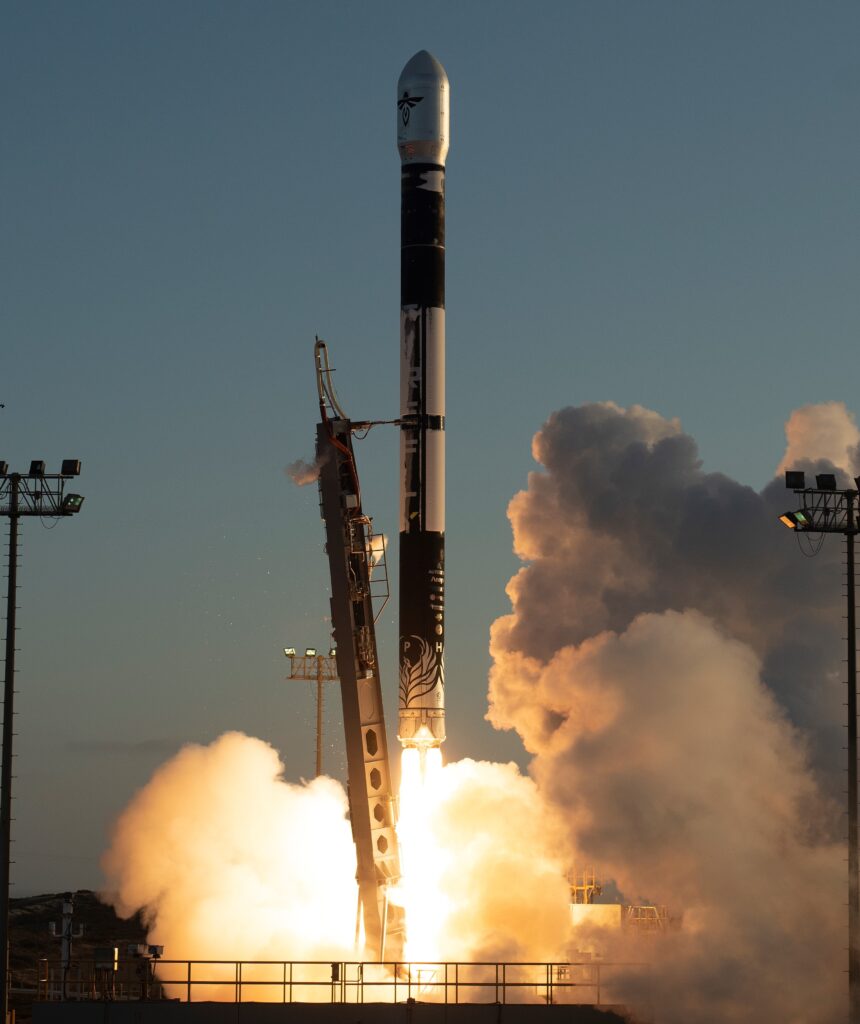
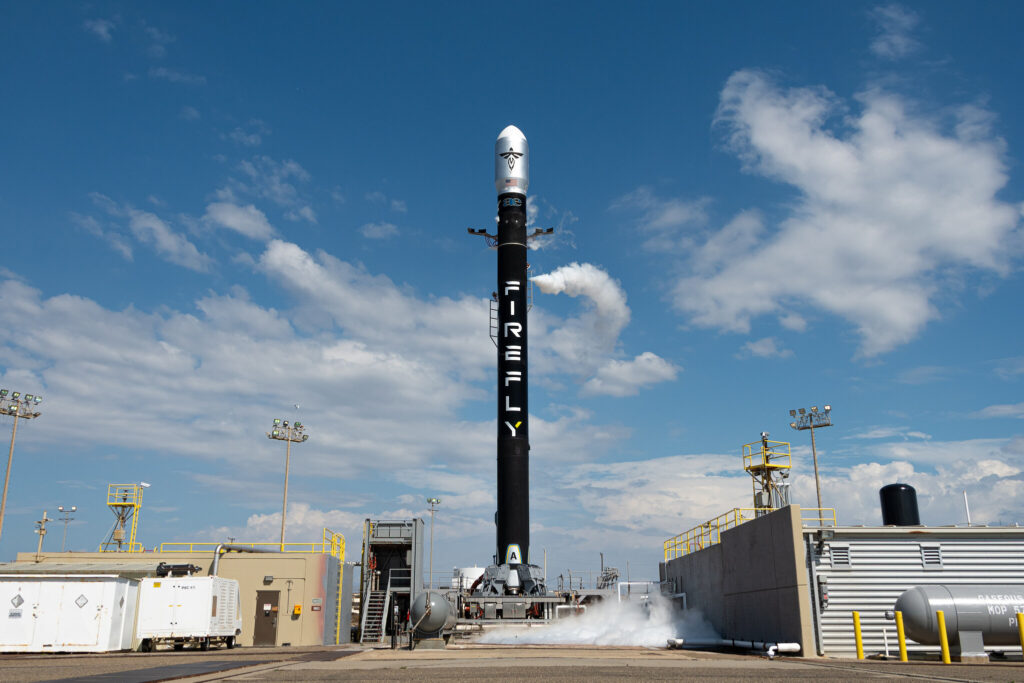
Alpha is Firefly Aerospace's small orbital launch vehicle, designed to carry payloads up to 1,000 kg to low Earth orbit (LEO) or 630 kg to sun-synchronous orbit (SSO) on a dedicated or rideshare basis. The two-stage rocket is propelled by four Reaver engines on the first stage and a single Lightning engine on the second stage, both burning RP-1 and liquid oxygen.
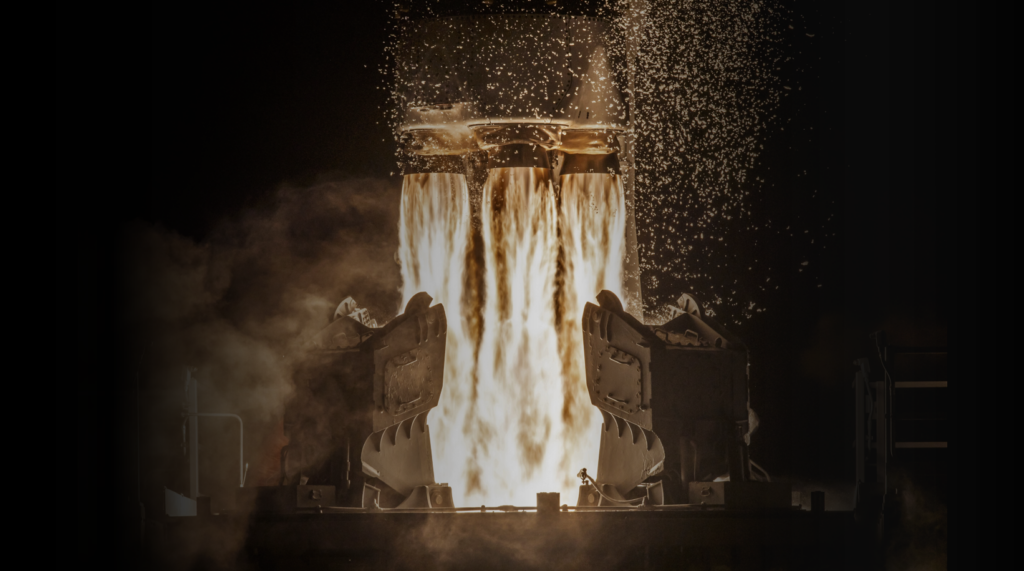
Alpha's propulsion system uses a unique E2 (Evolved Expendable Engine) combustion approach designed for simplicity and low manufacturing cost. The first stage's four Reaver engines gimbal for steering, eliminating the need for separate vernier engines or control surfaces. The vehicle includes a 2.2-meter-diameter carbon composite payload fairing.
Alpha had a challenging development history: the first launch (Alpha FLTA001) in September 2021 ended in a first-stage engine failure, and the vehicle was destroyed by range safety. The second launch (FLTA002) in October 2022 successfully reached orbit, delivering the OTV-1 (Orbital Test Vehicle) payload. Subsequent missions demonstrated growing maturity, including the first dedicated commercial mission in 2023.
Alpha is launched from Space Launch Complex 2 (SLC-2) at Vandenberg Space Force Base, California. Firefly has contracted with JAXA for Luna payload missions and has flown satellites for the U.S. Space Force and commercial customers.
Specifications
| Payload to LEO (200 km) | 1,000 kg |
|---|---|
| Payload to SSO (500 km) | 630 kg |
| First stage engines | 4× Reaver (RP-1 / LOX) |
| Second stage engine | 1× Lightning (RP-1 / LOX, vacuum-optimized) |
| Height | 29 m |
| Diameter | 1.8 m |
| Fairing diameter | 2.2 m |
| Launch site | SLC-2, Vandenberg Space Force Base, California |
| First successful orbital launch | October 2022 |