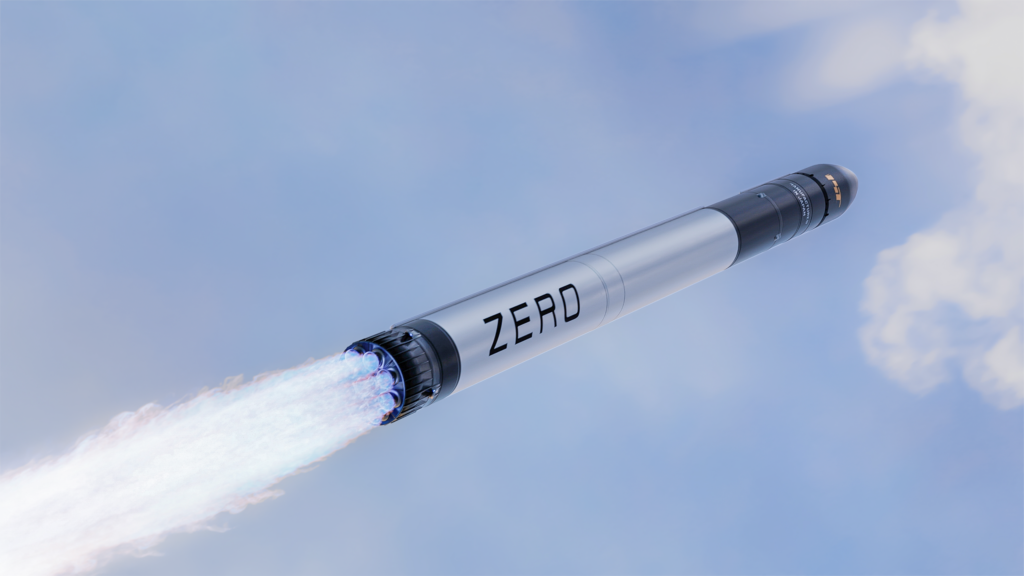

Interstellar Technologies' commercial sounding rockets — MOMO (suborbital) and ZERO (orbital target) — launched from Taiki, Hokkaido Japan.
MOMO / ZERO Sounding Rockets
Interstellar Technologies' commercial sounding rockets — MOMO (suborbital) and ZERO (orbital target) — launched from Taiki, Hokkaido Japan.
Description
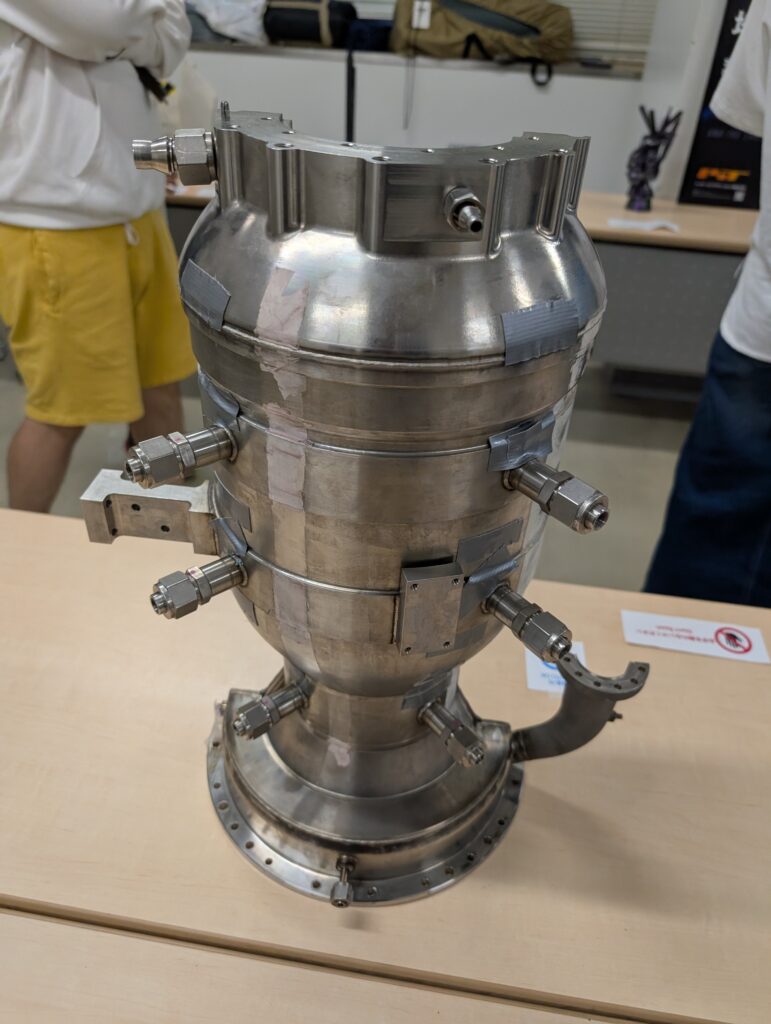
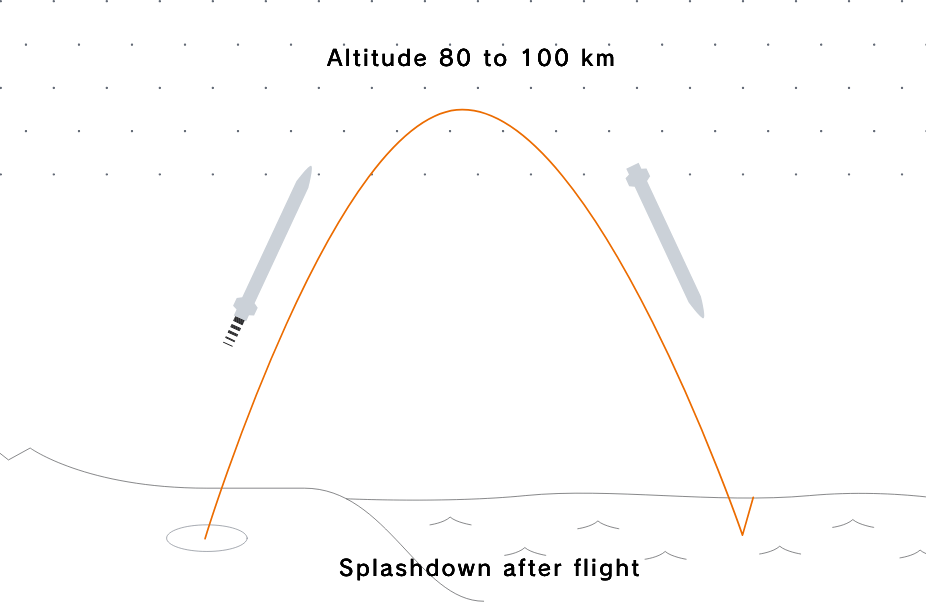
Interstellar Technologies is a Japanese commercial launch startup developing the MOMO sounding rocket family and the ZERO orbital launch vehicle. MOMO is a single-stage suborbital rocket powered by a single ethanol/LOX engine, designed to carry small scientific payloads to altitudes above the Kármán line (100 km). MOMO-7, launched in July 2023, became the first commercial Japanese rocket to cross the Kármán line.
The company launches from its own private launch facility at Taiki-cho, Hokkaido — Japan's first private commercial launch site. MOMO has demonstrated repeatability through multiple flights and serves as the development platform for engine and launch operations technologies that feed into the ZERO orbital launch vehicle program.
ZERO is Interstellar Technologies' orbital launch vehicle targeting approximately 150 kg to SSO. It uses a cluster of MOMO-heritage engines on its first stage with a liquid-fueled upper stage. Interstellar Technologies is backed by Japanese venture investors and aims to offer competitively priced dedicated small satellite launches for the Japanese and broader Asia-Pacific market.
Specifications
| Momo type | Single-stage suborbital |
|---|---|
| Momo propellants | Ethanol/LOX |
| Momo altitude | >100 km (above Kármán line) |
| Zero payload to SSO | ~150 kg (target) |
| Launch site | Taiki-cho, Hokkaido, Japan (private) |
| Notable | First commercial Japanese rocket to cross Kármán line (MOMO-7, 2023) |
| Dimensions | 32 m (height), 2.3 m (diameter) |
| Payload to LEO | 800 kg (at 561 km) |
| Payload to SSO | 250 kg (at 561 km) |
| Fairing height | 5.0 m |
| Fairing diameter | 2.3 m |
| Propellant | Liquid Methane + LOX |
| Orbit inclination | 42° – 98° |
| Perigee accuracy | ± 10 km |
| Apogee accuracy | ± 15 km |
| Inclination accuracy | ± 0.1 deg |