
Flight-proven telemetry parameter archive, analysis and visualisation suite used operationally by ESA, DLR and CNES spacecraft flight control teams.
MUST (Mission Utility Support Tools)
Flight-proven telemetry parameter archive, analysis and visualisation suite used operationally by ESA, DLR and CNES spacecraft flight control teams.
Description
MUST (Mission Utility and Support Tools) was first developed in 2003 and helped revolutionise workflows for managing spacecraft telemetry data. It was created to efficiently access and complement packet-based telemetry repositories with a high-performance parameter archive. At its core lies a relational database optimised for fast, efficient storage of spacecraft parameter data; originally calibrated housekeeping telemetry, the data set has since expanded to include telecommand history, flight dynamics data, mission planning data and ground station data, all converted to the common MUST storage format by source-specific data importers.
MUST is a coherent ecosystem of applications covering efficient data storage, powerful data analysis, and flexible, accessible data visualisation:
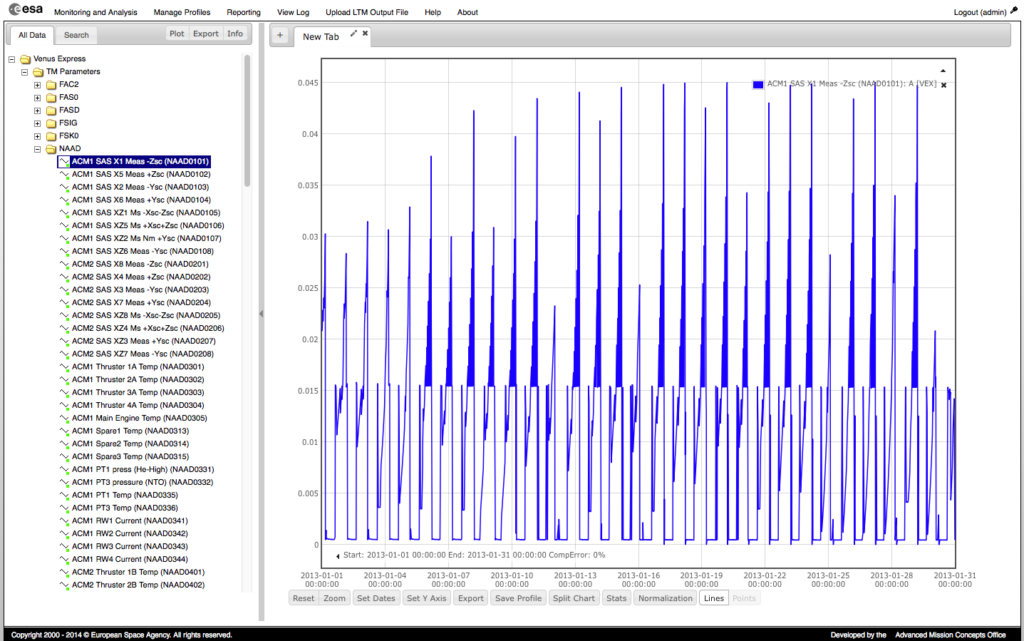
- NGWebMUST — the modern MUST web client, offering personalised, reusable and time-independent analysis via custom dashboards and workspaces, superseding the earlier WebMUST, JavaGrains and Grains clients.
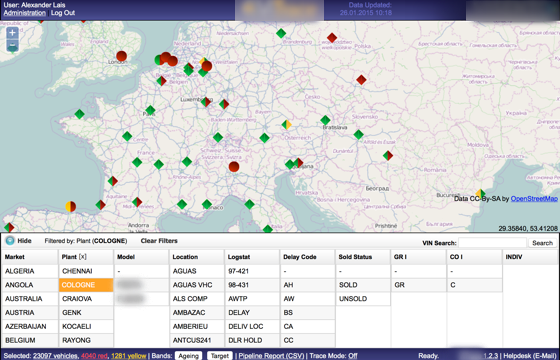
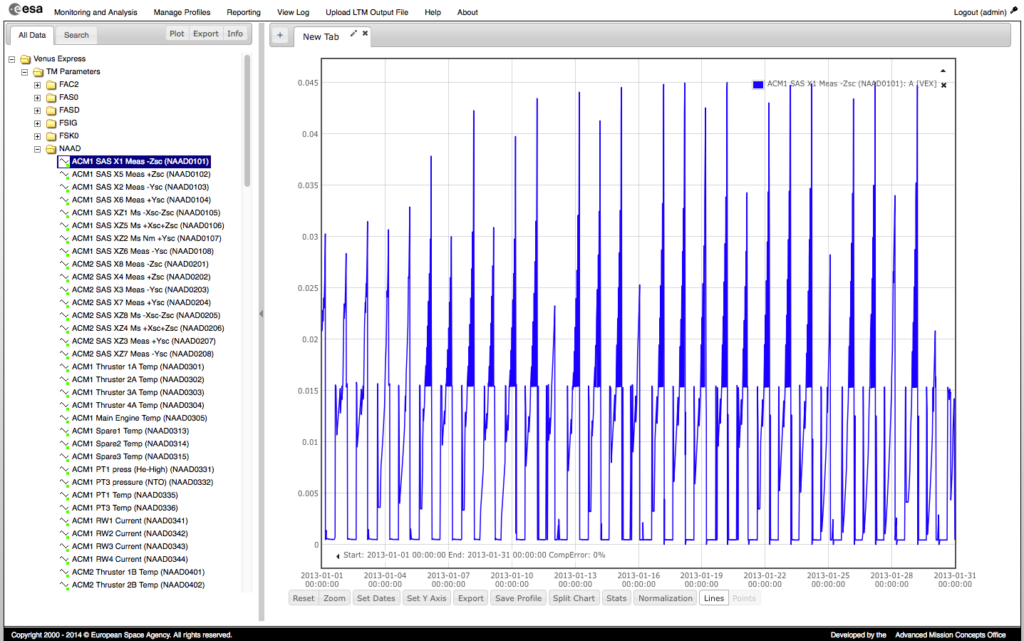
- WebMUST — an HTML5/CSS/JavaScript web client for interactive plotting and exporting of spacecraft data from any browser, including alphanumerical displays, tabular views for telecommand history and events, and a Reporting Tool that generates Microsoft Word reports with embedded plots and tables, on demand or scheduled. WebMUST can also serve as a front end for other time-series systems, such as ESOC's ARES.
- MUSE (MUST Scripting Engine) — lets users build derived parameters on the fly, combining parameters from different assets and time frames to shape telemetry into more useful information.
- MUSTLink — a REST API exposing MUST's data access and services for automation workflows, alarming support, and development of new clients.
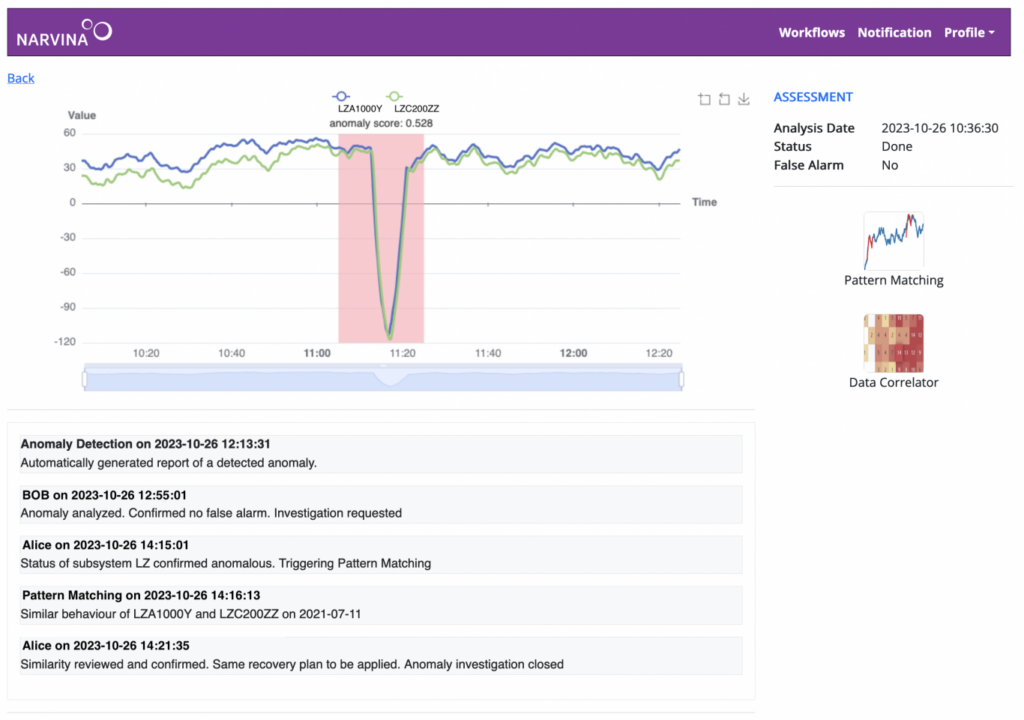
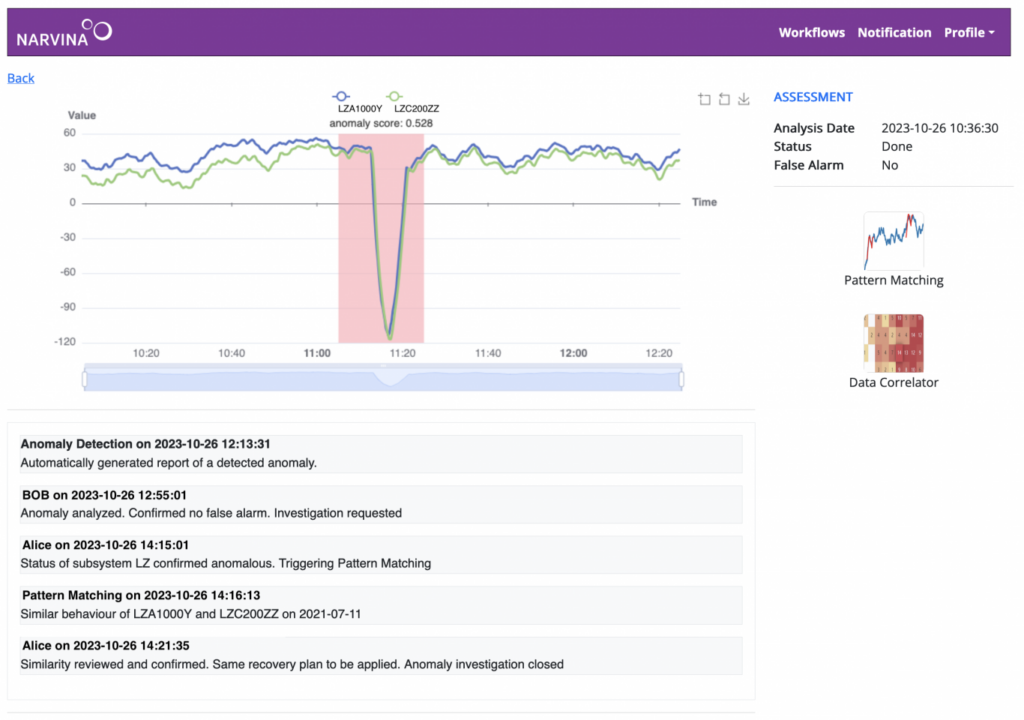
- DrMUST and Novelty Detection — two AI-powered, patented diagnostics tools; DrMUST finds correlations between telemetry parameters, while Novelty Detection automatically identifies novel behaviour and generates daily reports to flag potential issues early.
MUST has a flexible, database-independent architecture (MUST 1.2) that can be tailored to new users and missions, with granular, role-based user access for interdisciplinary teams. Since 2003 Solenix has been responsible for the maintenance and development of MUST and its client applications under contract with the ESA Advanced Mission Concepts Office. MUST is used by most current ESOC spacecraft flight control teams, Galileo teams at DLR and CNES, spacecraft designers at ESTEC, and scientists at ESAC.
Specifications
| Core components | NGWebMUST, WebMUST, MUSE scripting engine, MUSTLink REST API, DrMUST, Novelty Detection |
|---|---|
| Data types | Housekeeping telemetry, telecommand history, flight dynamics data, mission planning data, ground station data |
| Interface | Web-based clients (HTML5/CSS/JavaScript), REST API access |
| Reporting | Automated Microsoft Word report generation with embedded plots and tables, on-demand or scheduled |
| Diagnostics | Patented DrMUST correlation analysis and Novelty Detection anomaly flagging with daily reports |
| Architecture | Database-independent (MUST 1.2), extensible via custom data importers and clients |
| User access | Granular, role-based access control for interdisciplinary teams |
| Flight heritage | Operational since 2003; used by ESOC flight control teams, Galileo teams at DLR and CNES, ESTEC and ESAC |
| TRL | 9 (flight-proven) |