Astra Satellite Engine (ASE)
 Astra Space
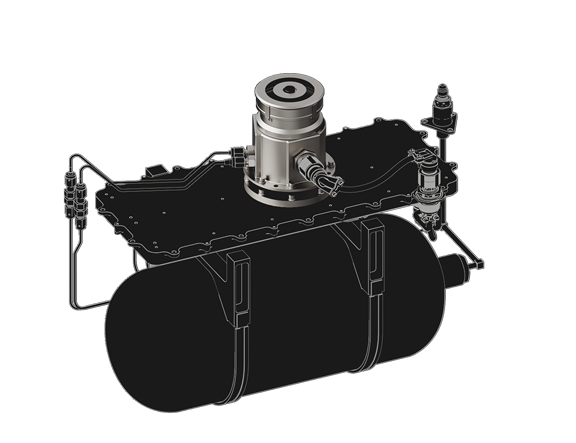
Flight-proven Hall-effect electric propulsion system for small satellites, operating on xenon or krypton with scalable multi-thruster configurations.
Typed specifications5 values
Discloses 2 of 10 fields engineers filter by in this category (category median 3).
- Total impulse
- 300 000 N·s product page 300 000 N·s
- Propellant
- xenon product page krypton
- Flight heritage
- Yes — 110+ engines shipped and on-orbit product page
Each value is typed with its unit and measurement condition and cites the datasheet page it was taken from. Nothing is guessed: a field that is absent here has not been published by the manufacturer. machine-extracted ✓ checked by NewSpace Market ✓ manufacturer confirmed by the manufacturer.
As published by the supplier11 lines, in the manufacturer's own wording
- Propellant
- Xenon (Xe) or Krypton (Kr)
- Input power
- 400 W (single string)
- Thrust (Xe)
- ~25 mN
- Thrust (Kr)
- ~18 mN
- Specific impulse (Xe)
- ~1,400 s
- Specific impulse (Kr)
- ~1,300 s
- Total impulse (Xe, single)
- 300 kN-s
- Total impulse (Kr, single)
- 300 kN-s
- Multi-thruster options
- 2-string, 3-string, 4-string configurations available
- Thruster type
- Magnetically shielded Hall-effect thruster
- Flight heritage
- Yes — 110+ engines shipped and on-orbit
About
The Astra Satellite Engine (ASE) is a flight-proven electric propulsion system designed for constellation-class small satellites. Based on a magnetically shielded Hall-effect thruster, it operates on either xenon (Xe) or krypton (Kr) propellant and is optimized for spacecraft with less than 1 kW of available input power. The engine delivers approximately 25 mN of thrust on xenon and 18 mN on krypton, with a specific impulse of ~1,400 s (Xe) or ~1,300 s (Kr) and a total impulse of 300 kN-s per thruster string. For missions requiring higher delta-v, the ASE supports scalable multi-thruster configurations: 2-string (up to ~50 mN / 600 kN-s), 3-string (up to ~75 mN / 900 kN-s), and 4-string (up to ~100 mN / 1,200 kN-s) assemblies. Astra has shipped over 110 satellite engines and the system has demonstrated flight heritage on orbit.
Documentation
No public datasheet yet — request the datasheet / ICD from the supplier.