Instinct Lunar Lander — Rideshare Delivery Service
 Instinct Space
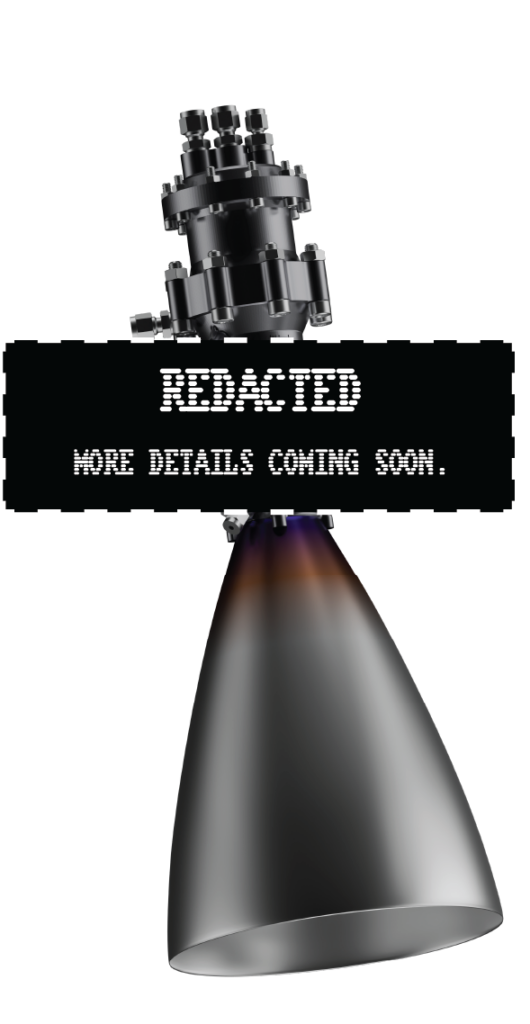
Compact rideshare-launched lunar lander delivering minimum 20 kg to lunar orbit, surface, or poles — launcher-agnostic, DODO HTP/RP-1 engine, targeting ~$550k/kg, first mission late 2028.
Key figurescomparable across the catalogue
- Mass
- 650 kg
- Payload capacity
- 20 kg
- Thrust
- 500 N
- Specific impulse
- 311 s
Normalised to common units so this product can be compared with others in its category. The supplier's own wording is below.
As published by the supplier
- Payload capacity
- 20 kg minimum
- Vehicle mass (fueled)
- ~650 kg
- Propulsion system
- DODO engine, electric pump-fed
- Propellants
- HTP (high-test peroxide) + RP-1 (kerosene)
- Thrust
- 500 N
- Chamber pressure
- 10 bar
- Specific impulse
- 311 seconds
- Delta-v capability
- ~6 km/s
- Transit time (LEO to Moon)
- ~4 months
- Lunar surface endurance
- ~14 Earth days (full lunar day)
- First mission target
- Late 2028
- Launch mode
- Rideshare, launcher-agnostic
- Destinations offered
- Lunar Orbit, Lunar Surface, Lunar Poles, Sample Return
About
Instinct Space’s core offering is an end-to-end lunar delivery service built around a compact, dishwasher-sized lander that is launcher-agnostic — it deploys as a standard rideshare payload to Low Earth Orbit on any commercial launch vehicle, rather than requiring a dedicated launch. This approach is central to the company’s cost strategy: by piggybacking on existing rideshare missions instead of buying dedicated launches, Instinct aims to dramatically increase mission cadence while cutting the cost of reaching the Moon.
The mission architecture is broken into three phases: Launch, Cruise, and Land. In the Launch phase, the lander rides to LEO alongside other satellites on a rideshare mission. In the Cruise phase, the vehicle transits from LEO to the Moon over roughly four months without staging or on-orbit refueling, using a delta-v capability of about 6 km/s. In the Land phase, the lander performs a soft landing and is designed to remain operational on the lunar surface throughout a full lunar day (approximately 14 Earth days).
The lander carries a minimum of 20 kg of payload and has a fully fueled mass of roughly 650 kg. Propulsion is provided by Instinct’s own DODO engine, an electric pump-fed system burning HTP (high-test peroxide) and RP-1 (kerosene), producing 500 N of thrust at a chamber pressure of 10 bar and a specific impulse of 311 seconds, supplemented by smaller attitude-control thrusters using the same propellants. The company targets a cost of roughly $550,000 per kilogram delivered to the lunar surface — about half the cost of existing providers.
Delivery destinations include Lunar Orbit, Lunar Surface, Lunar Poles, and Sample Return. Instinct is targeting its first lunar mission for late 2028 and has signed an agreement with Luxembourg-based Polimak Space to explore flying a regolith-handling ISRU payload on a future mission. The company was founded in 2024, graduated from Y Combinator’s Winter 2025 batch, and is backed by investors including Y Combinator, a16z, Nvidia, Calm, Maiora, and Rebel Fund.
Documentation
No public datasheet yet — request the datasheet / ICD from the supplier.