Space Object Radar Tracking Network
 LeoLabs
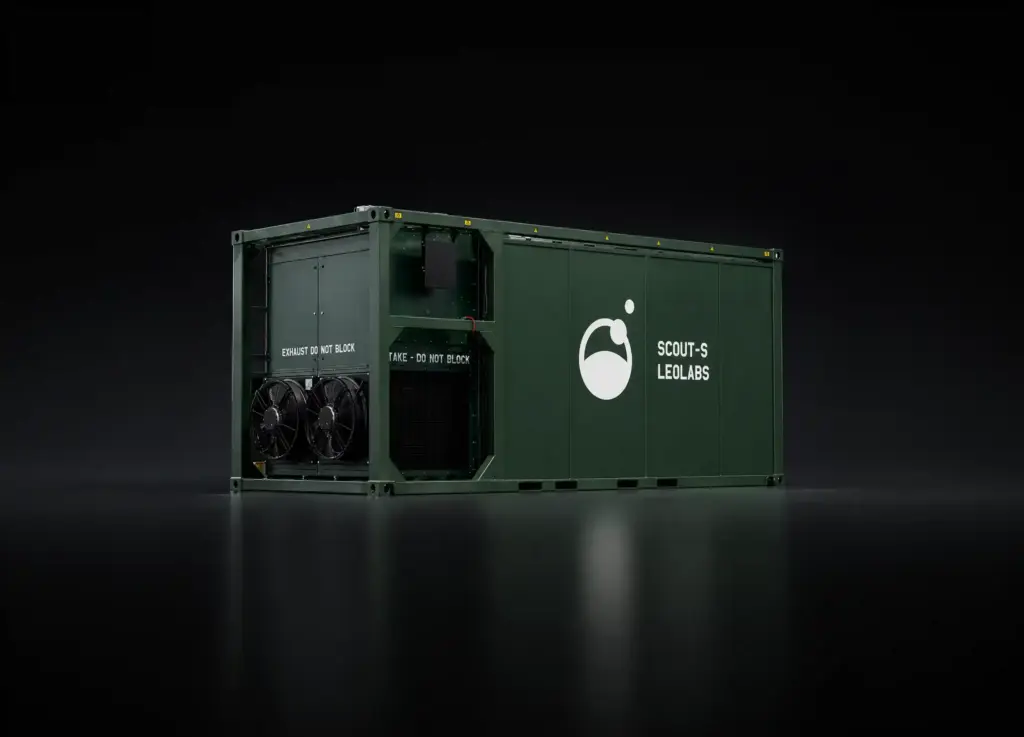
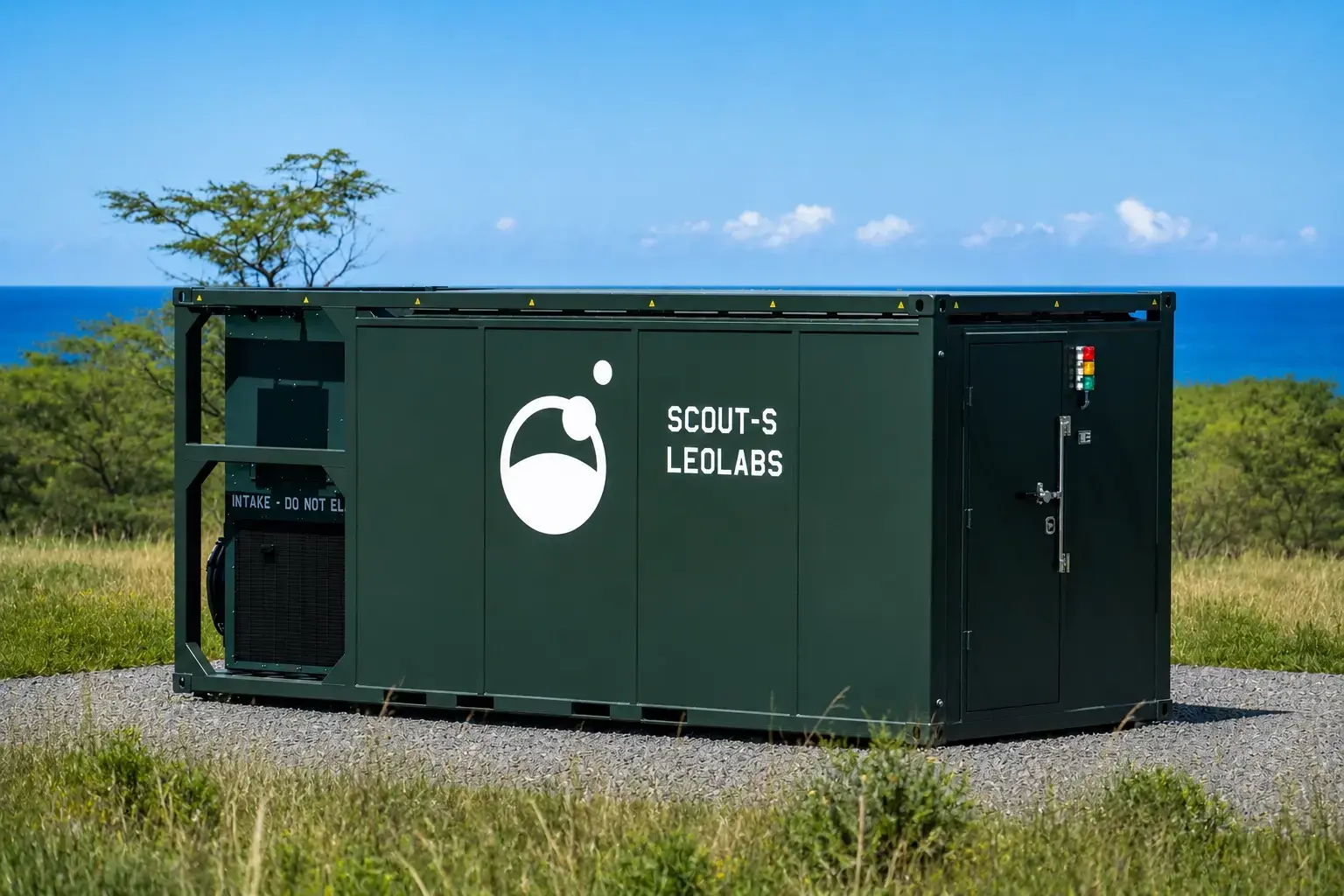
LeoLabs' global network of phased-array radars tracking 250,000+ space objects down to 2 cm size — providing conjunction analysis and collision avoidance data to satellite operators.
Technical specifications
- Minimum trackable object
- 2 cm (LEO)
- Objects tracked
- 250,000+ (commercial catalog)
- Radar sites
- Alaska, New Zealand, Costa Rica, Azores, Australia, Kenya
- Technology
- Phased-array radars (purpose-built for LEO tracking)
- Services
- Conjunction analysis, CDM generation, maneuver planning
- Customers
- Satellite operators, launch providers, insurers, government agencies
- Founded
- 2016, San Mateo, California, USA
About
LeoLabs operates a global network of phased-array radar sites purpose-built for space object tracking, capable of detecting and cataloging objects as small as 2 cm in LEO — smaller than most government radars can track. The network currently includes sites in Alaska (Poker Flat), New Zealand (Midland Tracking Station), Costa Rica, Azores (Portugal), Australia, and Kenya, providing continuous coverage of LEO from multiple viewing angles.
LeoLabs tracks 250,000+ objects in its commercial catalog, continuously updating orbits through fresh radar data and generating automated conjunction screening (close approach alerts) for satellite operators. When two tracked objects are predicted to come within a risk threshold, LeoLabs generates a CDM (Conjunction Data Message) and notifies the satellite operator with probability-of-collision estimates and recommended maneuver windows.
As LEO becomes increasingly congested with large constellations (Starlink, OneWeb, etc.), accurate conjunction screening becomes critical for both safety and regulatory compliance. LeoLabs sells its tracking data and conjunction analysis as a subscription service to satellite operators, launch providers, insurance companies, and government space agencies. The company was founded in 2016, is headquartered in San Mateo, California, and is backed by Airbus Ventures and others.
Documentation
No public datasheet yet — request the datasheet / ICD from the supplier.