Otter Spacecraft — In-Space Servicing
 Starfish Space
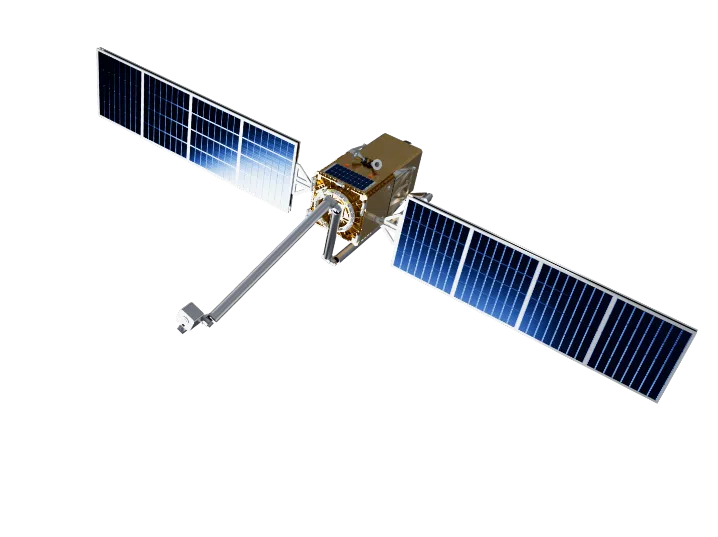
Starfish Space's Otter autonomous servicing spacecraft for rendezvous, capture, refueling, and life extension of GEO and LEO satellites.
Technical specifications
- Spacecraft
- Otter — autonomous rendezvous and servicing vehicle
- Autonomy system
- Cephalopod — machine vision + lidar for uncooperative targets
- Capabilities
- RPO, grapple/capture, refueling, attitude stabilization, re-orbit
- Target markets
- GEO life extension, LEO servicing, debris capture
- Contracts
- DARPA Orbital Prime, Space Force SDA
- Founded
- 2019, Kent, Washington, USA
About
Otter is Starfish Space’s autonomous in-space servicing spacecraft, designed to perform rendezvous and proximity operations (RPO), grapple and capture client satellites using a robotic docking system, and provide life extension services including refueling, attitude stabilization, and re-orbiting. Otter targets both GEO satellite life extension (a large commercial market as operators want to extend profitable GEO satellites past propellant exhaustion) and LEO servicing for government and commercial customers.
Starfish Space’s technical differentiator is its autonomy software — Cephalopod — which enables Otter to navigate to uncooperative tumbling targets without requiring active transponders or fiducial markers on the client satellite. This makes Otter applicable to debris capture (like Astroscale) as well as cooperative servicing. Cephalopod uses machine vision and lidar to map the target’s geometry and motion state in real-time.
Starfish Space, founded in 2019 in Kent, Washington, has received contracts from DARPA’s Orbital Prime program, Space Force (SDA), and commercial customers. The company has demonstrated proximity operations on the ISS using a SPHERES testbed and is targeting first Otter launch in the mid-2020s.
Documentation
No public datasheet yet — request the datasheet / ICD from the supplier.