Viewpoint imaging satellite
 SpaceFab.US, Inc.
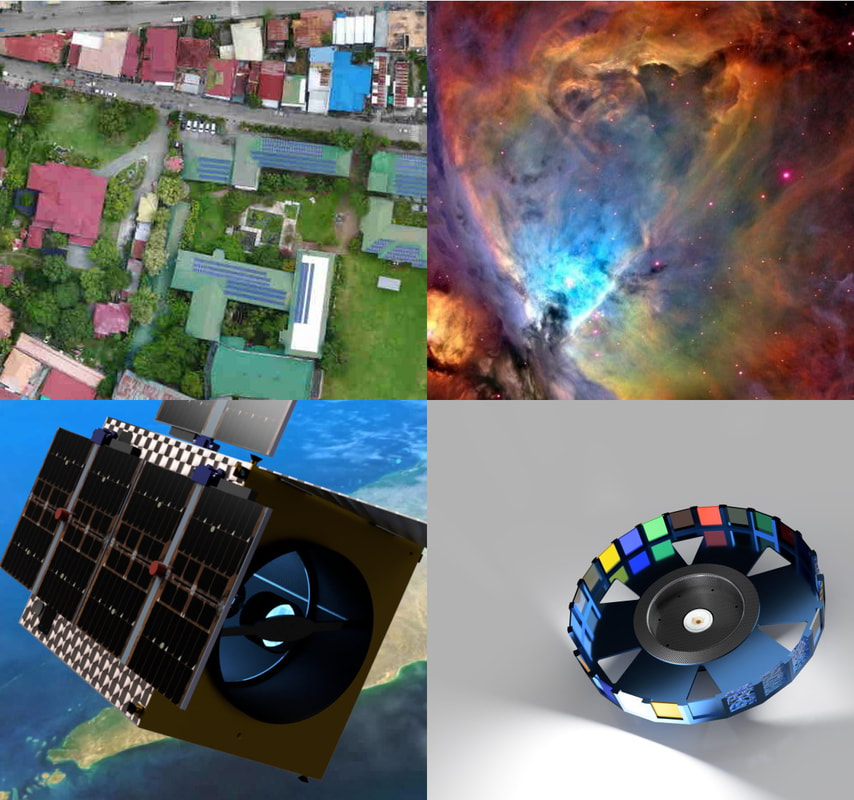
The Viewpoint imaging satellite is a 250 kg smallsat designed for multi-purpose Earth observation, Space Domain Awareness, and astronomy, featuring advanced optics and electric propulsion.
Key figurescomparable across the catalogue
- Mass
- 250 kg
- Design life
- 6 years
Normalised to common units so this product can be compared with others in its category. The supplier's own wording is below.
As published by the supplier
- Smallsat mass
- 250 kg
- Orbit
- 320 km
- Propulsion
- Electric propulsion
- Solar panels
- 300 W
- Design life
- 6 year
- Thermal control
- Passive cold plate
- Computer
- Multi-core computer with ECC DRAM and FPGA
- Storage
- Two 1 TB NVMe solid state drives
- Pixel bus
- 5 Gbps
- Communications radios
- Globalstar radios for command and telemetry
- Optical data transfer rate
- 100 Mb/s
- Momentum wheels
- 4
- Magnetic torquers
- 3
- Star cameras
- 3
- GNSS receiver
- GPS, Glonass, and Galileo
- Telescope type
- Modified Dall-Kirkham
- Primary mirror
- 20" (50 cm) Zerodur
- Visible/NIR monochrome camera
- 152 megapixel with stellar guide chips and sub-pixel imager nanopositioners, 0.17 arcsec IFOV
- Color camera
- 152 megapixel with on-chip Bayer pattern color filters, 0.17 arcsec IFOV
- Uv/visible/NIR high sensitivity camera
- 37 megapixel with stellar guide chips and sub-pixel imager nanopositioners, 250 nm to 900 nm, 0.54 arcsec IFOV
- Hyper-spectral imager
- 150 band (limited to 39 bands for the export version satellite), 470 nm to 900 nm
- Native GSD pan and multispectral
- 40 cm at 320 km orbital height
- Filter wheel
- 24 Position
About
The Viewpoint imaging satellite is currently under design, incorporating structural and optical components built using an omni-material 3D printer. This multi-purpose smallsat offers quick and easy image tasking, addressing various markets including Earth observation, Space Domain Awareness, and astronomy across its low Earth orbit. It features a 50-centimeter diameter primary mirror, advanced optics, and a low orbital height to provide a native resolution of 40 cm for both color and panchromatic Earth imaging. The satellite is equipped with electric propulsion, 300W solar panels, and a passive cold plate. Its computing system includes a multi-core computer with ECC DRAM and FPGA, two 1 TB NVMe solid-state drives, and a 5 Gbps pixel bus. Unique features include a space selfie screen and a solar panel camera. For communications, it utilizes Globalstar radios for command and telemetry, optical uplink and downlink with multiple passes per day, and optical error-corrected data transfers at 100 Mb/s, supported by custom optical ground stations. Aiming and stabilization are managed by 4 momentum wheels, 3 magnetic torquers, 3 Star cameras, and a GNSS receiver compatible with GPS, Glonass, and Galileo. The optical payload includes a Modified Dall-Kirkham telescope with a 20″ (50 cm) Zerodur primary mirror. Imaging capabilities consist of a 152-megapixel visible/NIR monochrome camera with stellar guide chips and sub-pixel imager nanopositioners (0.17 arcsec IFOV), a 152-megapixel camera with on-chip Bayer pattern color filters (0.17 arcsec IFOV), and a 37-megapixel UV/visible/NIR high sensitivity camera with stellar guide chips and sub-pixel imager nanopositioners (250nm to 900nm, 0.54 arcsec IFOV). It also features a 150-band hyper-spectral imager (limited to 39 bands for the export version) covering 470nm to 900nm, providing a native 40 cm GSD pan and multispectral at 320 km orbital height. A 24-position filter wheel is also included.
Documentation
No public datasheet yet — request the datasheet / ICD from the supplier.