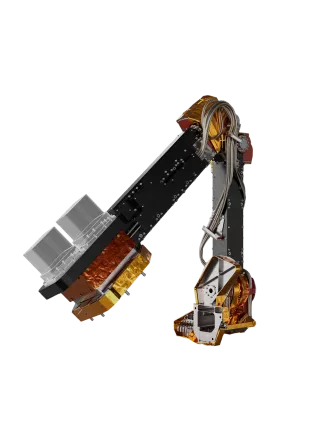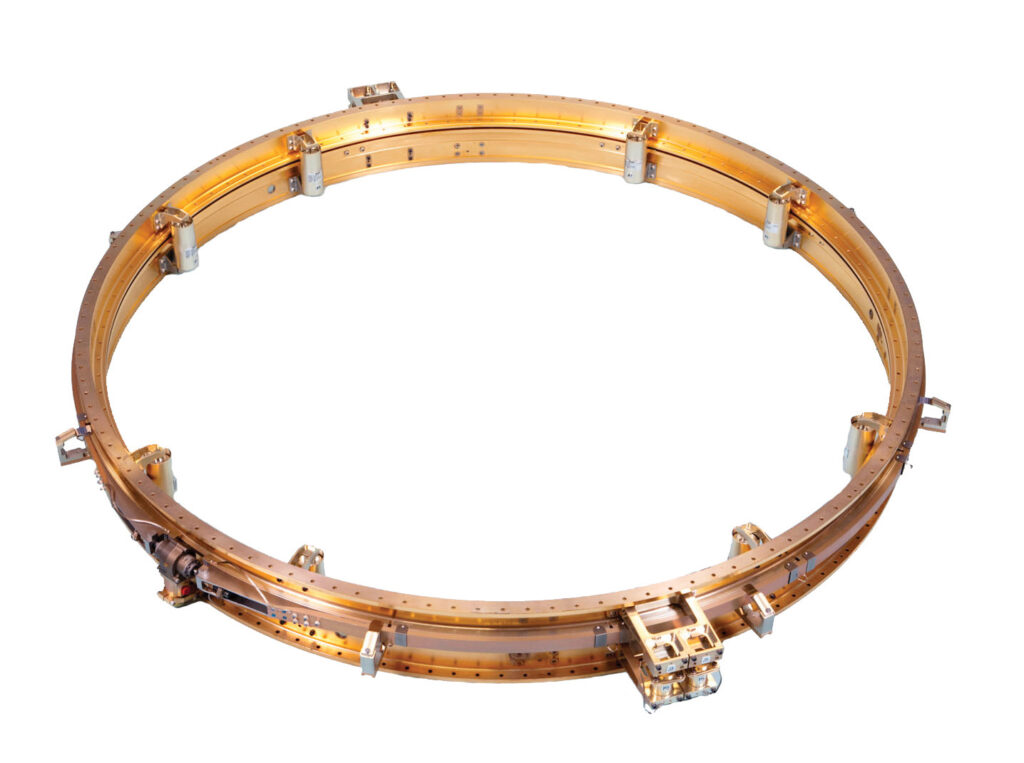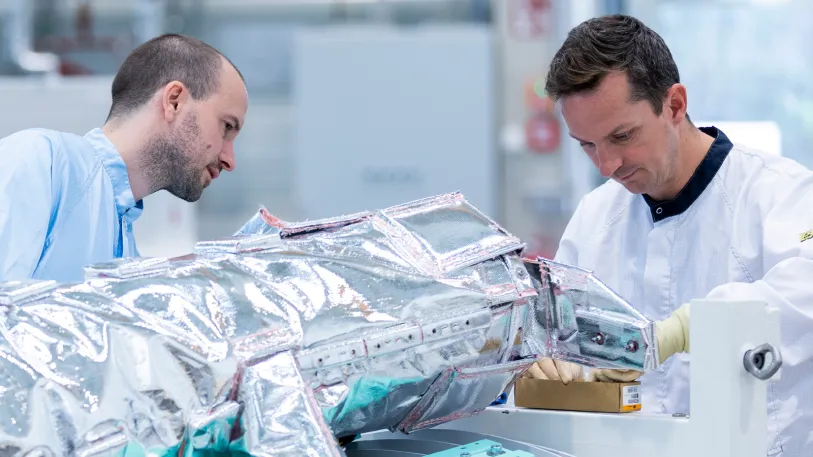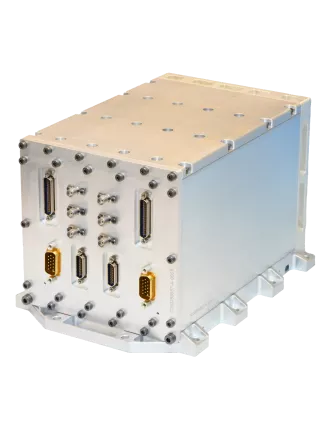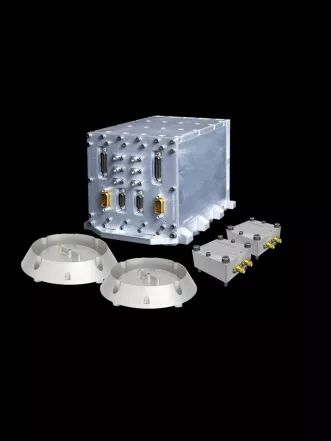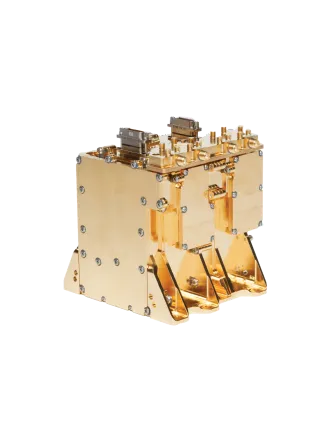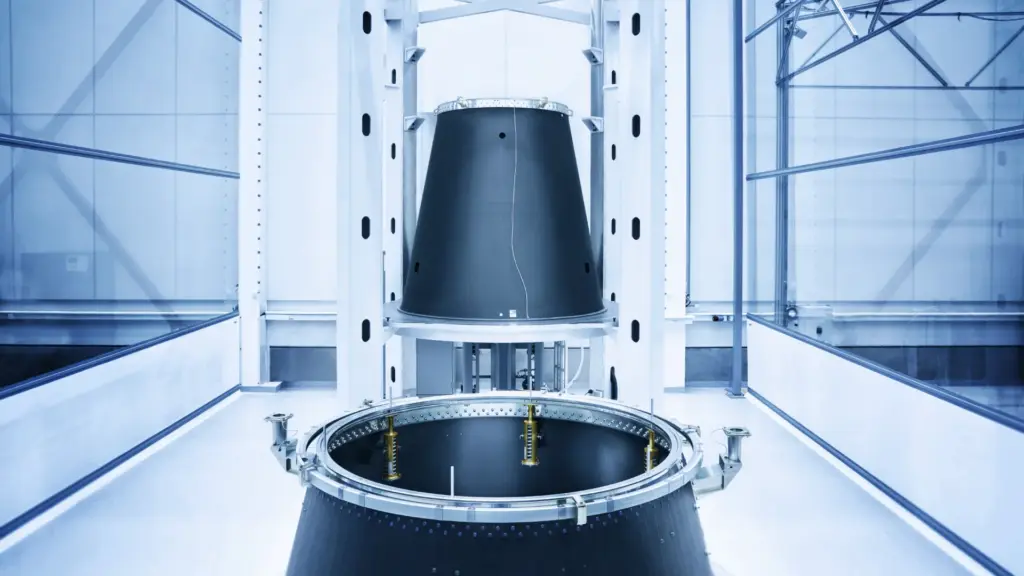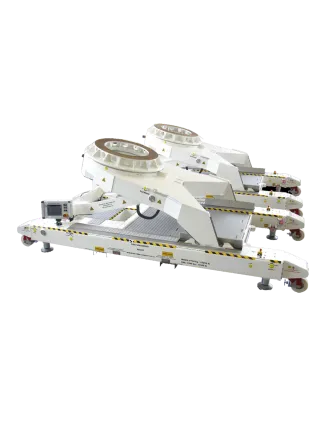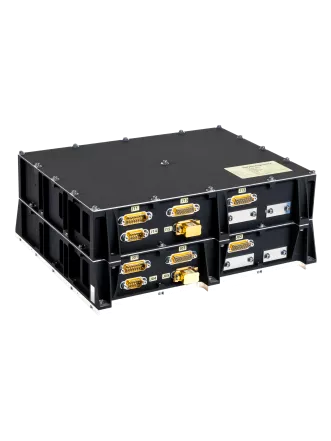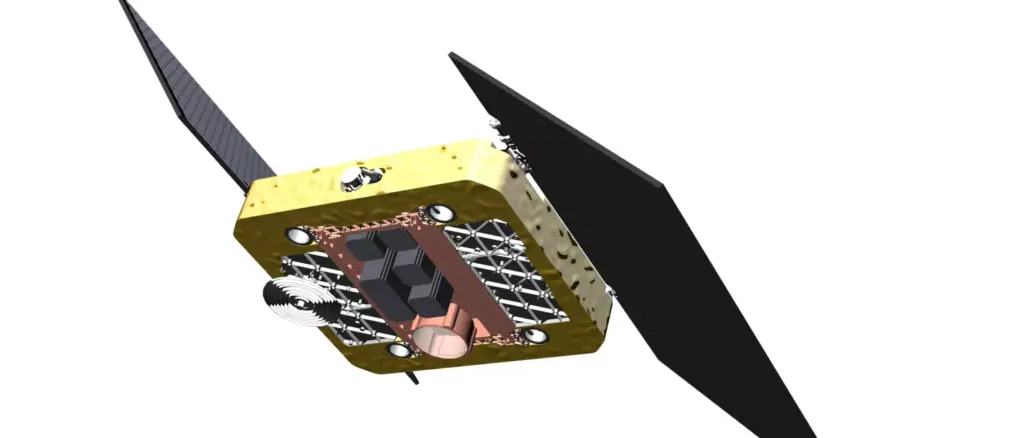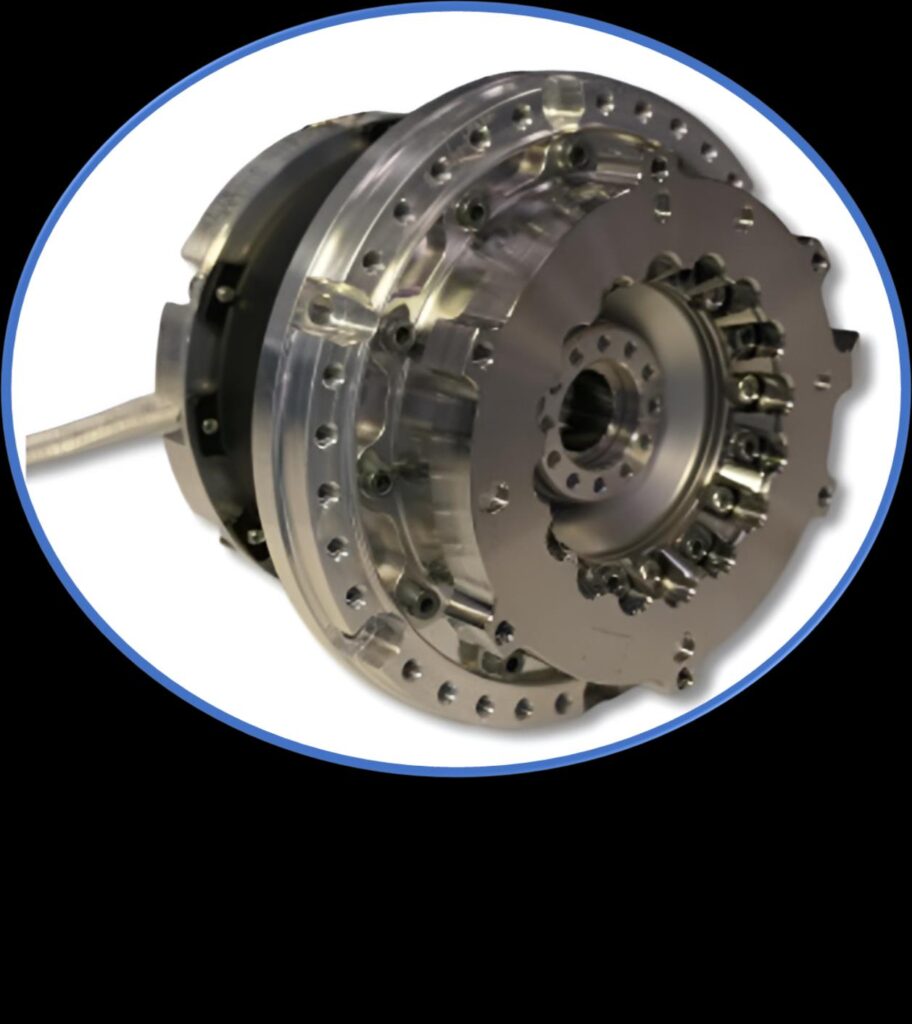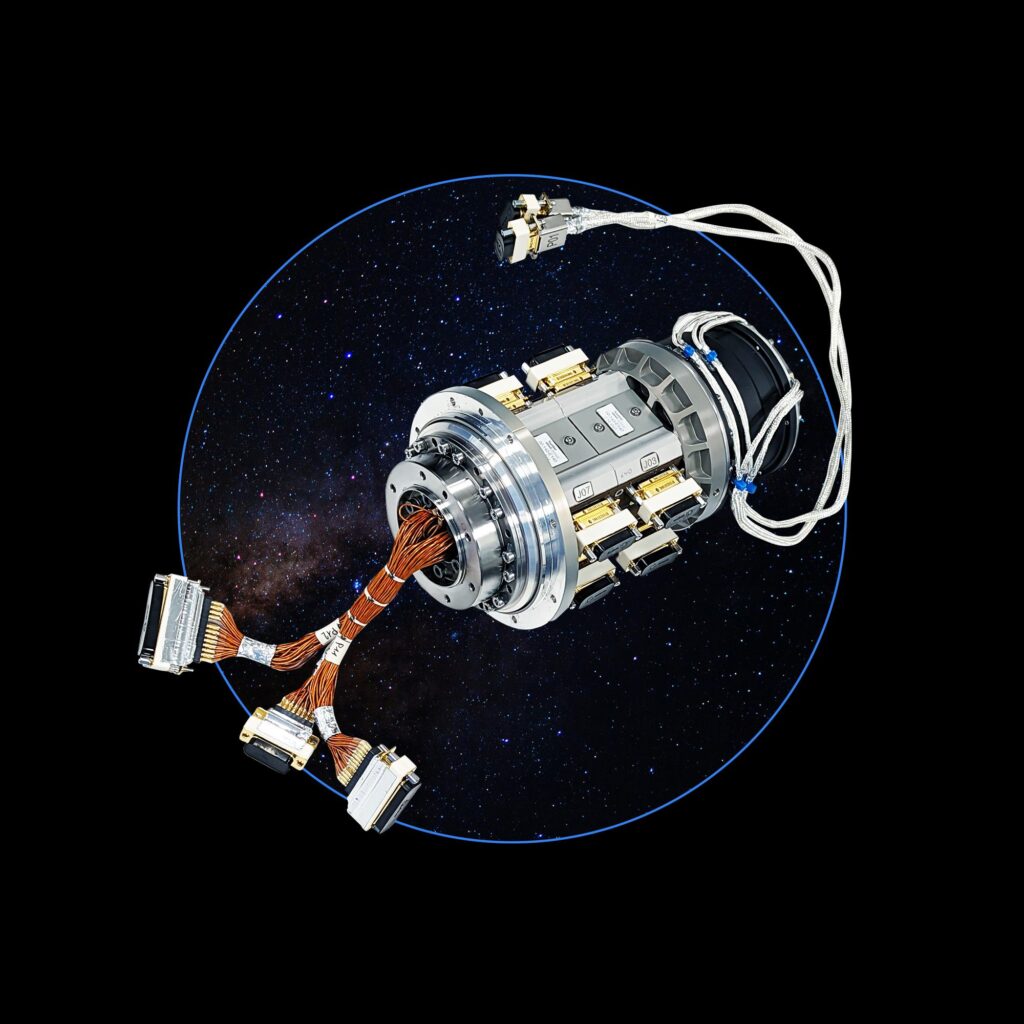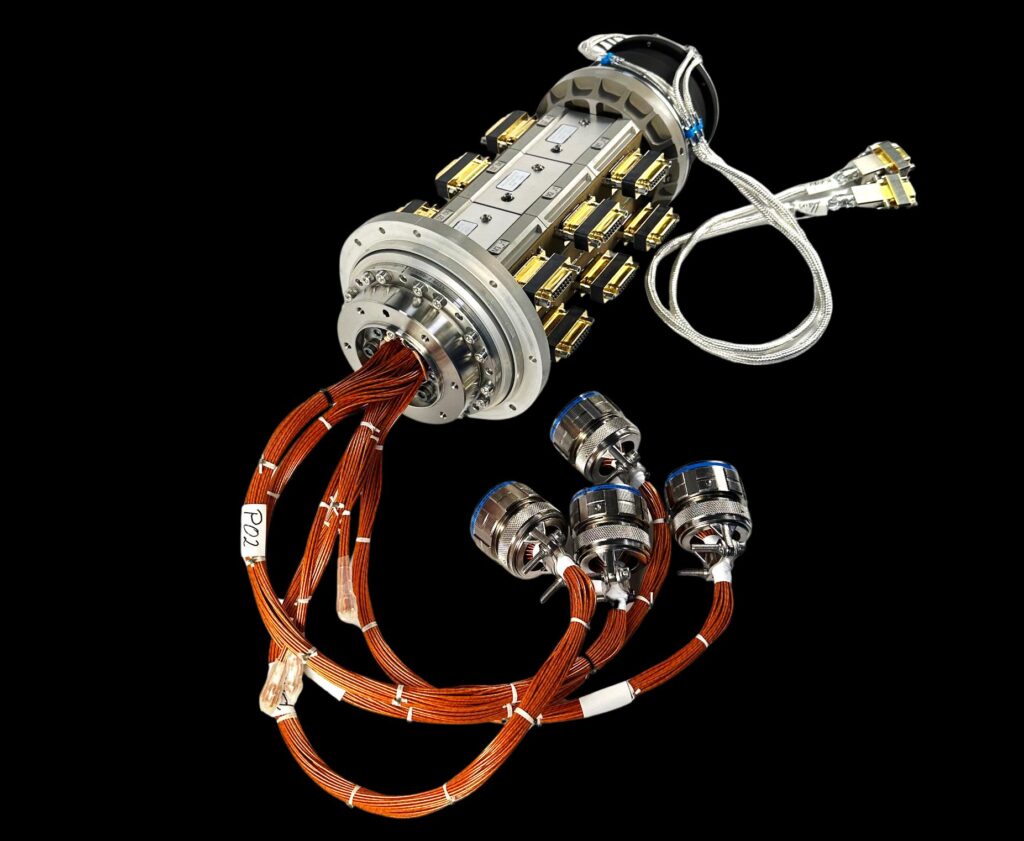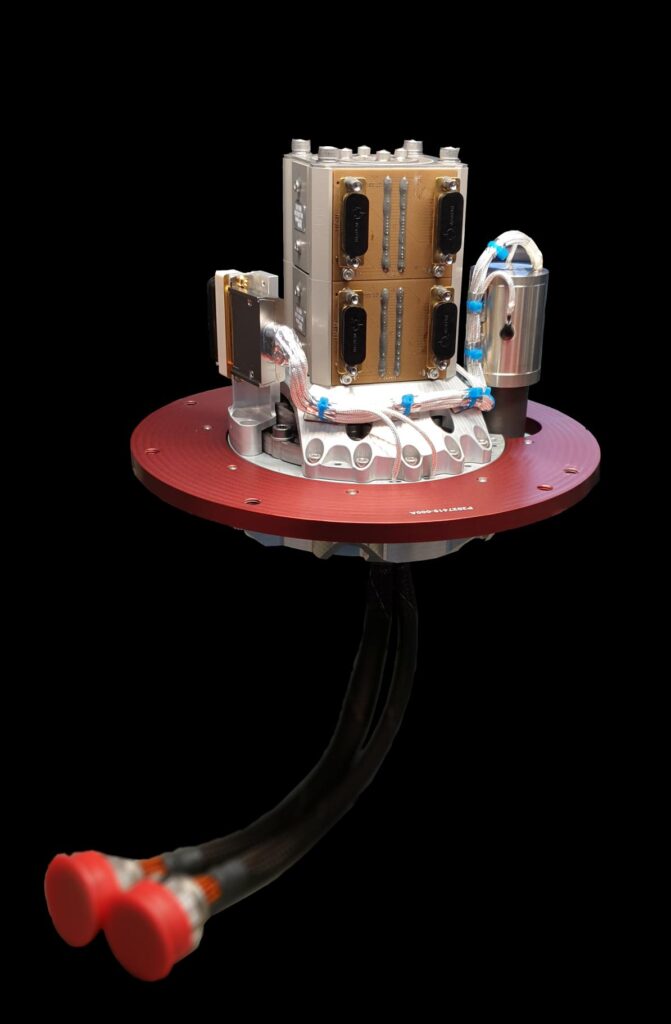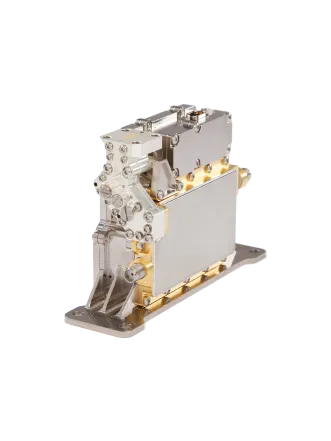
Low-cost, easy-to-integrate 2-axis thruster gimbal for electric propulsion, supporting 1 to 5 kW thrusters within a 15 degree pointing cone.
APPMAX2 Electric Propulsion Pointing Mechanism
Low-cost, easy-to-integrate 2-axis thruster gimbal for electric propulsion, supporting 1 to 5 kW thrusters within a 15 degree pointing cone.
Description
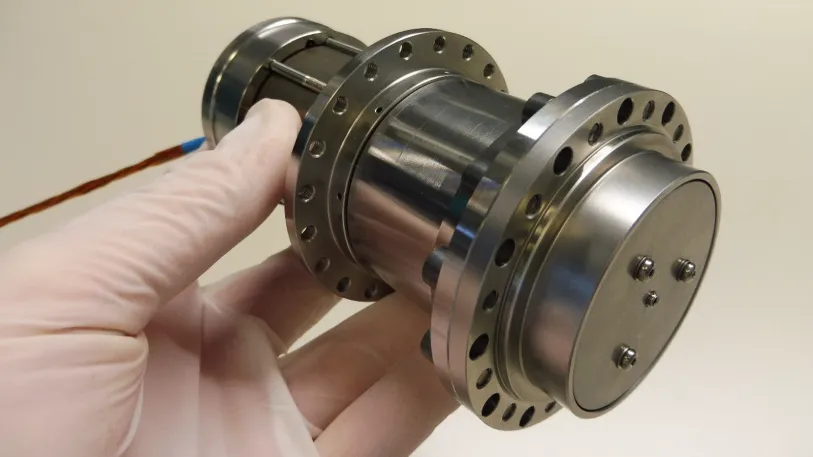
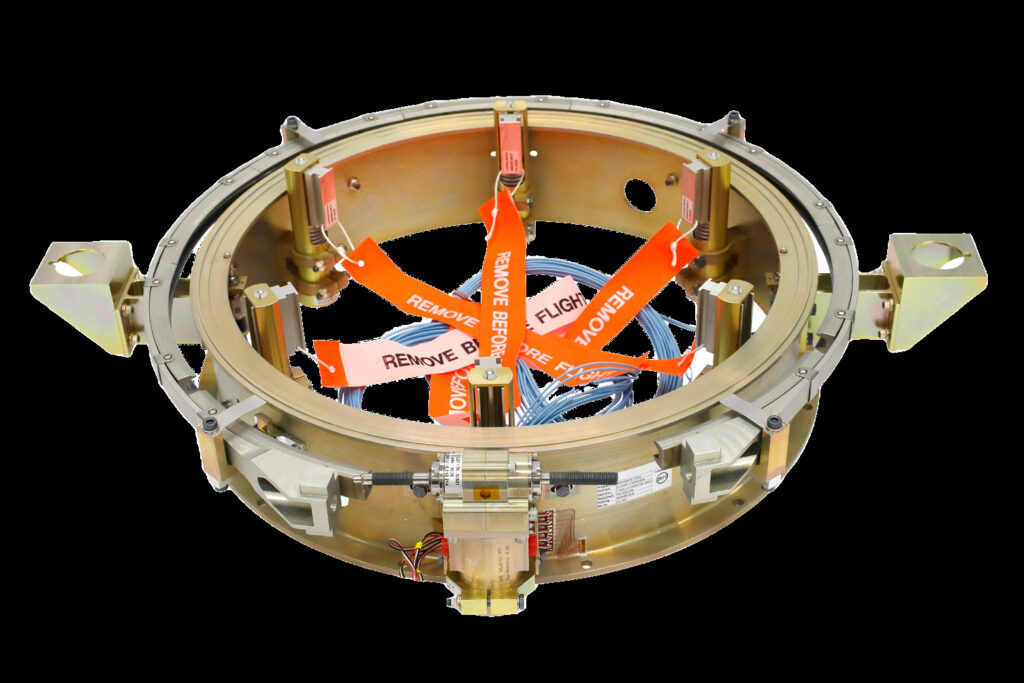
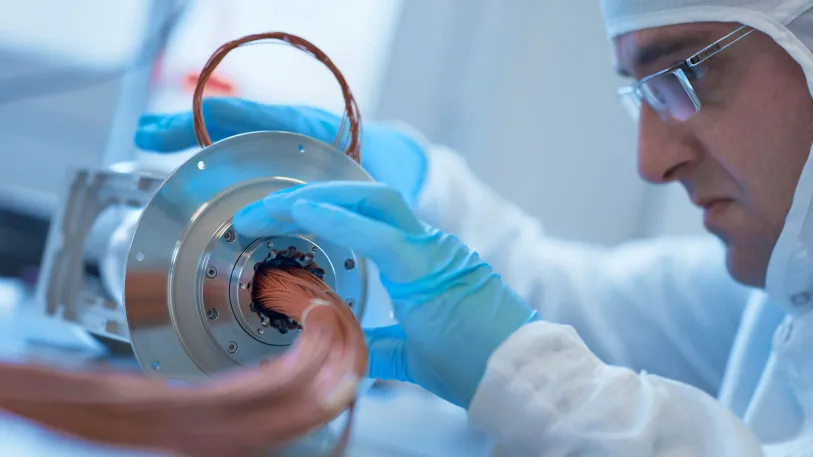
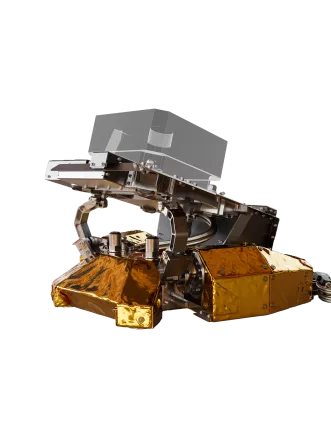
The Beyond Gravity APPMAX family is a series of low-cost, standardized, modular, and scalable 2-axis and 3-axis pointing mechanisms for electric satellite propulsion. The APPMAX family can accommodate a wide range of satellite thruster types and sizes, making it a versatile solution for a variety of spacecraft applications.
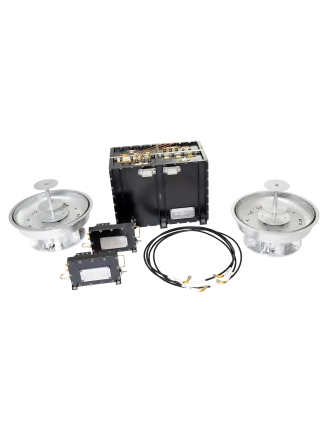
The APPMAX2 is a low-cost, easy-to-integrate pointing mechanism for a spacecraft's electric propulsion. It is designed for simple integration without zero gravity devices and easy scaling to support a wide range of thruster types and sizes, including thrusters of 1-5 kW. The APPMAX2 points in a 15 degree cone.
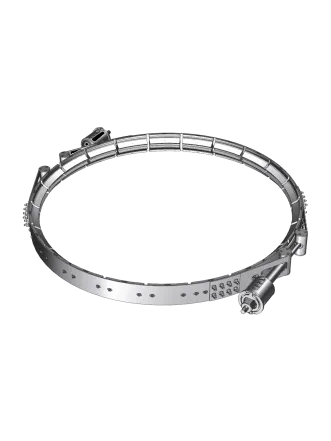
The APPMAX2-H (Heavy) variant is upscaled for a 50 kg thruster and equipped with a hold-down and release mechanism (HDRM). Beyond Gravity is also preparing the downscaled APPMAX2-S for future constellation satellite missions.
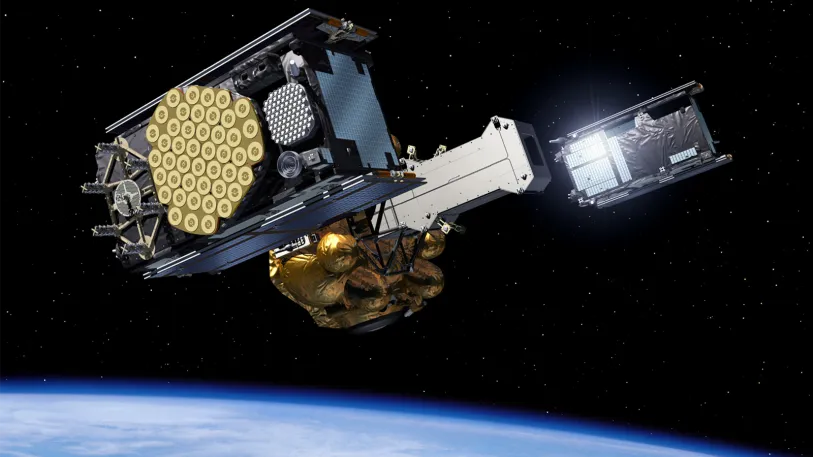
Applications of the APPMAX family include North/South and East/West station keeping, compensation of center of gravity shift, orbit raising and dropping, momentum wheel off-loading, graveyard de-orbit at spacecraft end of life, and interplanetary travel.
Specifications
| Axes | 2-axis pointing mechanism |
|---|---|
| Thruster power range | 1 to 5 kW |
| Pointing range | 15 degree cone |
| Integration | Simple integration without zero gravity devices |
| Variants | APPMAX2-H (50 kg thruster, with hold-down and release mechanism), APPMAX2-S (downscaled, in preparation) |
| Thruster types supported | Hall effect and ion thrusters |
| Repeatability | better than 0.1° |
| Thruster Mass | 8-15 kg |
| Mass | 13.8 kg |
| Stiffness stowed | 110 Hz |
| Stiffness stowed, with opt. Damping | 80 Hz |
| Stepper Motor Phase Resistance at 20°C | 82 Ω |