About Dauria Aerospace
Dauria Aerospace was one of Russia's first private commercial space companies, founded around 2011-2012 by entrepreneur Mikhail Kokorich, who redirected proceeds from his retail businesses (Technosila, Uyuterra) into satellite manufacturing after years of investing in space-sector stocks and small companies. The company set out to build small, low-cost, industrial-grade-electronics satellites (50-300 kg class) as a cheaper, faster alternative to traditional multi-ton Russian spacecraft, explicitly modeling itself on Western small-satellite pioneers such as the UK's SSTL. Development and assembly centers were established at the Skolkovo technopark in Moscow, with an affiliated nanosatellite unit (Canopus Systems US) opened near NASA Ames in Mountain View, California, in partnership with a JPL alumnus.
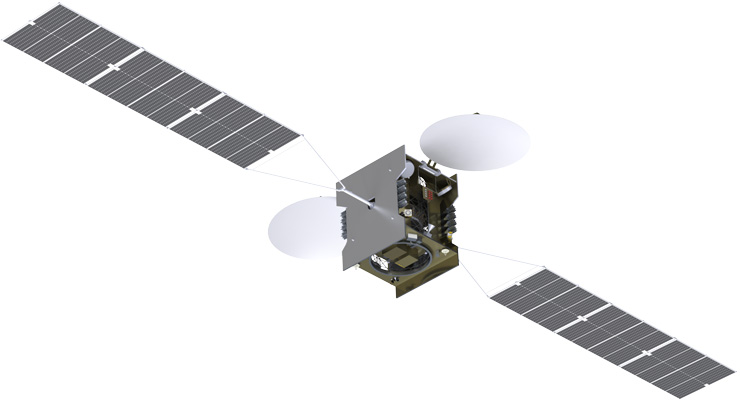
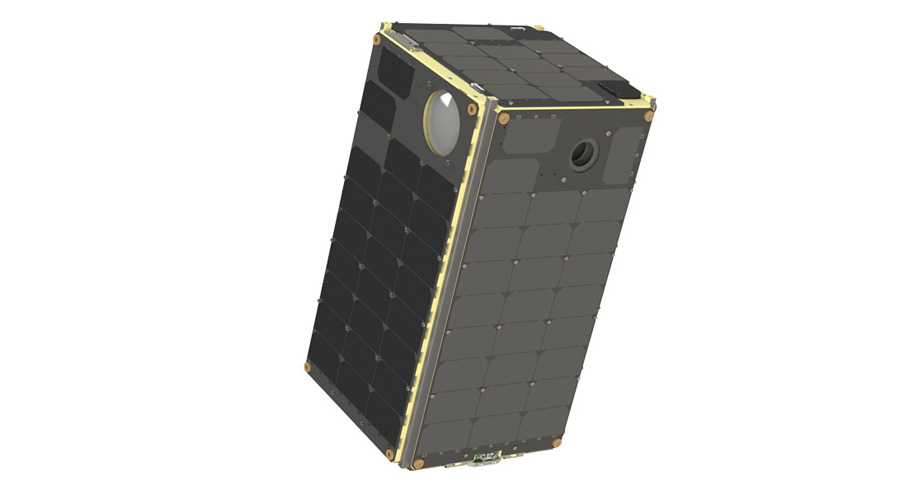
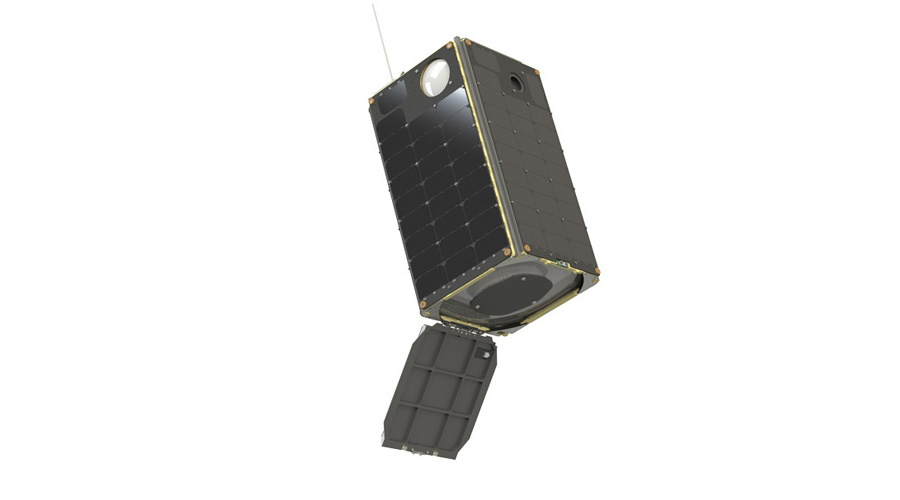
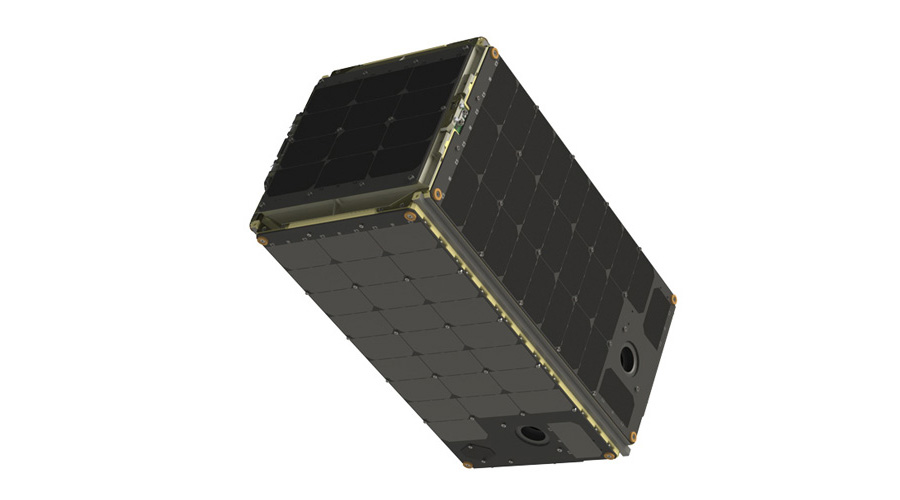
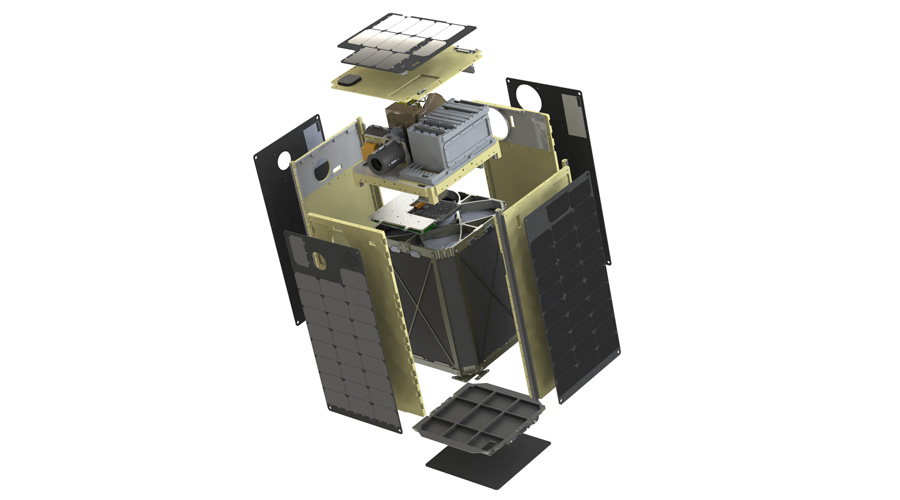
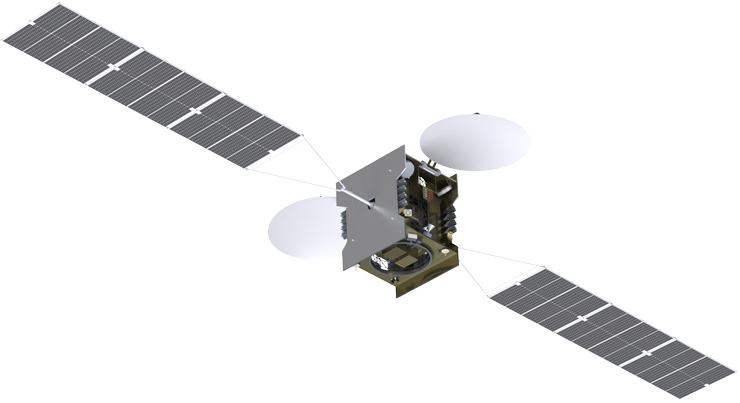
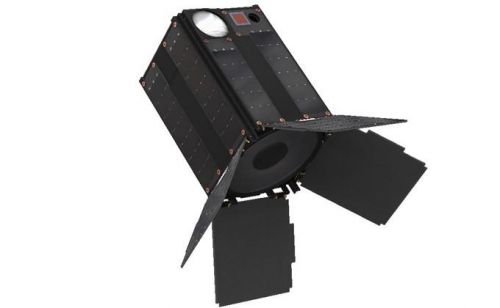
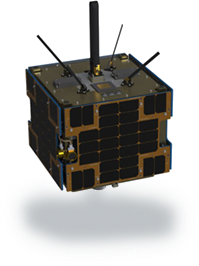
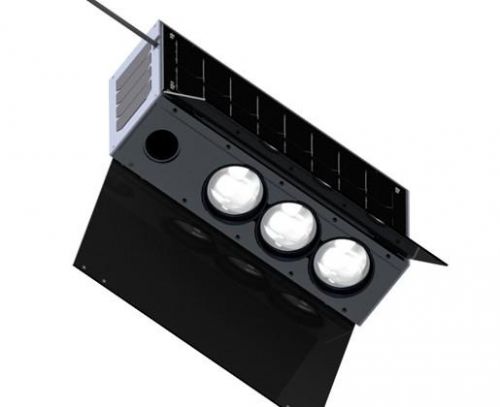
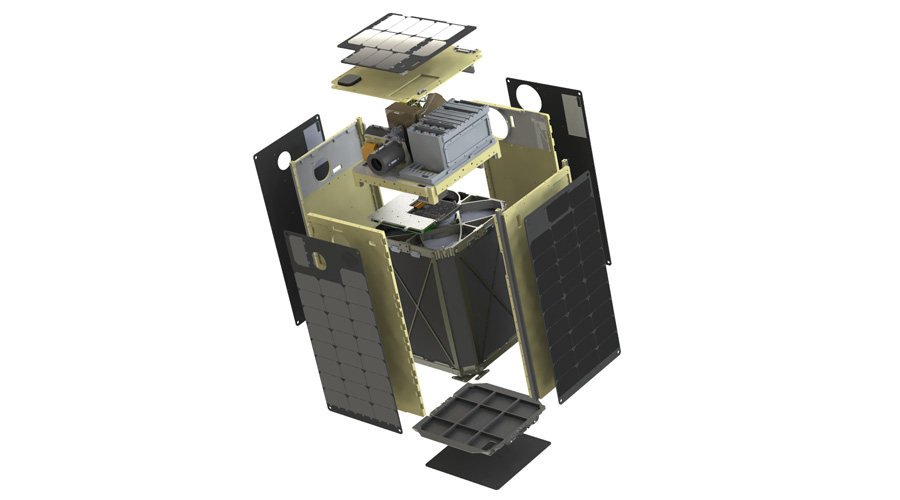
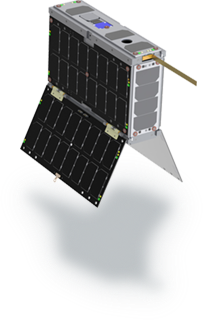
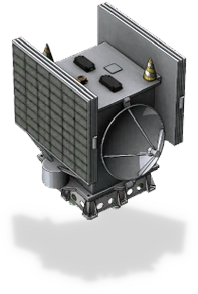
Dauria designed and manufactured several in-house satellite platforms and spacecraft, including the DX microsatellite bus (flight-proven on DX1, launched July 2014 on a Soyuz-2-1B/Fregat rideshare with Meteor-M2), the Perseus CubeSat-6U platform (two Perseus-M Earth-observation/AIS satellites flew and were later sold to US-based Aquila Space in late 2015), the MKA-N nanosatellite pair built under a Roscosmos state contract for low-cost CubeSat-format Earth observation, the Auriga high-resolution optical imaging microsatellite (co-funded by the Skolkovo Foundation and VEB Innovations), the small geostationary ATOM bus for telecom payloads (basis for the NexStar-1/2 satellites ordered by Indian operator Aniara Communications), and the planned Pyxis constellation of Molniya-orbit satellites intended to deliver internet connectivity to polar and high-latitude regions.
The company positioned itself not just as a satellite builder but as an aspiring space-data and satellite-services operator, and drew significant press coverage (Forbes, Vedomosti, Kommersant, SpaceNews, Wall Street Journal) as Russia's first major private space venture. It later went through a complicated corporate history, including restructuring/bankruptcy of the original Russian entity around 2018-2020.
Note: the company's historical website (dauria.ru) is no longer under the company's control — as of 2026 the domain has been repurposed to host unrelated third-party (online gambling) content. This profile was reconstructed from Wayback Machine snapshots of the legitimate site (content largely dated 2013-2017) since no current, authentic web presence could be verified.
Milestones
-
2011 Founded by entrepreneur Mikhail Kokorich as Russia's first major private commercial space company, reinvesting retail-business proceeds into satellite development.
-
2012 NPP Dauria subsidiary signs a Roscosmos state contract to develop the MKA-N nanosatellite pair (CubeSat-format Earth observation).
-
2014 First in-house satellite, DX1 (DX platform technology demonstrator / AIS receiver), launched July 8, 2014 as a rideshare with Meteor-M2 on a Soyuz-2-1B/Fregat from Baikonur.
-
2014 Signs agreement with Indian telecom operator Aniara Communications Pvt. Ltd. to build two NexStar geostationary satellites on the ATOM small-GEO platform.
-
2014 Skolkovo Foundation backs the Auriga Earth-observation satellite project with 150 million rubles in funding; Dauria contributes a further 160 million rubles.
-
2015 VEB Innovations invests 60 million rubles into the Auriga satellite project.
-
2015 Two Perseus-M CubeSat-6U Earth-observation/AIS satellites complete flight testing and are sold to US company Aquila Space.
-
2015 MKA-N nanosatellites complete testing and are prepared for delivery to the Roscosmos customer.