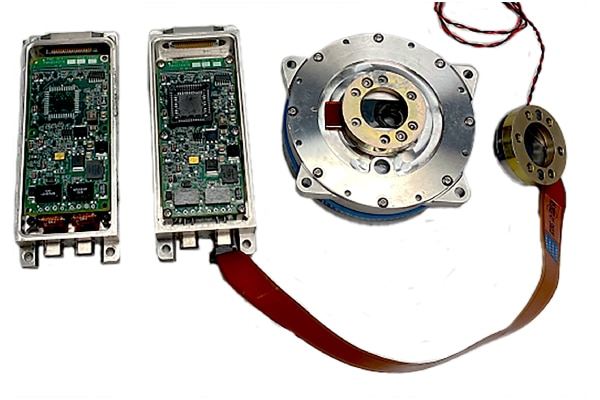
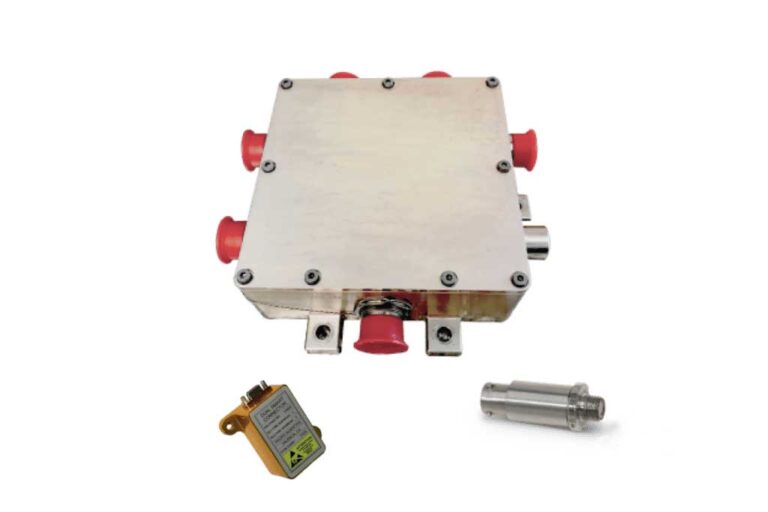
The Satellite Payload Release & Sequencing System (PRSS) is a robust and highly reliable system designed for the precise deployment and sequencing of satellites. It ensures secure retention of satellites from launch until their exact release into orbit, boasting a 100% success rate over 1000 satellite payload release separations. The system's modular components offer compatibility with a wide range of dispensers, launchers, and satellites. It has a proven flight heritage, including the successful deployment of 34 satellites into Low Earth Orbit (LEO) on March 21, 2020, and has successfully sequenced 4,000 on-orbit events to deploy 500 satellites to date. The PRSS technology, branded as Smart Energetic Architecture (SEA) for aerospace applications, originated from automotive airbag sequencing technology acquired in 2001.
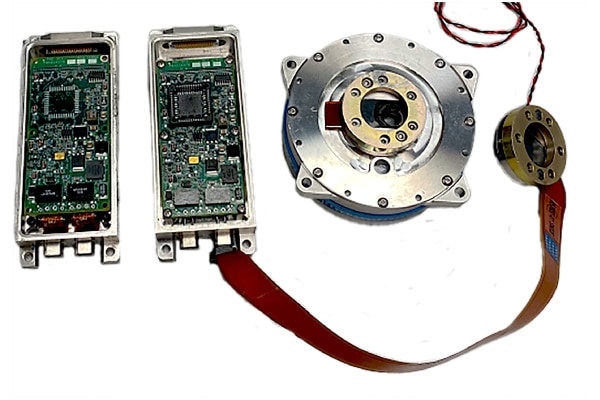
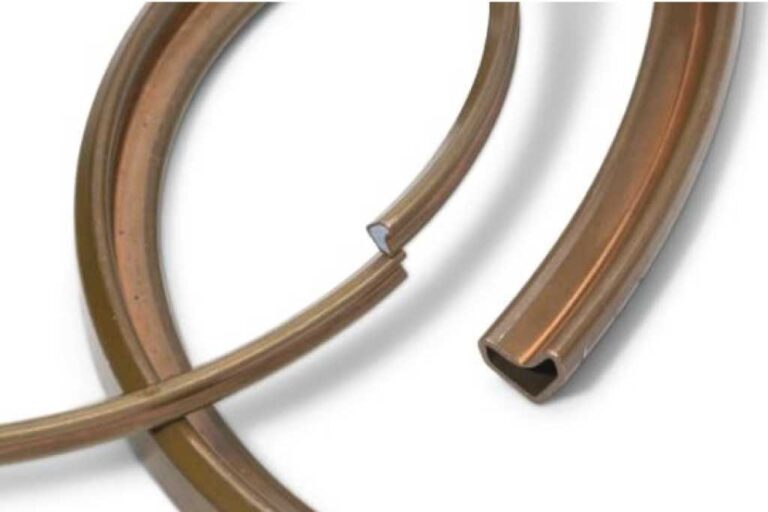
Key features include high configurability, allowing for single, multiple simultaneous, or sequential device releases. It operates with low power consumption, with devices wired in parallel to prevent current surges during firing and short, low-inductance firing circuit conductors. The system has a low component count and a hermetic design, with firing energy not present during built-in-test. It offers a multi-satellite release solution with integrated mechanical and electrical systems, a parallel bus for minimized harness mass, and configurable mounting options for flexibility, smaller footprint, and reduced weight/wiring. The PRSS provides high reliability and precise timing, preventing satellite tip-off, and features a flexible and scalable architecture capable of commanding many individual separation events (demonstrated up to 384 events on one vehicle). It offers real-time status/arming/firing feedback via a bi-directional network bus architecture over various serial communication options (e.g., RS422) and can command a mix of pyro devices, motorized lightbands, and non-explosive actuators. The system is very low power, with the ability to sleep and no power draw, demonstrating mission durations from hours to months.
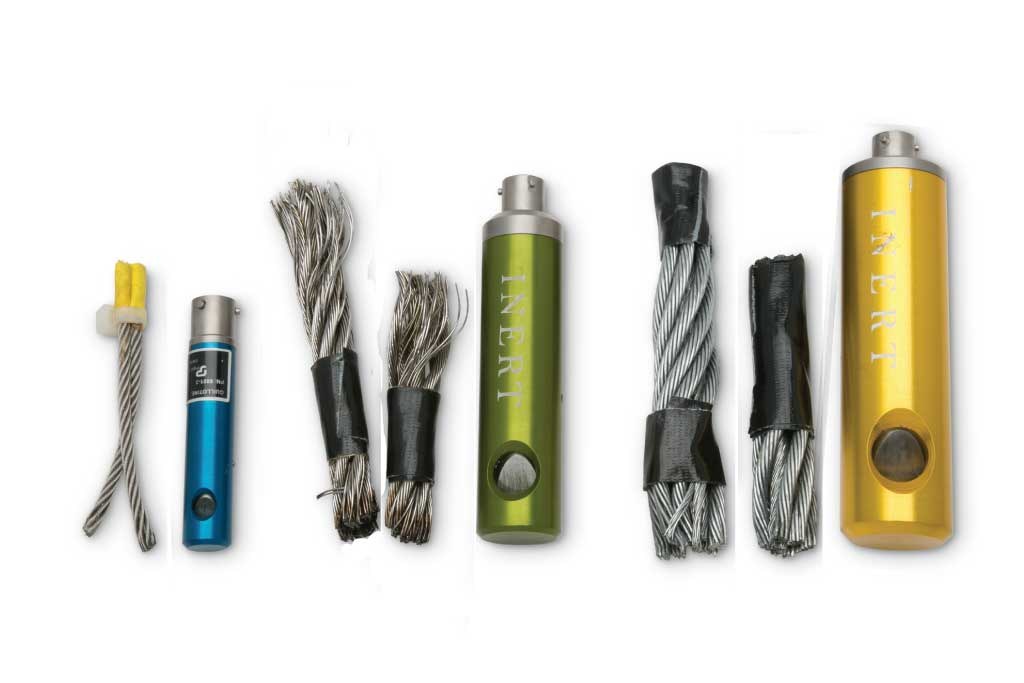
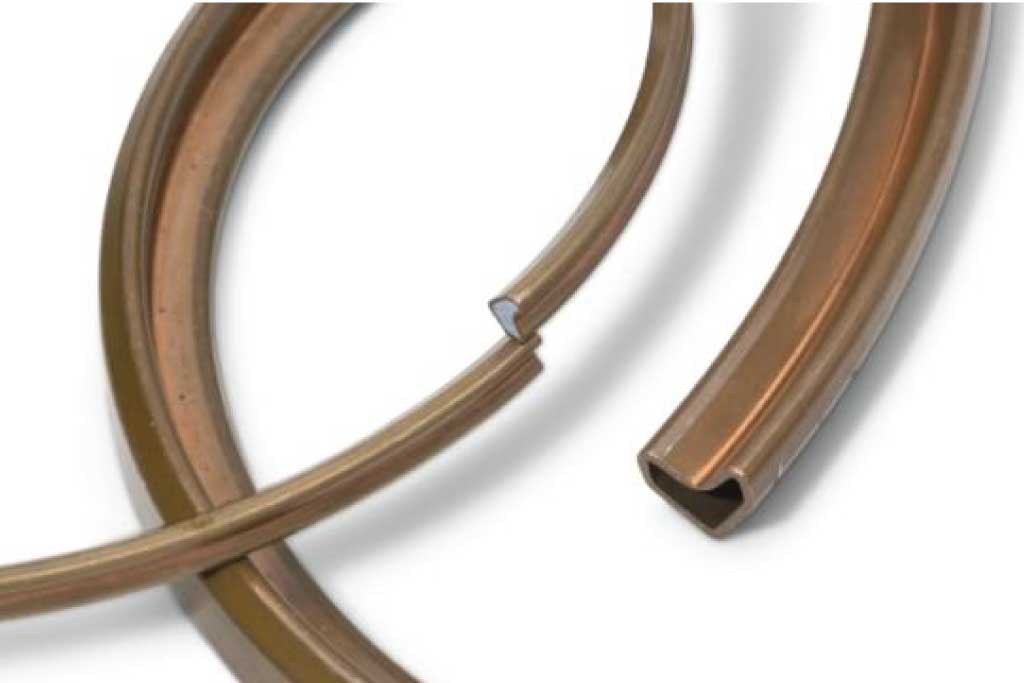
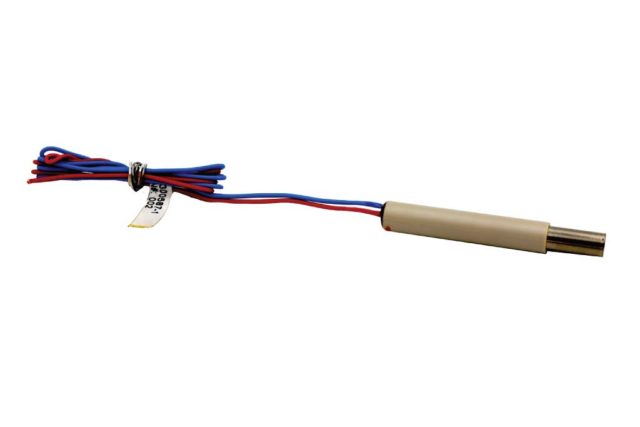
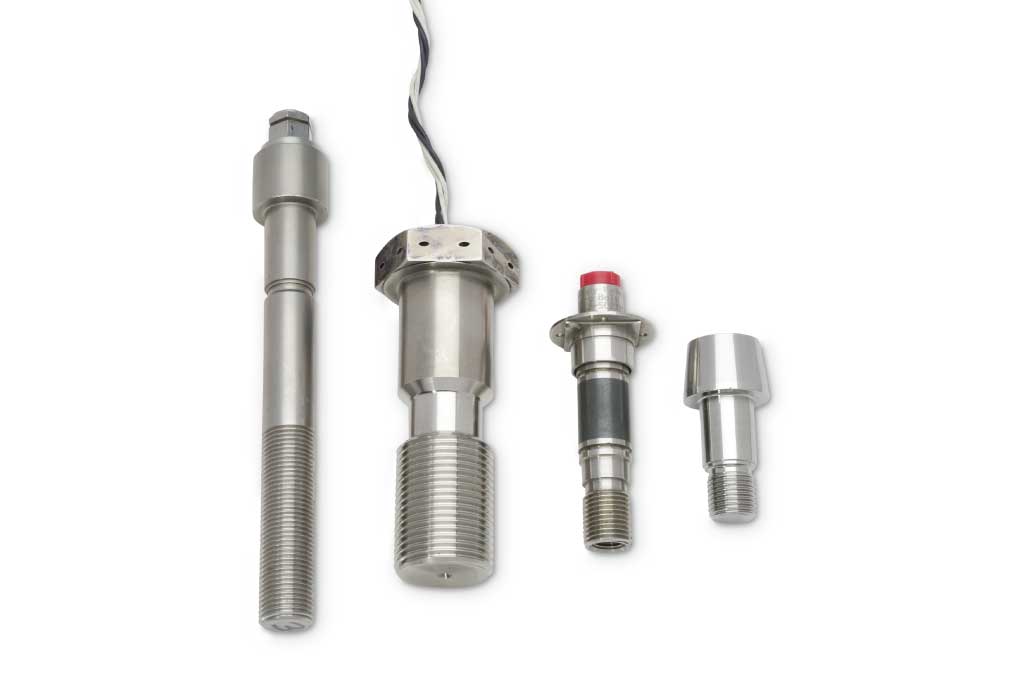
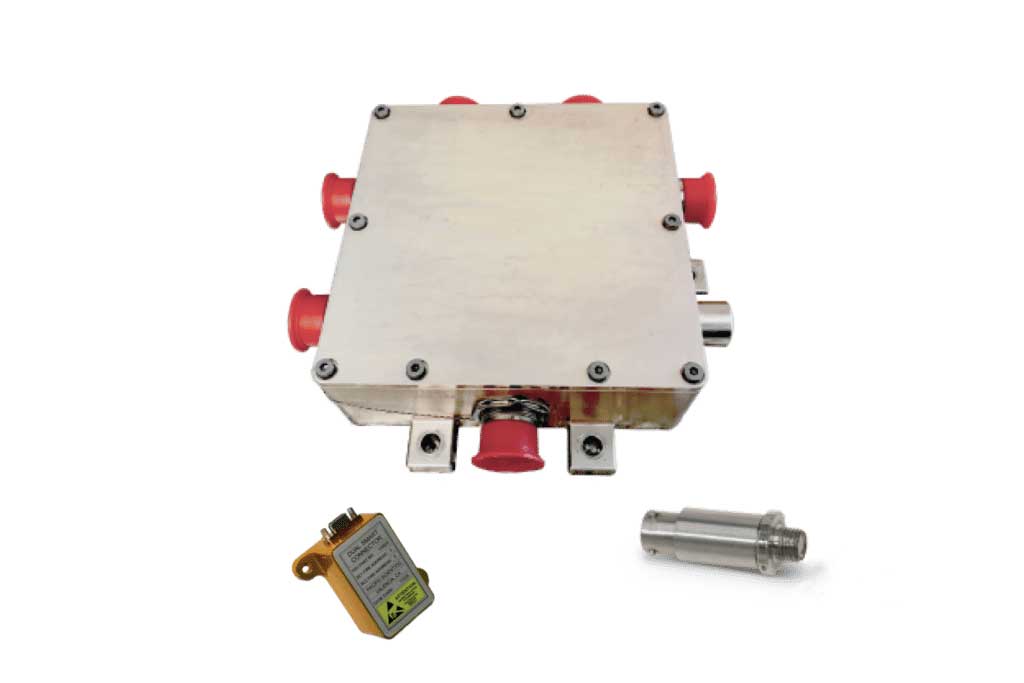
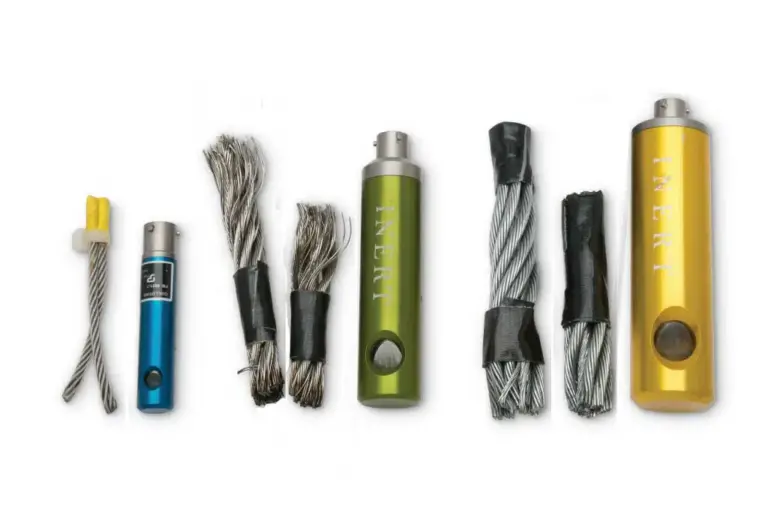
Benefits include improved margins on the system’s electrical power budget, significantly reduced cable weight, reduced EMI emissions and power requirements, and no ground loop current during firing. It features built-in-test with feedback, easy integration into existing flight computers, and allows different types of release systems to be freely intermixed. The PRSS meets environmental requirements and facilitates easy mission expansion. It is adaptable to both non-explosive and pyrotechnic devices, including smart connectors, smart initiators, cutters, separation nuts, space standard initiators, and detonators, configured and tailored to mission-specific requirements. The system is designed for space environments, including radiation, thermal, vacuum, shock, and vibration.