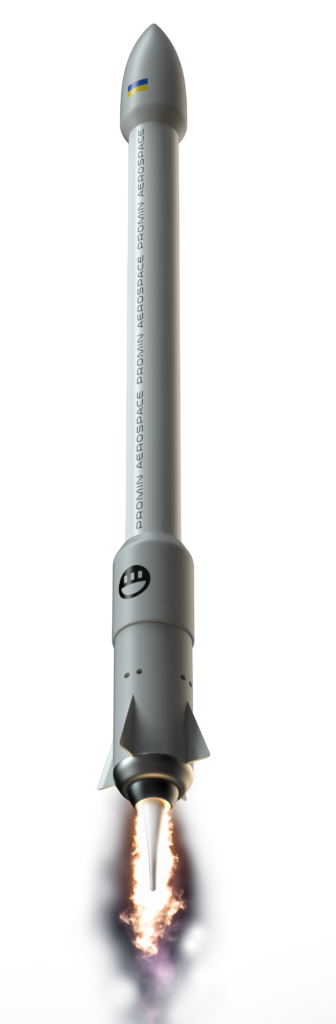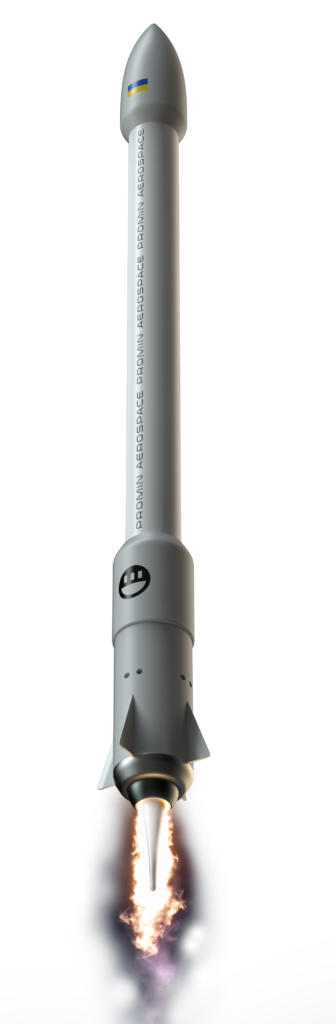


Promin Aerospace's Prometheus-1 — a Ukrainian-developed liquid propellant rocket engine for small orbital launch vehicles and sounding rockets.
Prometheus-1 Small Liquid Rocket Engine
Promin Aerospace's Prometheus-1 — a Ukrainian-developed liquid propellant rocket engine for small orbital launch vehicles and sounding rockets.
Description
Promin Aerospace is a Ukrainian aerospace company developing liquid propellant rocket engines and launch vehicles for the small satellite market, building on Ukraine's strong rocket propulsion engineering heritage from enterprises like Yuzhnoye Design Office (SDO Yuzhnoye) and Yuzhmash. Ukraine has been a significant manufacturer of rocket engines and space launch vehicles since the Soviet era, and Promin Aerospace represents a new generation of Ukrainian private space companies.
The company's Prometheus-1 engine is designed for small orbital launch vehicles and upper-stage applications, burning conventional liquid propellants (LOX/kerosene or similar Earth-storable propellants). Promin Aerospace has positioned itself to serve the growing European and international small launch market, potentially working within Western European space programs given Ukraine's EU candidate status and defense technology cooperation agreements since 2022.
Promin Aerospace is part of Ukraine's growing private space sector, which has accelerated since Ukraine's 2021 law opening the space industry to private enterprise. The company's deep engineering expertise from Ukraine's established space industry — including RD-843 engine heritage and Cyclone/Zenit rocket engineering — provides a foundation for competitive modern small engine development.
Specifications
| Engine type | Liquid propellant rocket engine (small class) |
|---|---|
| Propellants | LOX/Kerosene or Earth-storable bipropellants |
| Application | Small orbital launch vehicles, upper stages, sounding rockets |
| Flight heritage | Ukrainian rocket propulsion engineering (SDO Yuzhnoye, Yuzhmash lineage) |
| Company | Promin Aerospace, Ukraine (private, post-2021 space law) |