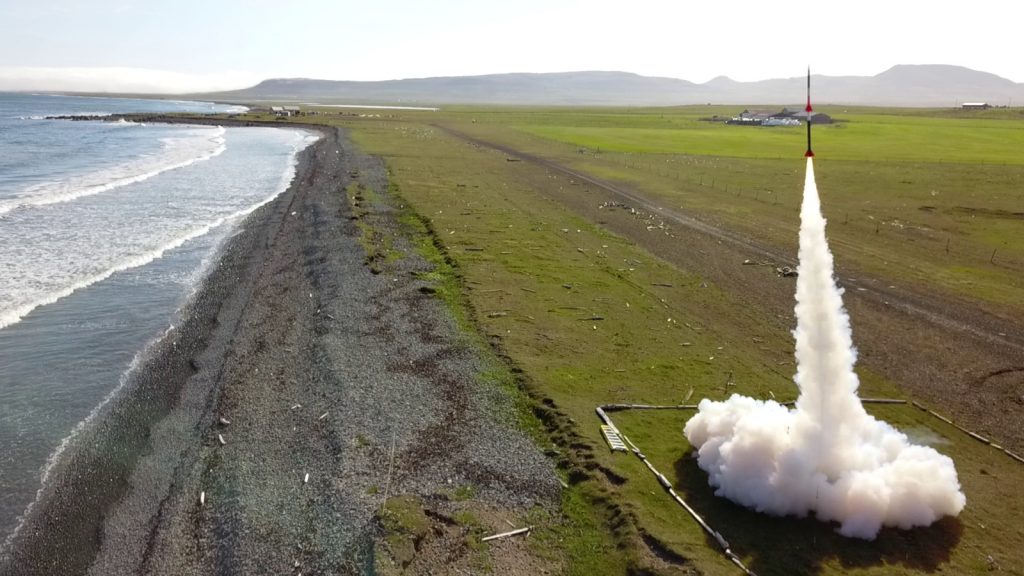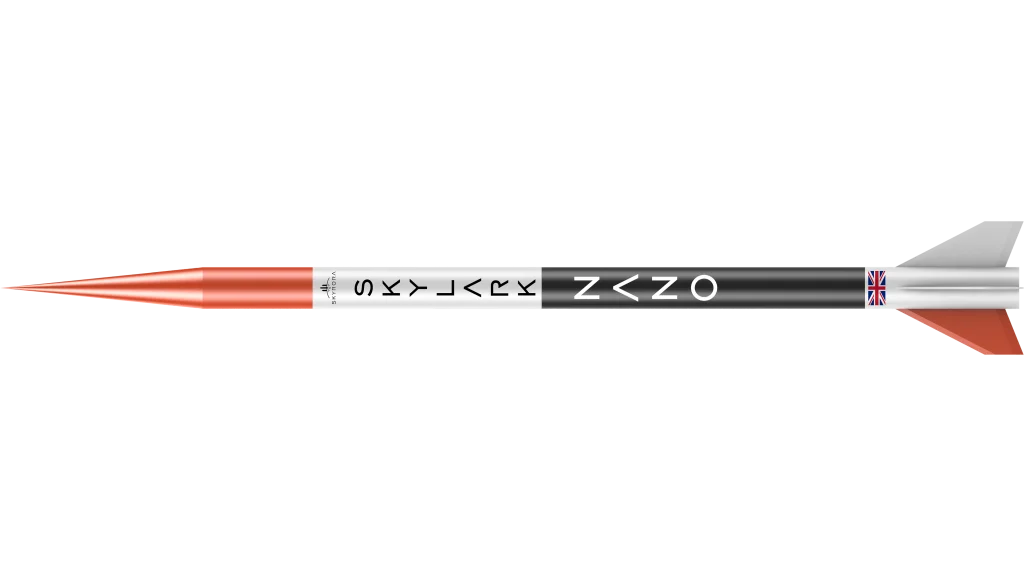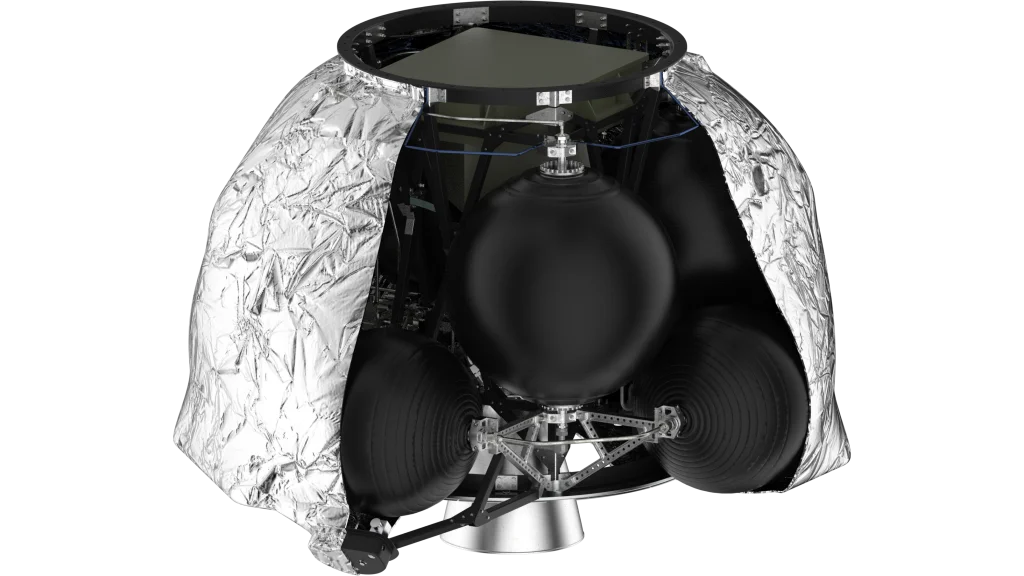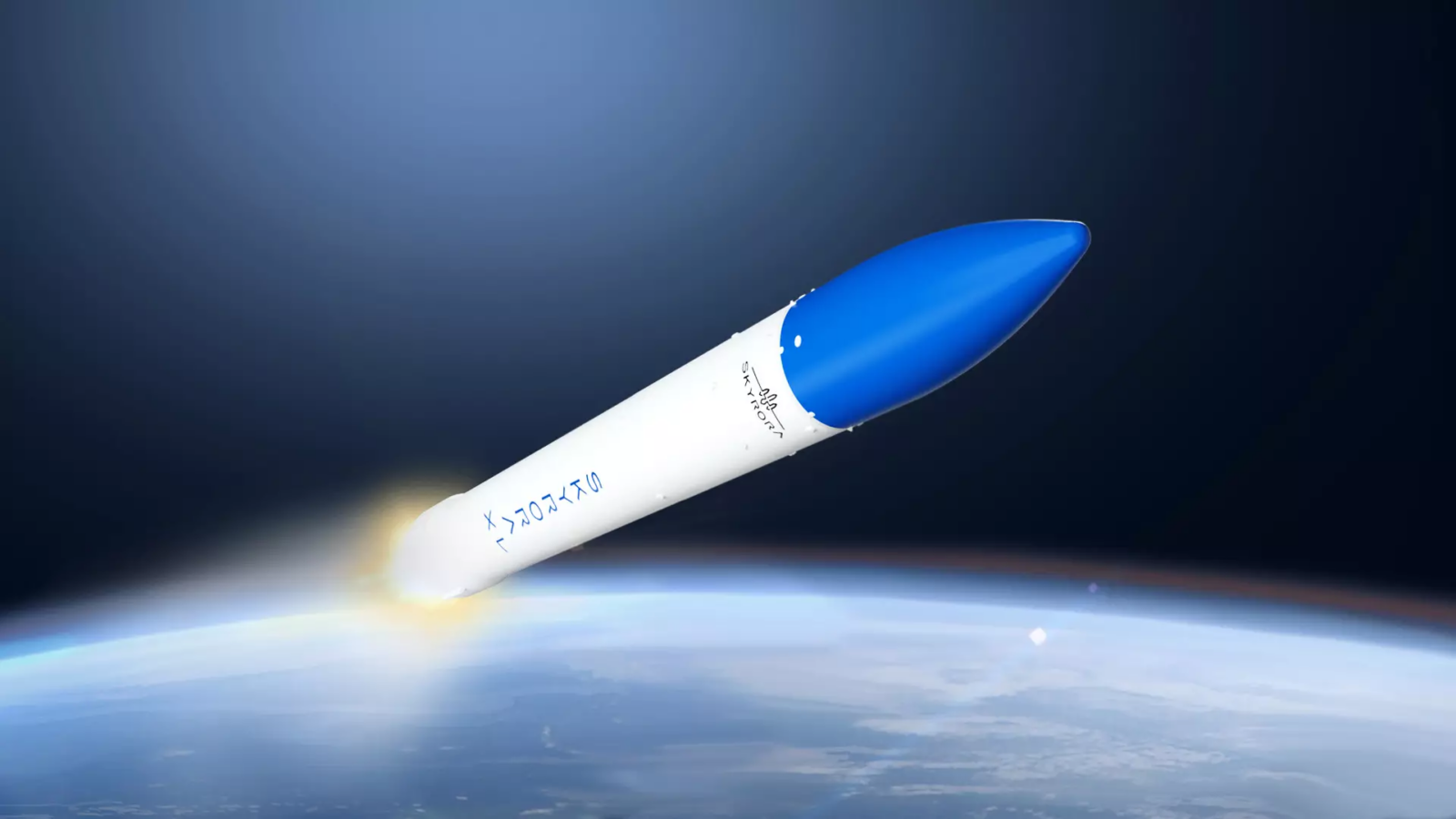
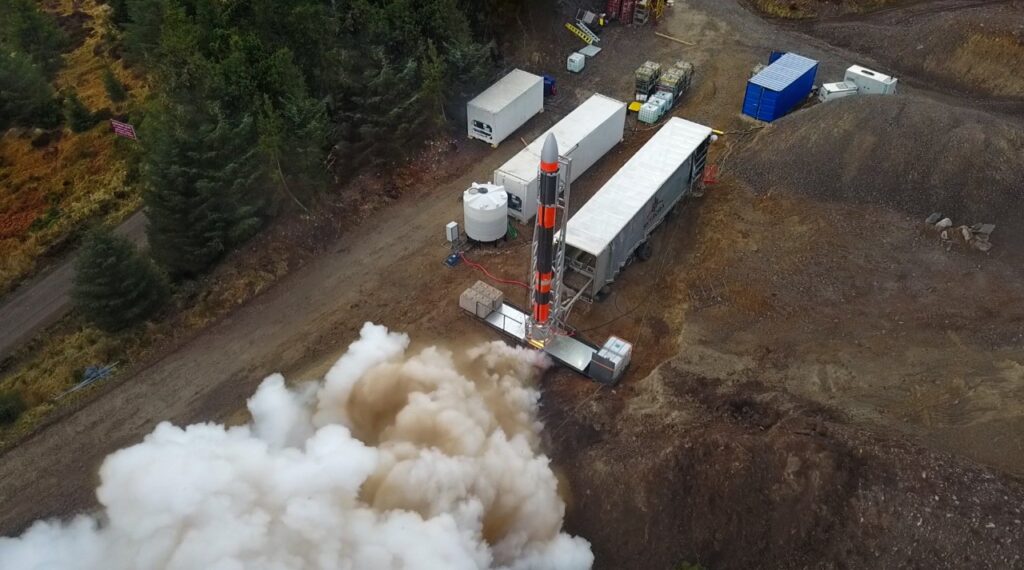
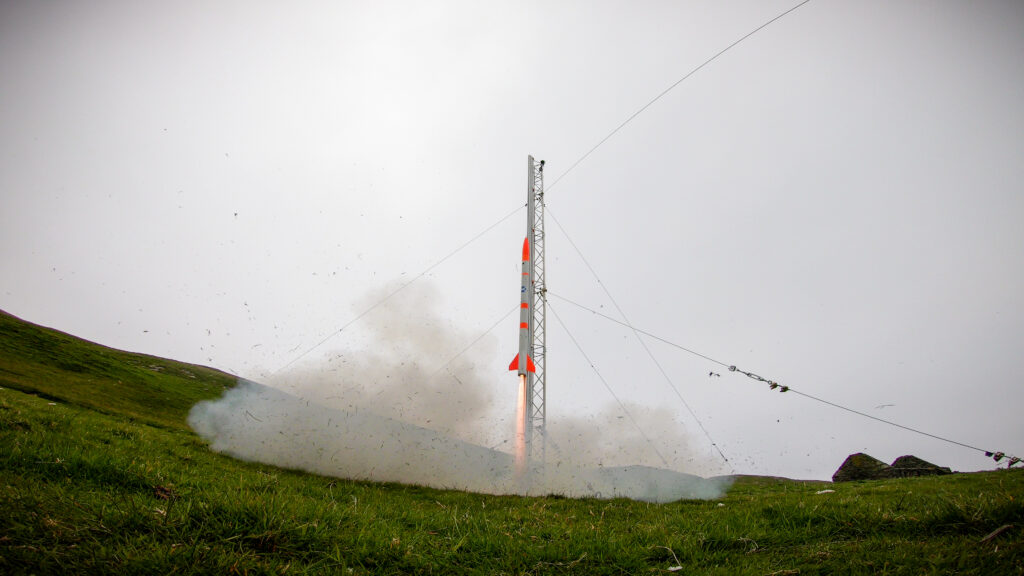
Skylark L is a guided suborbital launch vehicle designed to carry payloads to an apogee altitude of 102 km.
Skylark L
Skylark L is a guided suborbital launch vehicle designed to carry payloads to an apogee altitude of 102 km.
Description
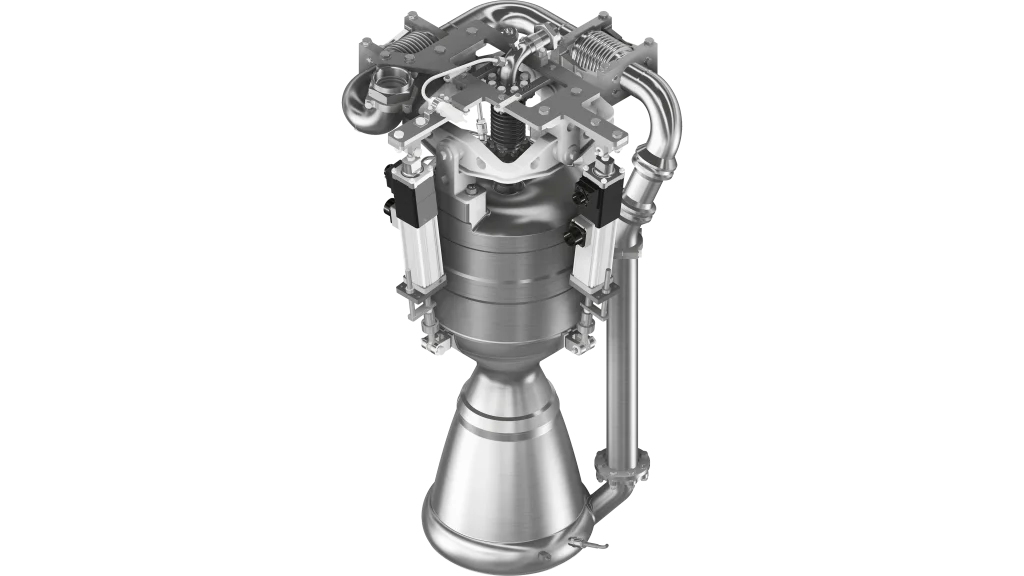
Skylark L is a guided suborbital launch vehicle equipped with an onboard control system, thrust vector control system, and roll control system. During flight, the onboard control system utilizes guidance algorithms to correct the flight course against disturbances. Control along the pitch and yaw axes during the boost phase is achieved by deviating the main engine's combustion chamber, while roll control during the boost phase and pitch/yaw control during the coast stage are managed by the roll control system. The vehicle uses a regeneratively cooled liquid rocket engine with a pressure-fed system. Skyrora utilizes high-grade materials such as polymers (epoxy, vinyl ester, polyester resins) and fibers (glass, carbon, aramid) for composite parts, ensuring high quality essential for aerospace applications. Every part of the launch system has been developed by Skyrora, with most parts successfully tested and in operation, and remaining parts in final testing stages.
Specifications
| Length | 11.65 m |
|---|---|
| Diameter | 0.7 m |
| Lift-off mass | 2,466 kg |
| Payload mass | 50 kg |
| Propellant | HTP / KEROSENE |
| Apogee altitude | 102 km |
| Time to apogee (from launch) | 225 s |
| Max g-load | 3.7 G |
| Maximum velocity | 950 m/s (MACH 3.5) |
| Nominal thrust of the main engine (above sea level) | 31 kN |
| Nominal thrust of the main engine (in vacuum) | 35 kN |
| Nominal specific impulse (above sea level) | 229 seconds |
| Nominal specific impulse (in vacuum) | 272 seconds |