Hydra Space Water-Based Propulsion System
 Hydra Space
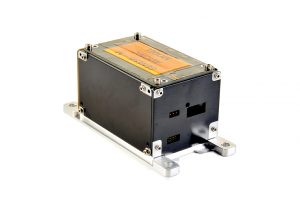
Green water-electrolysis propulsion for PocketQube and CubeSat-class satellites — non-toxic, non-pressurized propellant, solar-powered electrolysis, enabling station-keeping, phasing, and compliant end-of-life deorbit.
Typed specifications1 values
Discloses 1 of 11 fields engineers filter by in this category (category median 3).
- Propellant
- water product page
Each value is typed with its unit and measurement condition and cites the datasheet page it was taken from. Nothing is guessed: a field that is absent here has not been published by the manufacturer. machine-extracted ✓ checked by NewSpace Market ✓ manufacturer confirmed by the manufacturer.
As published by the supplier9 lines, in the manufacturer's own wording
- Propellant
- Water (H₂O)
- Propulsion principle
- Electrolysis (hydrogen/oxygen generation and expulsion)
- Propellant safety classification
- Green / non-toxic / non-pressurized
- Power source
- Onboard solar panels
- Target platform
- PocketQube 2P (5 × 5 × 10 cm, ~400 g) and CubeSats
- Applications
- Station-keeping, constellation phasing, deorbit, collision avoidance
- Range safety classification
- No hazardous propellant — no range safety restrictions
- Debris compliance
- Enables compliant end-of-life deorbit
- Programme support
- ESA BIC Madrid, CDTI-Neotec
About
Hydra Space’s water-based propulsion system is a green propulsion technology tailored to the constraints of PocketQube and CubeSat-class satellites, enabling controlled orbital maneuvers, altitude adjustments, constellation phasing, and deorbit capability without the hazards associated with conventional chemical propellants. The system uses electrolysis — splitting water into hydrogen and oxygen that are then expelled as propellant — yielding a non-toxic, non-pressurized propellant that presents no range safety hazard during satellite integration or launch processing.
Water is inexpensive, widely available, and requires no hazardous materials handling procedures, dramatically simplifying regulatory approval for launch. The energy required for electrolysis is supplied by the satellite’s solar panels, making the system self-contained within a compact form factor compatible with the Hydra Space 2P PocketQube bus and larger CubeSat platforms.
The technology aligns with Hydra Space’s sustainability mission and zero-debris philosophy: by enabling controlled deorbit maneuvers, propulsion-equipped satellites can reliably vacate their orbital slots at end-of-life, meeting increasingly stringent regulatory requirements. This capability is particularly valuable for constellation operators planning multi-satellite deployments who need reliable orbital slot management and collision avoidance capability.
Integration with Hydra Space’s existing satellite bus, ground segment, and cloud APIs means customers access propulsion-enabled platforms within the same turn-key mission framework as non-propulsive configurations, without requiring separate propulsion expertise in-house. The system is part of Hydra Space’s R&D roadmap supported by the ESA BIC Madrid and CDTI-Neotec programs.
Documentation
No public datasheet yet — request the datasheet / ICD from the supplier.