RESILIENCE Lunar Lander (Series 1)
 ispace
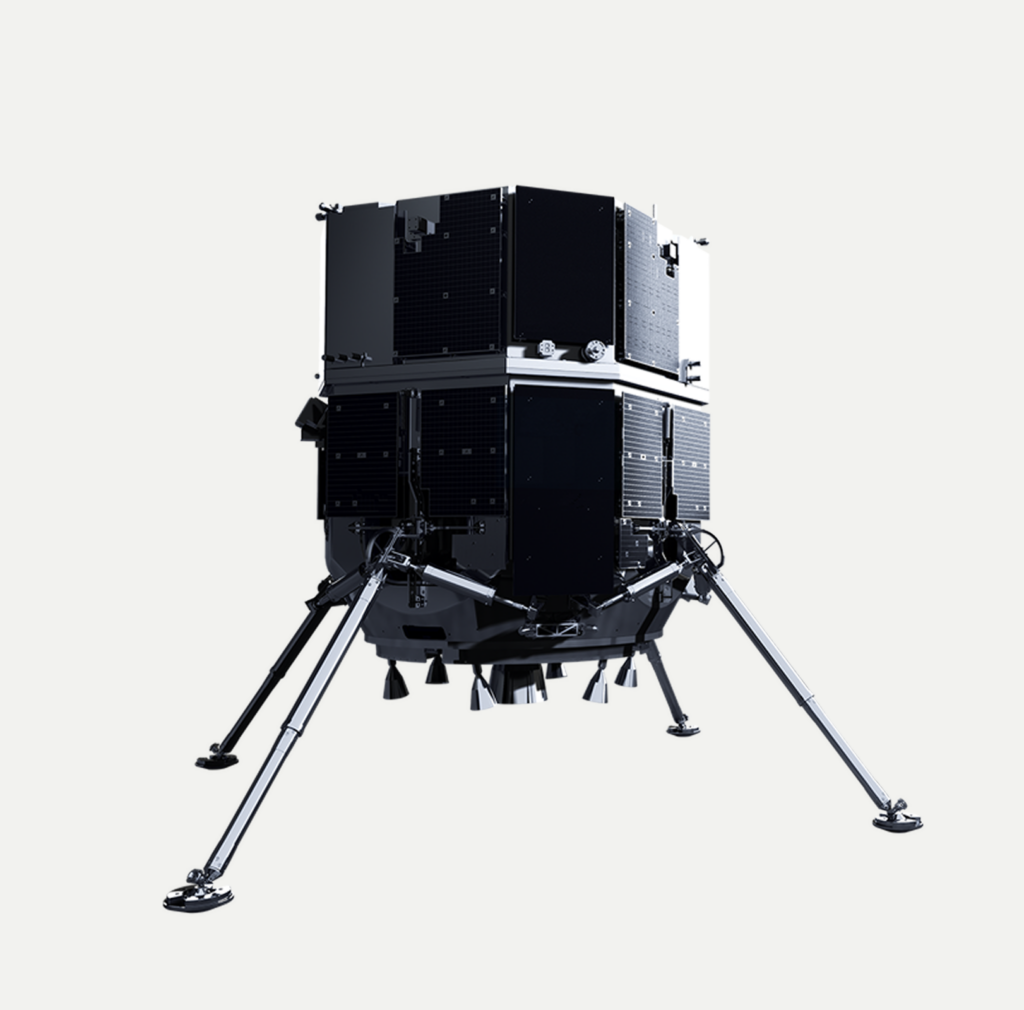
ispace's Series 1 lunar lander designed to deliver up to 30 kg of payload to the lunar surface, used for HAKUTO-R Mission 1 and Mission 2.
Key figurescomparable across the catalogue
- Mass
- 1,000 kg
- Payload capacity
- 30 kg
Normalised to common units so this product can be compared with others in its category. The supplier's own wording is below.
As published by the supplier
- Height
- ~2.3 m
- Width (legs extended)
- ~2.6 m
- Launch mass (wet)
- ~1,000 kg
- Dry mass
- ~340 kg
- Payload capacity to lunar surface
- Up to 30 kg
- Landing legs
- 4
- Propulsion
- Bipropellant main thruster + attitude control thrusters
- Launch vehicle
- SpaceX Falcon 9
- Mission 1 launch date
- 11 December 2022
- Mission 1 landing attempt
- 25 April 2023 — Atlas Crater (hard landing)
- Mission 2 launch date
- 15 January 2025
- Mission 2 landing attempt
- 5 June 2025 — Mare Frigoris, 60.5°N 4.6°W (hard landing)
- Transfer trajectory
- Low-energy ballistic lunar transfer (~4–5 months)
- Mission 2 milestones completed
- 8 of 10
About
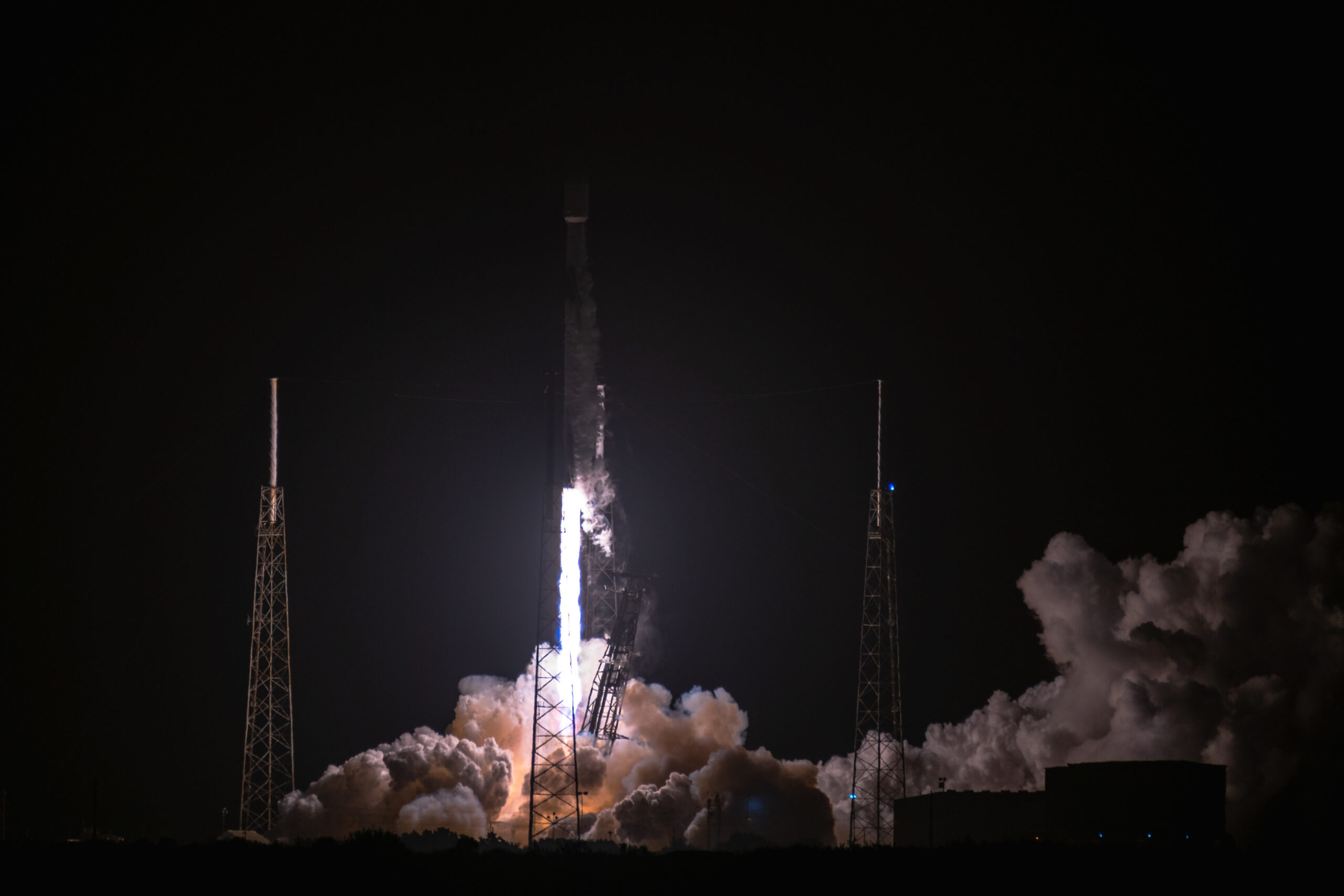
The RESILIENCE lander (Series 1) is ispace’s inaugural spacecraft design, standing approximately 2.3 m tall and 2.6 m wide with landing legs extended, designed to carry up to 30 kg of commercial payload to the lunar surface via a low-energy transfer trajectory from Earth. It was used for two missions: HAKUTO-R Mission 1 (launched December 11, 2022 aboard a SpaceX Falcon 9), which carried the UAE’s Rashid rover, JAXA’s Sora-Q transformable robot, and other payloads — the lander attempted landing on April 25, 2023 in the Atlas Crater region but crashed after onboard software erroneously detected touchdown and cut the main engines prematurely. HAKUTO-R Mission 2 (launched January 15, 2025) carried the TENACIOUS micro rover and scientific instruments; the lander achieved successful lunar orbit insertion on May 6, 2025 but suffered a hard landing on June 5, 2025 in Mare Frigoris (60.5°N, 4.6°W) after a laser rangefinder anomaly caused insufficient deceleration during final descent. Mission 2 successfully completed 8 of 10 planned milestones, generating valuable operational data for ispace’s next-generation ULTRA lander program.
Documentation
Need the full ICD, test reports or a specific revision? Ask the supplier directly.