URA HYDRA Hybrid Propulsion System
 URA Thrusters
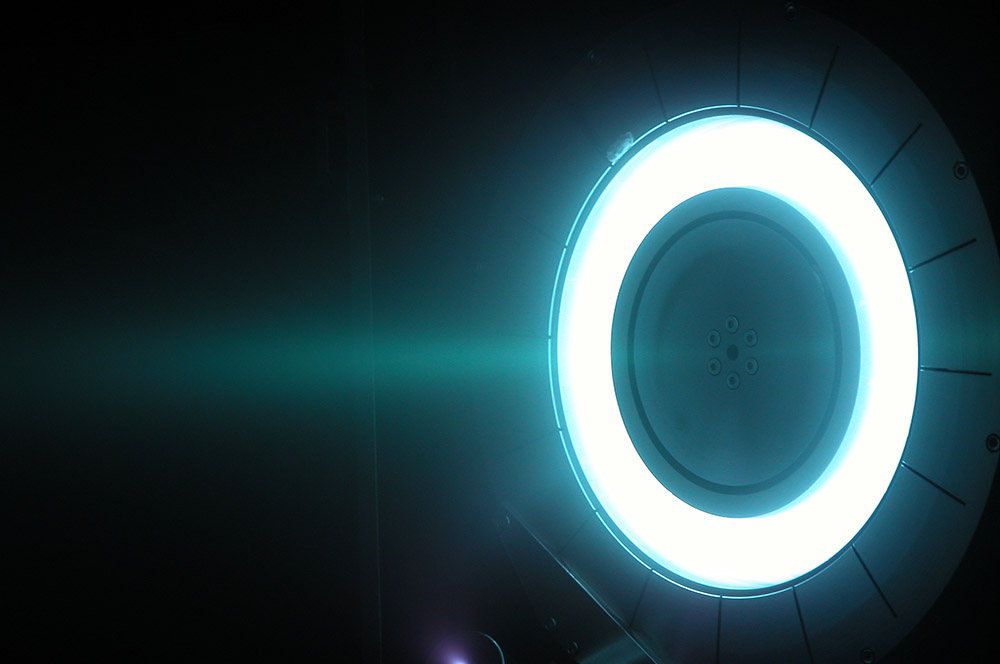
Hybrid chemical-electrical propulsion system combining a bi-propellant chemical thruster (ICE) and a Hall-effect thruster (HET) around a single electrolysed-water tank.
Typed specifications3 values
Discloses 1 of 11 fields engineers filter by in this category (category median 3).
- Propellant
- water product page hydrogen | oxygen
Each value is typed with its unit and measurement condition and cites the datasheet page it was taken from. Nothing is guessed: a field that is absent here has not been published by the manufacturer. machine-extracted ✓ checked by NewSpace Market ✓ manufacturer confirmed by the manufacturer.
As published by the supplier4 lines, in the manufacturer's own wording
- Propellant
- Water (electrolysed on-board to O2/H2)
- Chemical thruster mode
- Bi-propellant ICE (catalytic combustion)
- Electric thruster mode
- Bi-propellant Hall-effect thruster (HET)
- Architecture
- Common water tank and electrolyser, modular interchangeable parts
About
The HYDRA hybrid propulsion system is the realisation of URA Thrusters’ sustainable propulsion vision, combining water electrolysis technology for both chemical and electrical propulsion in one integrated platform. The system uses a common water tank and electrolyser to feed a bi-propellant chemical thruster (the ICE system, using combusted oxygen/hydrogen) and a bi-propellant Hall-effect thruster (the HET system, using electrolysed oxygen/hydrogen as propellant), with fully modular and interchangeable components shared across URA’s product lines.
By combining chemical and electric propulsion modes on a single propellant store, HYDRA allows operators to dynamically choose between high-thrust chemical burns for orbit changes and collision avoidance, and high-efficiency electric thrusting for station-keeping and orbit raising, using only inexpensive, widely available water as propellant.
Documentation
No public datasheet yet — request the datasheet / ICD from the supplier.