
Independent satellite health monitoring and recovery module with always-on Iridium inter-satellite link communications, proven in space in February 2024 — provides mission assurance even during complete satellite primary system failure.
ANT61 Beacon Satellite Recovery Module
Independent satellite health monitoring and recovery module with always-on Iridium inter-satellite link communications, proven in space in February 2024 — provides mission assurance even during complete satellite primary system failure.
Description
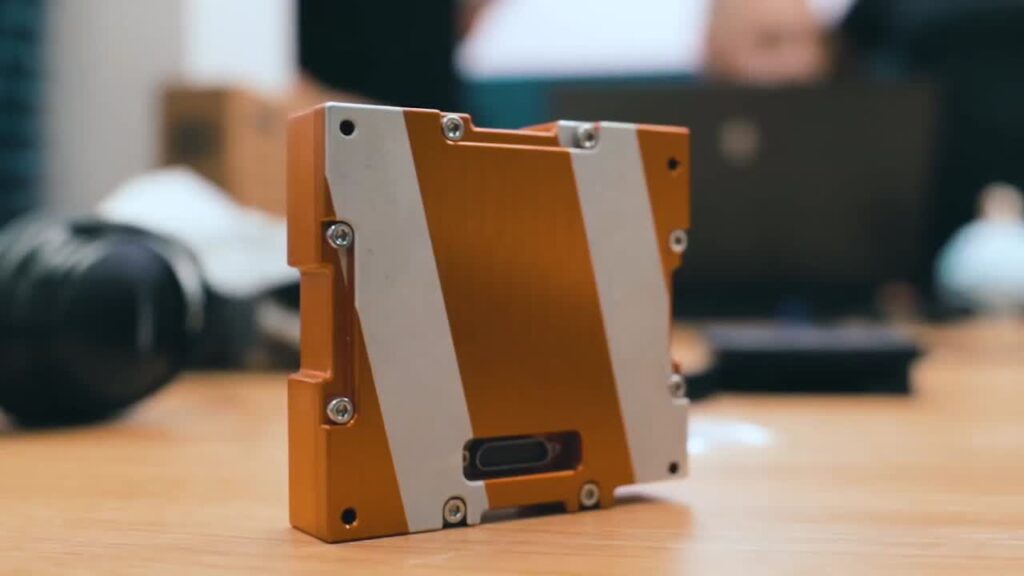
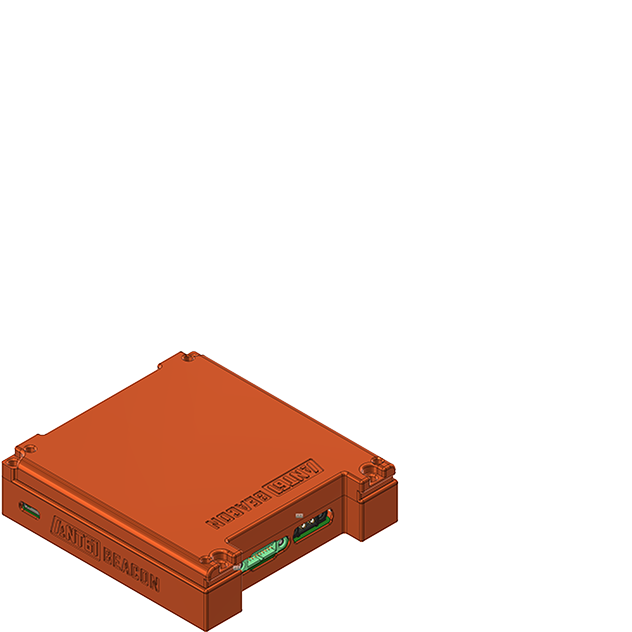
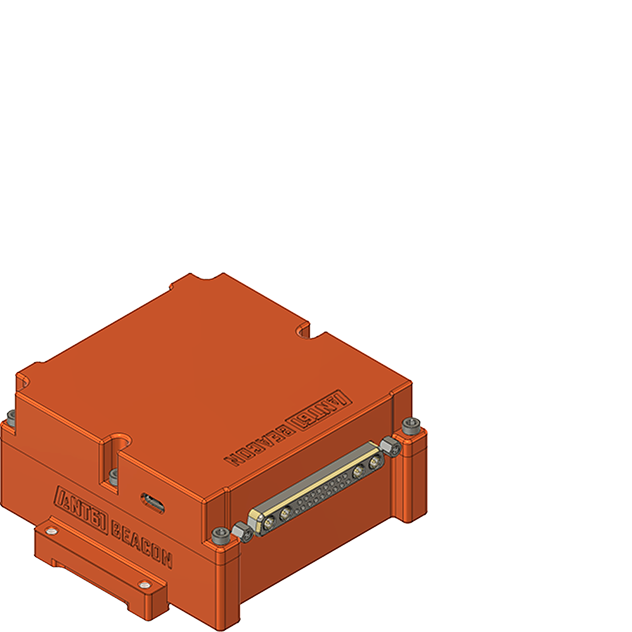
The ANT61 Beacon is an independent, self-powered satellite module designed to ensure mission assurance even when the primary satellite computer (CDHS) fails or loses power. It was proven in space in February 2024 and is available to purchase or pre-order.
The Beacon operates completely independently of the satellite's primary computer: it has its own processor, power system, and Iridium inter-satellite link (ISL) radio, providing continuous two-way communication between the satellite and its ground operators via the Iridium constellation — from anywhere on Earth, at any time. This independence means the Beacon continues operating even if the satellite's primary systems are offline due to power anomalies, software failure, or other hardware faults.
Key capabilities include: real-time satellite anomaly diagnosis (with data points covering orbital parameters, attitude, radiation events, temperature, vibrations, and power bus characteristics); independent recovery command uplink to attempt restoring primary systems; and an independent battery sustaining operation for up to one week during satellite power loss.
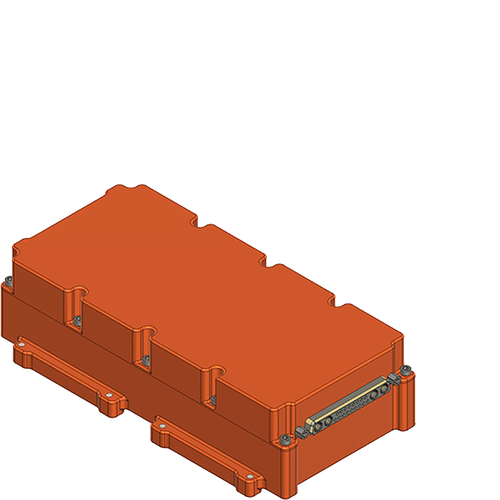
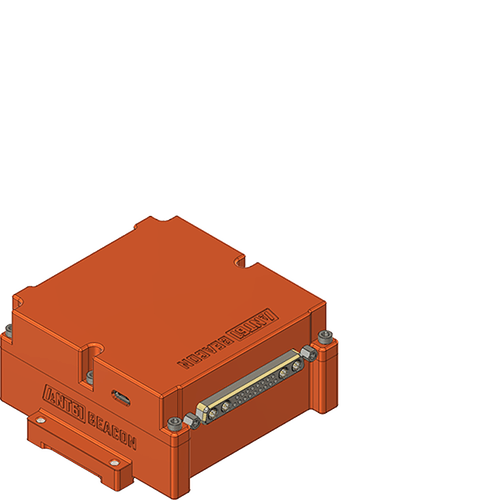
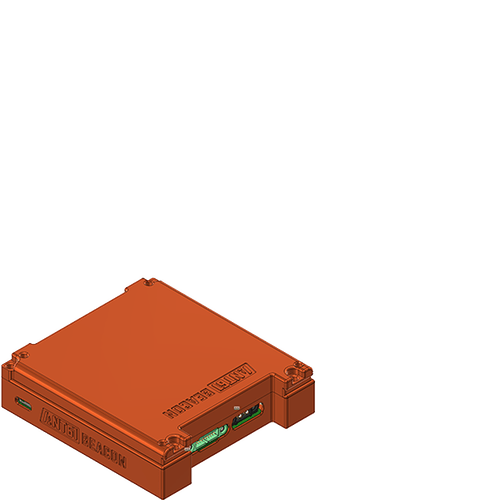
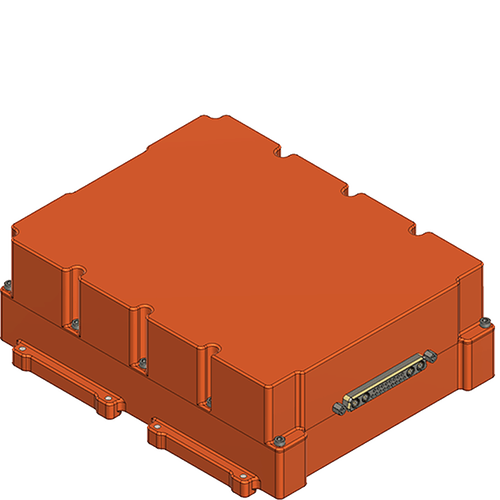
The Beacon is designed for easy integration with any satellite bus: it uses PC/104 standard connectors, has a 0.9 × 0.959 × 0.24U form factor and weighs just 275 g. It can operate in standalone mode (collecting and transmitting data autonomously) or in integrated mode (ingesting additional telemetry from the satellite bus).
Specifications
| Form factor | 0.9 × 0.959 × 0.24U |
|---|---|
| Weight | 275 g |
| Communication | Iridium inter-satellite links (2-way, global, continuous) |
| Bandwidth | 0.2 kbps |
| Connectors | PC/104 standard |
| Independent battery | Up to 1 week operation during satellite power loss |
| Telemetry data points | Orbital parameters, attitude, radiation, temperature, vibrations, power bus |
| Operation modes | Standalone (autonomous) or integrated (with satellite bus) |
| Space heritage | Proven in orbit, February 2024 |
| TRL | 9 (flight proven) |
| Lead time | 12 weeks (Small variant) |