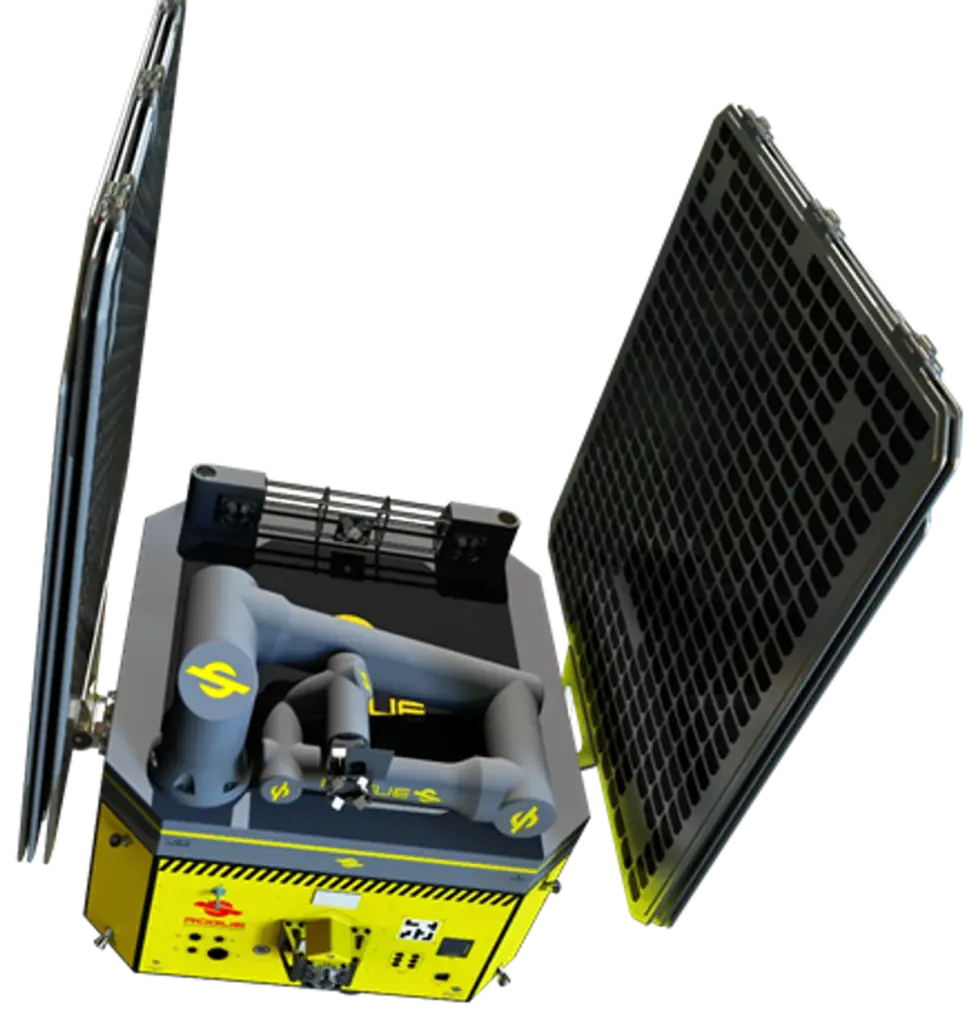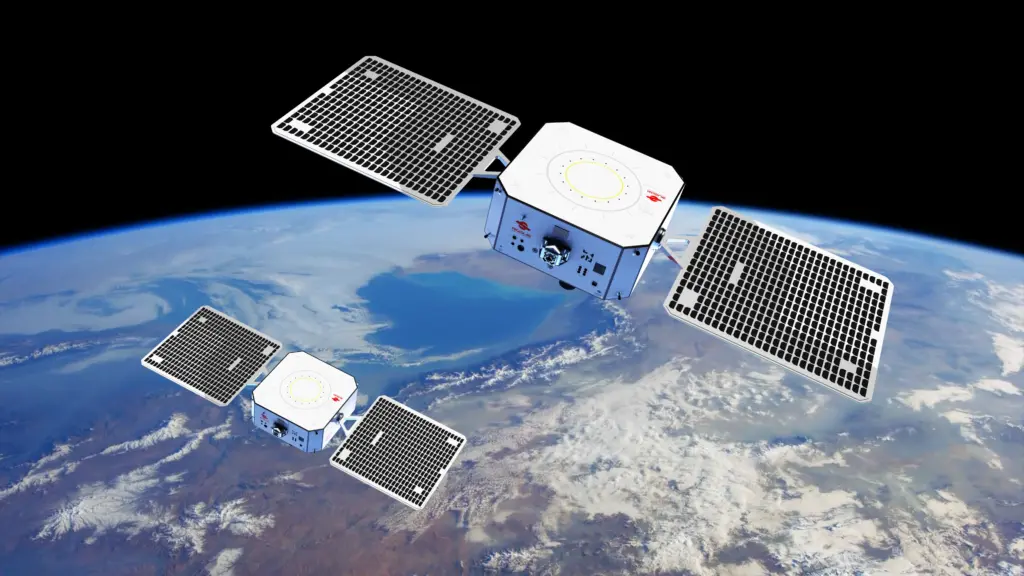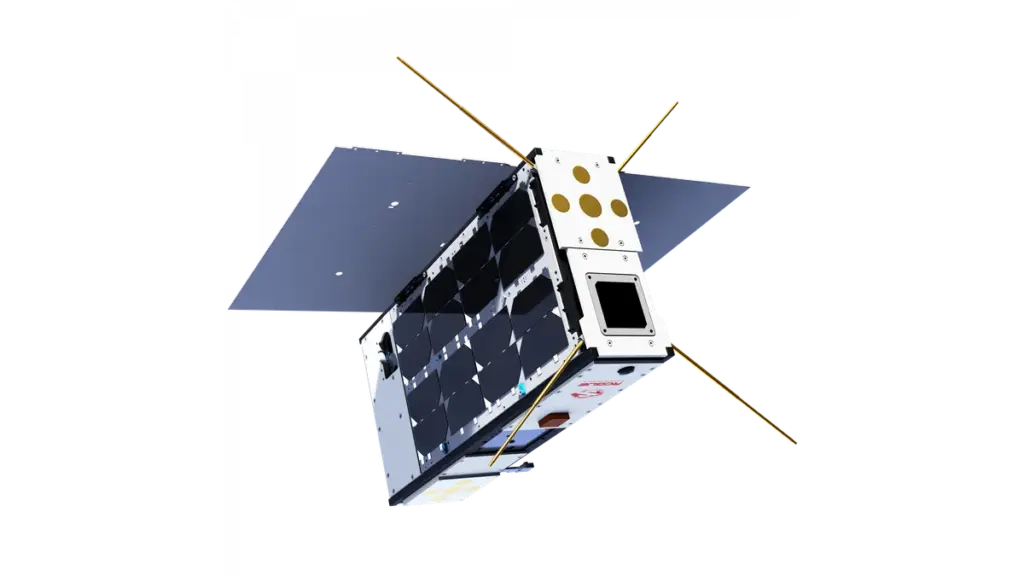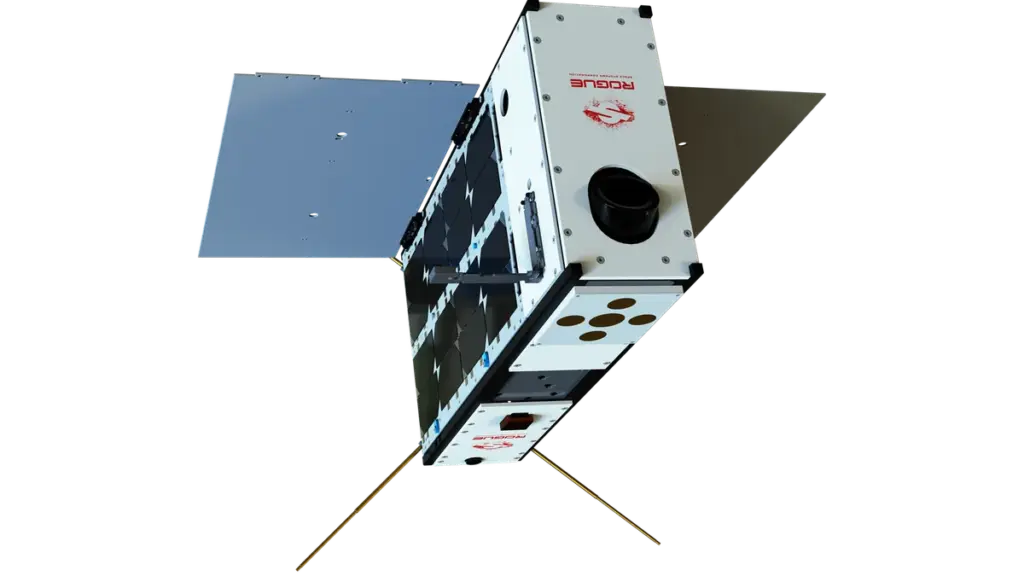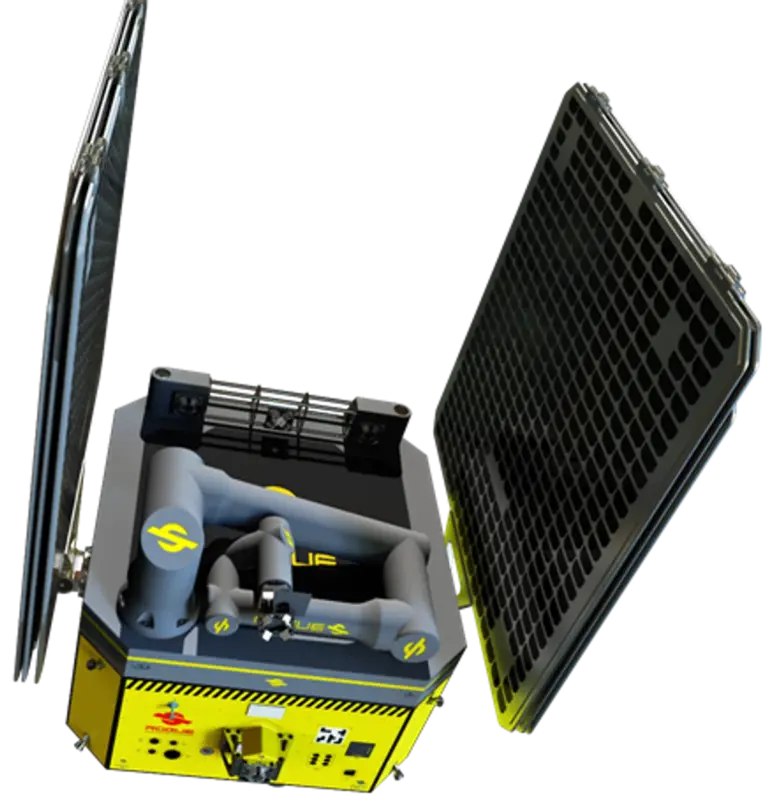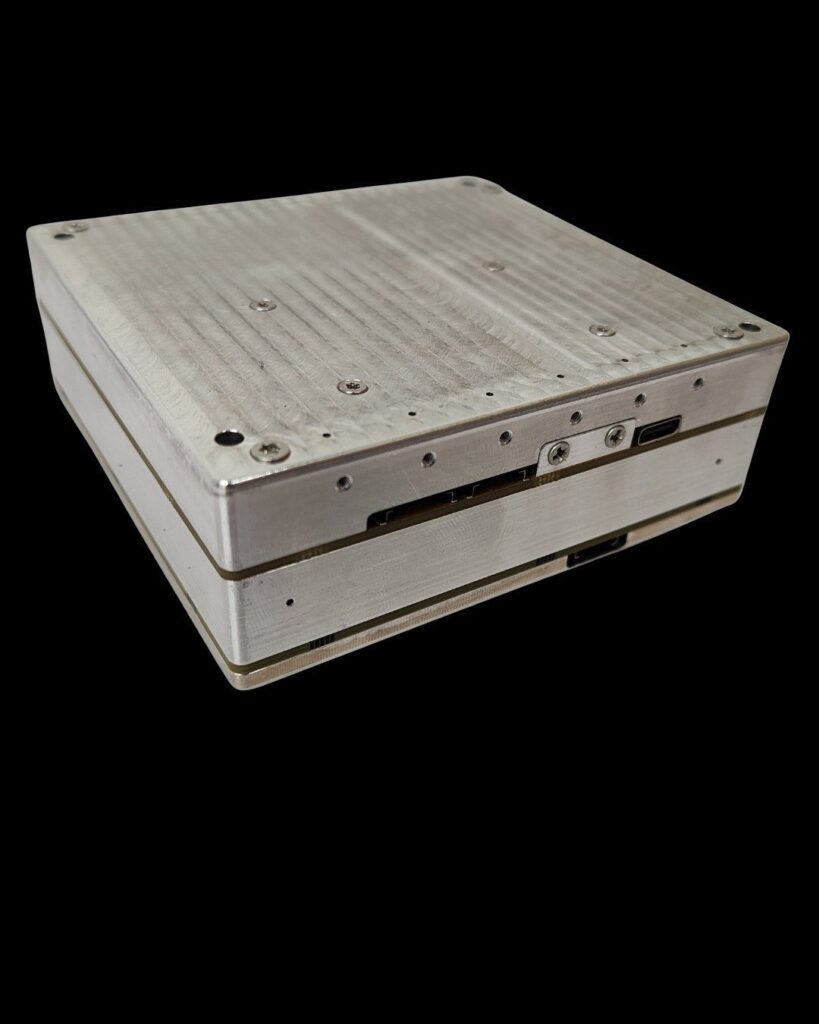

Orbot-1 and Orbot-2 are twin ESPA-class spacecraft designed for rendezvous, proximity operations, and docking (RPO/D) demonstrations, featuring full six-degrees-of-freedom maneuvering and multi-spectral sensing.
Orbot-1 & Orbot-2
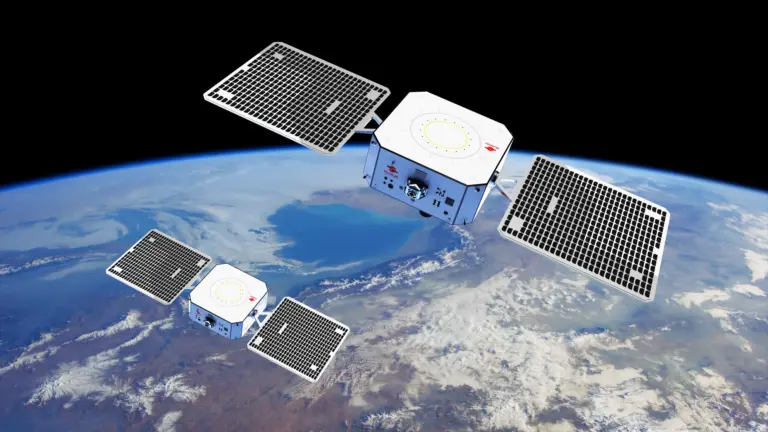
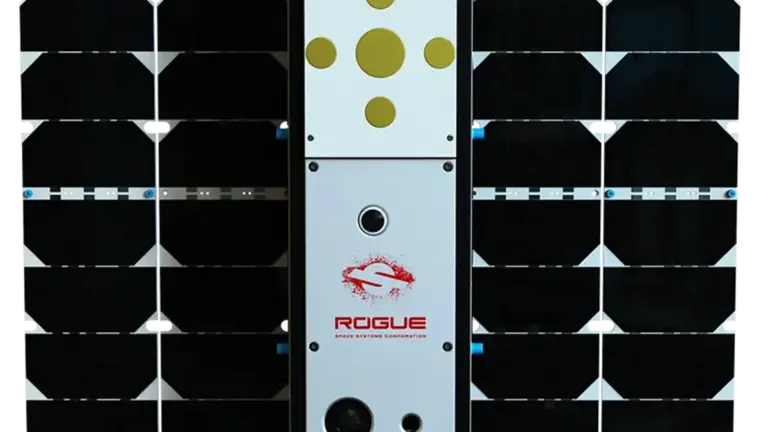
Orbot-1 and Orbot-2 are twin ESPA-class spacecraft designed for rendezvous, proximity operations, and docking (RPO/D) demonstrations, featuring full six-degrees-of-freedom maneuvering and multi-spectral sensing.
Description
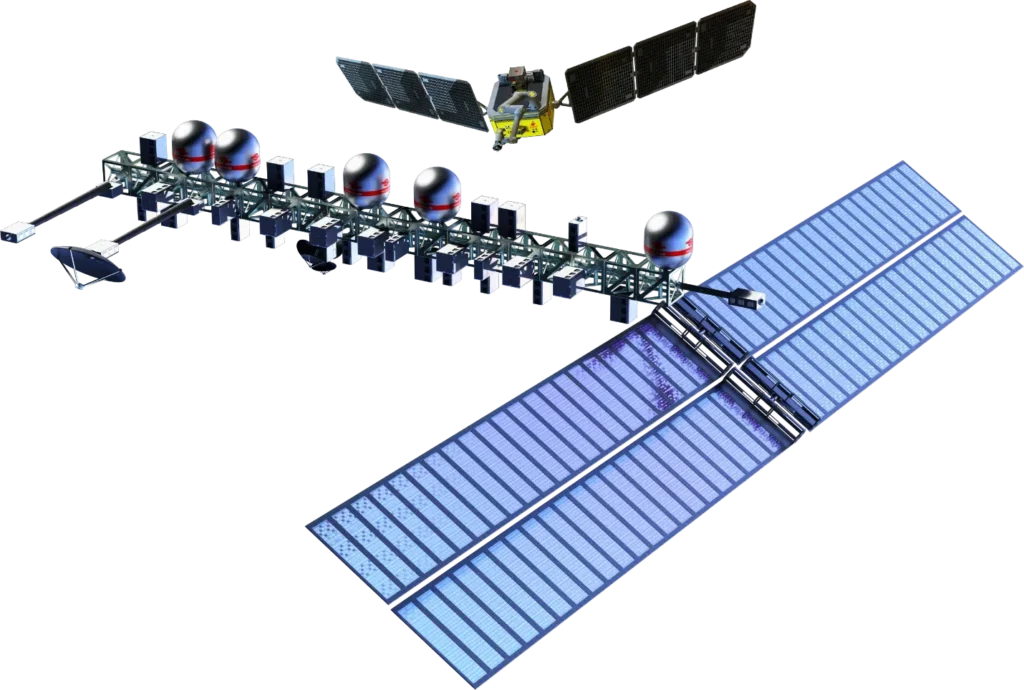
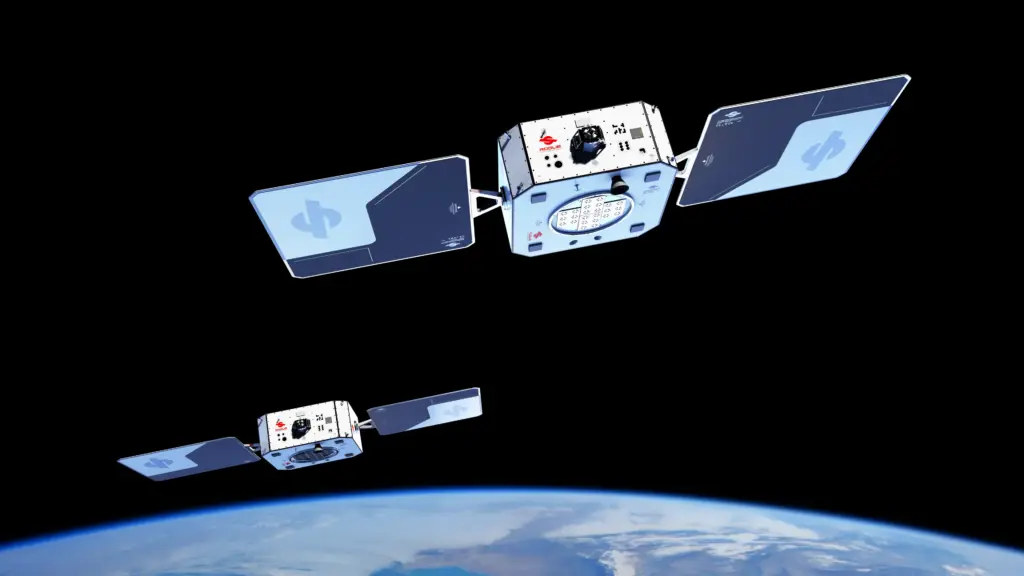
Orbot-1 and Orbot-2 are twin ESPA-class spacecraft developed for rendezvous, proximity operations, and docking (RPO/D) demonstrations in sun-synchronous orbit. Each spacecraft, weighing 200 kg, is equipped with full six-degrees-of-freedom (6DOF) maneuvering capability, enabling precise relative navigation, approach, and physical docking with both cooperative and non-cooperative targets. A comprehensive multi-spectral sensing suite provides visible, infrared, and LIDAR imaging for target characterization and navigation during proximity operations. The twin-spacecraft architecture allows for cooperative mission profiles, such as one Orbot inspecting while the other maneuvers, or both operating independently on parallel tasks. This mission aims to establish the operational foundation for a full Orbot fleet, validating autonomous RPO/D capabilities essential for commercial payload hosting, inspection, space domain awareness, and future In-Space Servicing, Assembly, and Manufacturing (ISAM) operations. Launch is scheduled for Q1 2028, with RPO execution beginning Q1–Q2 2028. The spacecraft also offer payload hosting opportunities for hardware or software.
Specifications
| Form factor | 200 kg bus / up to 100 kg payload |
|---|---|
| Spacecraft count | 2 (twin pair) |
| Orbit | SSO |
| Launch date | Q1 2028 |
| Launch vehicle | SpaceX Falcon 9 |
| Propulsion | Impulsive, Electric, and 6-DOF RCS |
| Sensors | Multi-spectral (VIS, IR, LIDAR) |
| Mission type | RPO/D demonstration |
| Status | In Development |