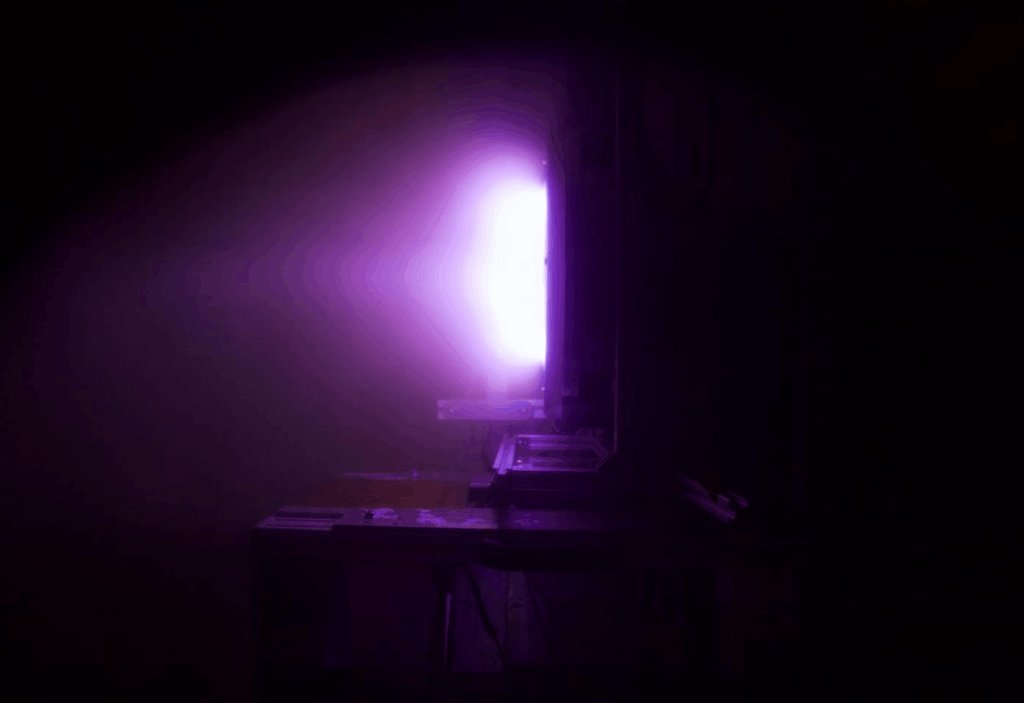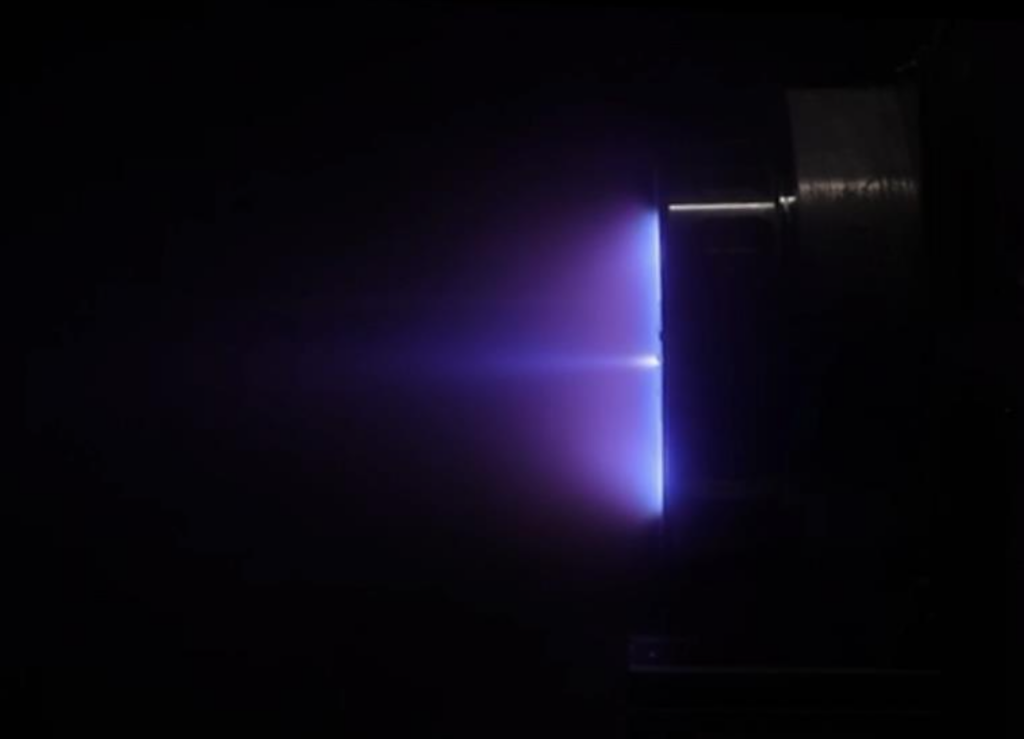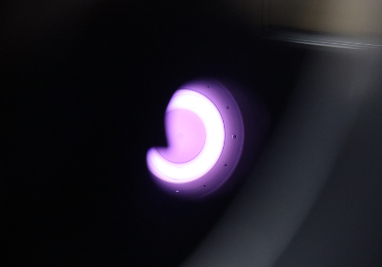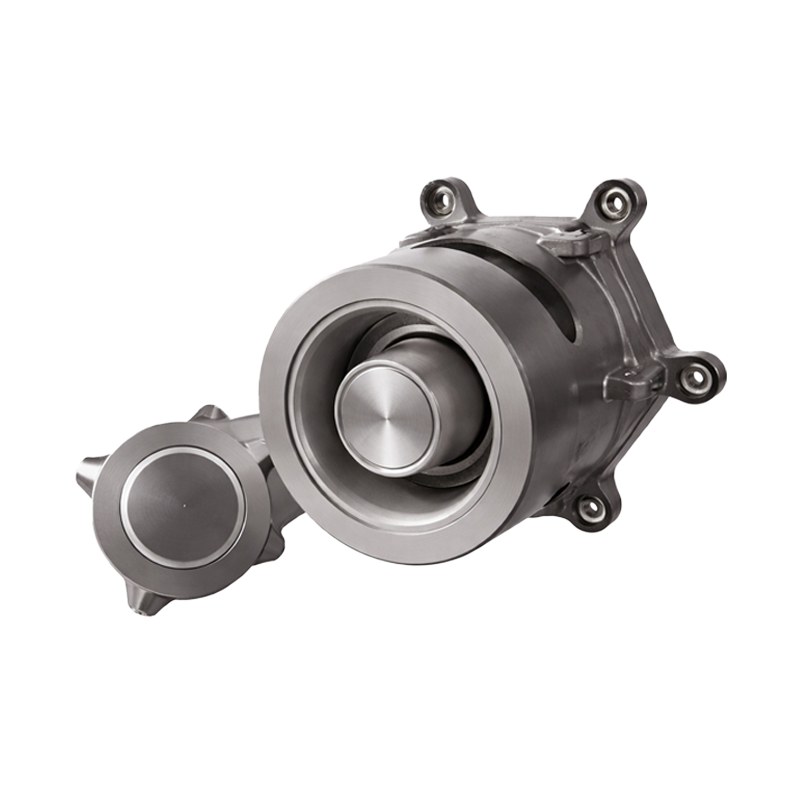

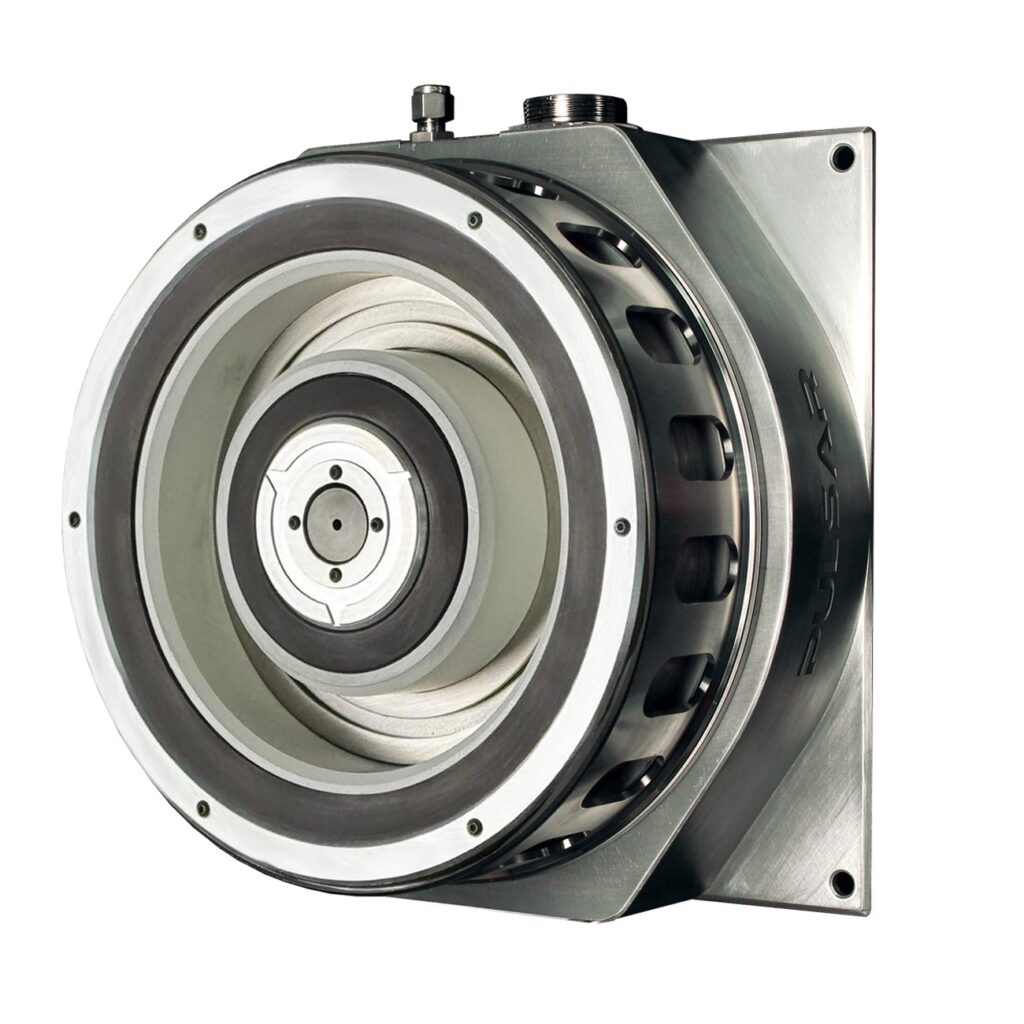
Pulsar Fusion's LeoBear is a 500 W Hall-effect thruster for LEO small satellites: 13–36 mN thrust, 1,200–2,300 s Isp on krypton or xenon, 130×130×150 mm, ESA GSTP-funded for TRL 6, with Momentus Vigoride in-orbit demonstration planned for late 2026.
LeoBear — 500 W Hall-Effect Thruster
Pulsar Fusion's LeoBear is a 500 W Hall-effect thruster for LEO small satellites: 13–36 mN thrust, 1,200–2,300 s Isp on krypton or xenon, 130×130×150 mm, ESA GSTP-funded for TRL 6, with Momentus Vigoride in-orbit demonstration planned for late 2026.
Description
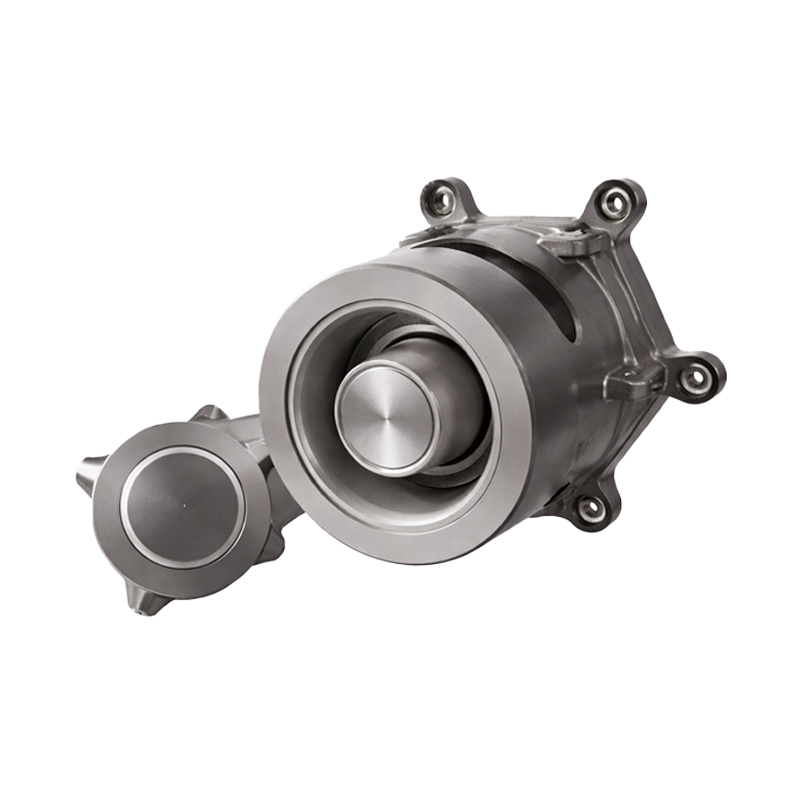
The LeoBear (PF-LEOBEAR) is Pulsar Fusion's entry-level Hall-effect thruster designed for LEO small satellite applications including orbit raising, station-keeping, and drag compensation. Tested from 296 to 832 W input power, the thruster delivers 13–36 mN thrust at 1,200–2,300 s specific impulse on krypton propellant (and up to 49% anode efficiency on xenon). The LaB6 (lanthanum hexaboride) cathode variant is the primary commercial configuration. Dimensions are 130 × 130 × 150 mm. The European Space Agency selected the LeoBear for a GSTP (General Support Technology Programme) contract in 2025 to advance TRL from 3 to 6 over an 18-month programme. The first orbital demonstration is planned on a Momentus Vigoride orbital transfer vehicle in late 2026. Pulsar Fusion is also developing the 5 kW MoonRanger and 10 kW MarsRanger for higher-energy applications, and the Sunbird nuclear fusion drive as a long-range future programme.
Specifications
| Power | 500 W (tested 296–832 W) |
|---|---|
| Thrust (Kr) | 13–36 mN |
| ISP (Kr) | 1,199–2,149 s |
| ISP (Xe) | 2,058–2,300 s |
| Anode efficiency | Up to 44.8% (Kr); up to 49% (Xe) |
| Cathode type | LaB6 (lanthanum hexaboride) |
| Propellants | Krypton (primary), Xenon |
| Dimensions | 130 × 130 × 150 mm |
| TRL | 3 → 6 (ESA GSTP funded, 18-month program, 2025–2026) |
| Flight demo | Momentus Vigoride OTV, planned late 2026 |