
Glavkosmos

Updated 25 Jul 2026
Launch provider Russia Listed
539 Products
6 Services
41 Years Active
This profile was created from public sources. Is this your company? — update products, receive requests directly.

About Glavkosmos

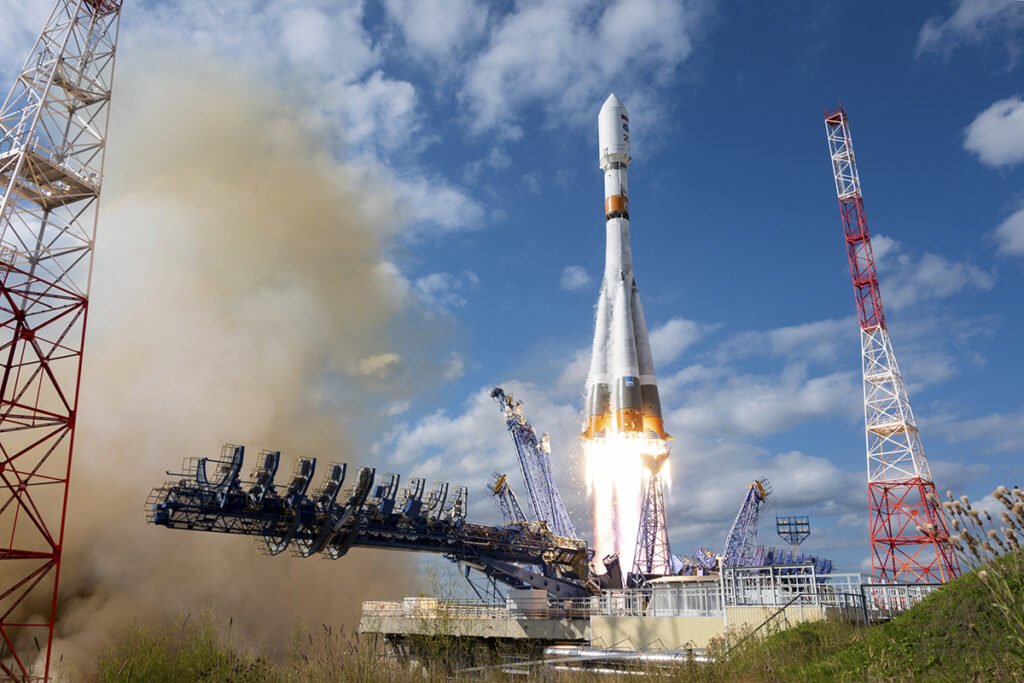
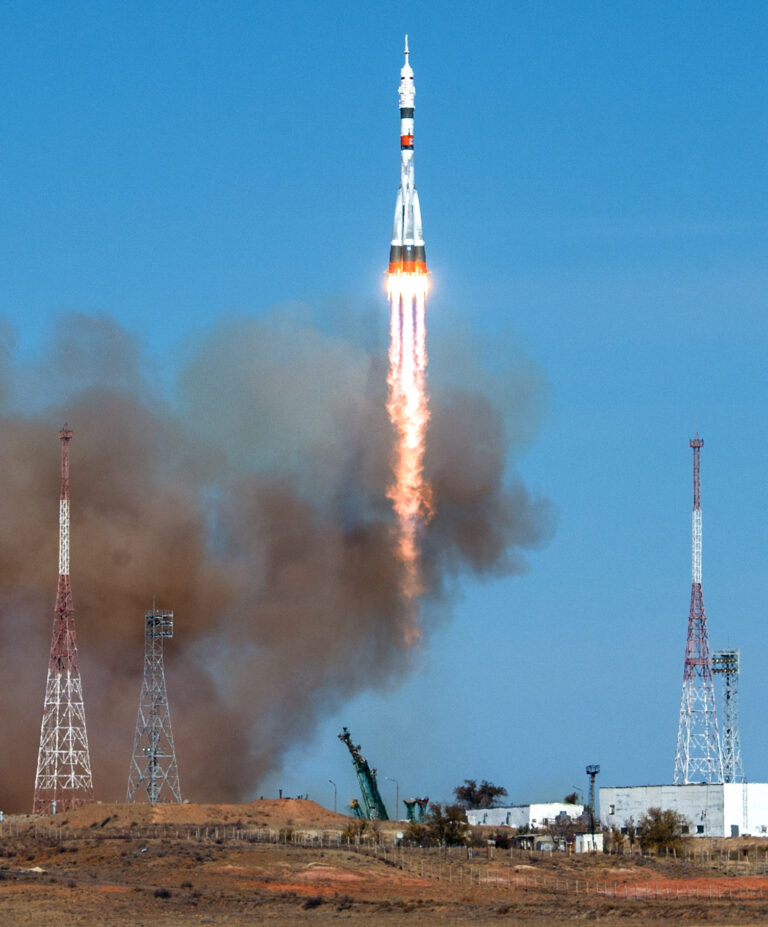
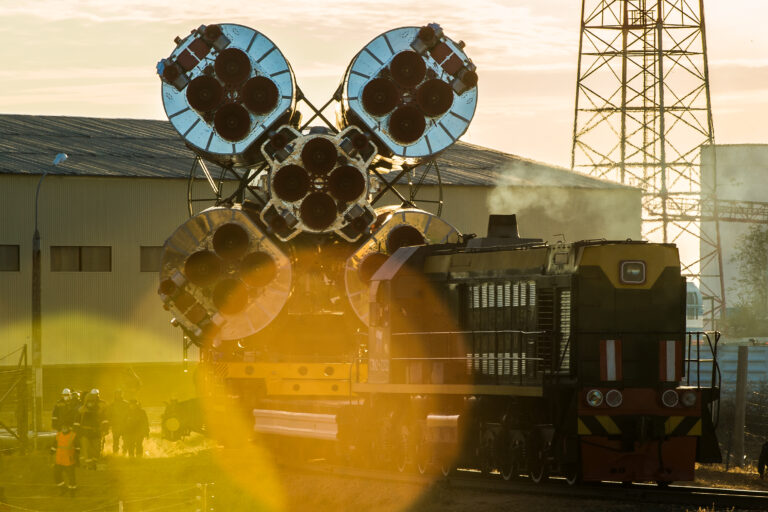
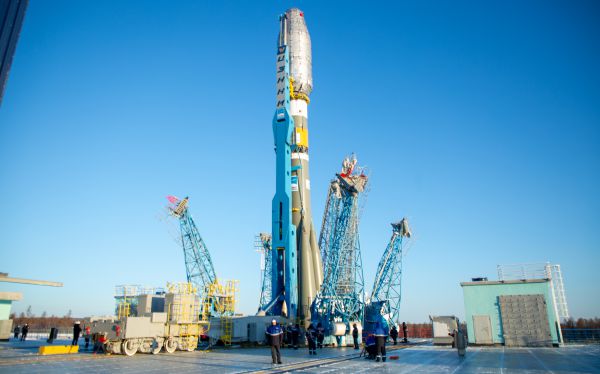
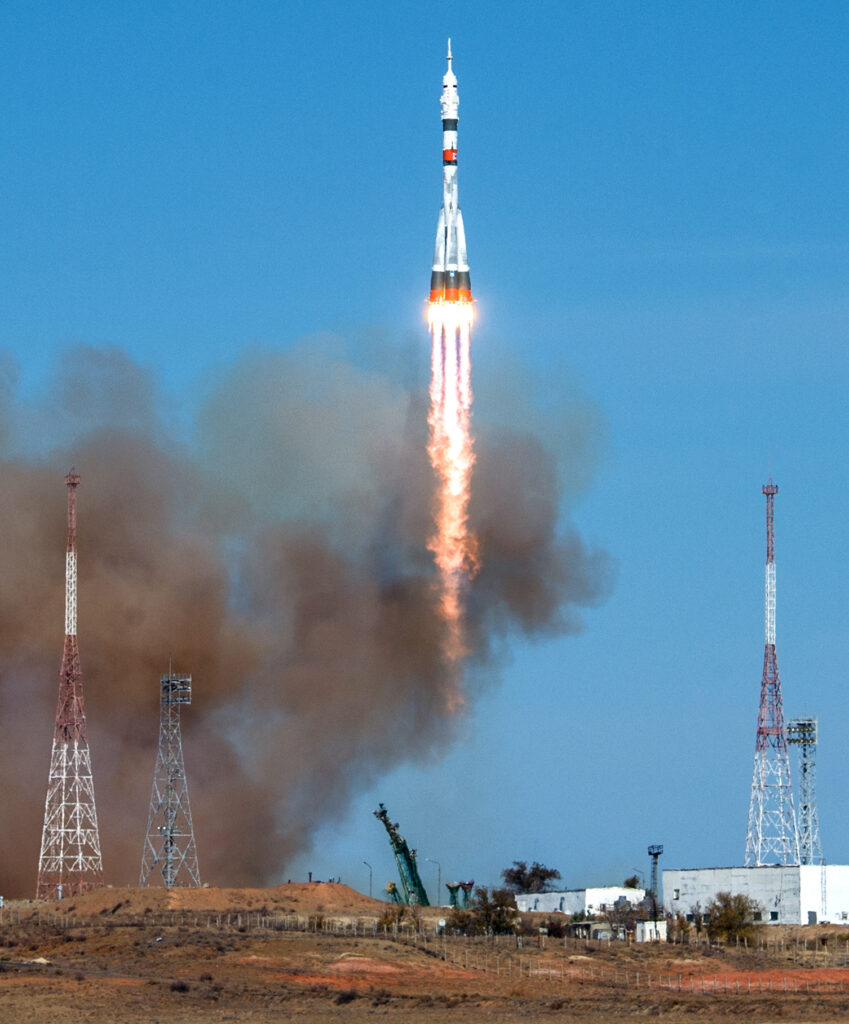
Glavkosmos coordinates international human spaceflight projects, including commercial spaceflights and missions to the Mir space station and International Space Station (ISS) for various international cosmonauts and astronauts. The company also facilitates the launch of satellites, including heliophysical satellites, small satellites, and communication satellites, under contracts with various entities such as Roscosmos, Arianespace, and international customers. Glavkosmos has been involved in the development and delivery of cryogenic oxygen-hydrogen blocks for rockets and the design and supply of equipment for upgrading cryogenic test facilities. Additionally, Glavkosmos provides individual equipment like spacesuits, seats, and seat liners for space crews and is authorized to search for commercial space flight customers. The company has participated in launches from Vostochny Cosmodrome and Baikonur, including record-setting simultaneous launches of Russian spacecraft. Notable programs include supporting the launch of Indian satellites (IRS-1A, IRS-2B, IRS-1C), the development of cryogenic blocks for the Indian GSLV rocket, and facilitating the first commercial spaceflight for a Japanese journalist. Glavkosmos also co-organized the Global Space Exploration Conference (GLEX-2021).

Milestones

  • 1992 Russian Federal Space Agency established
  • 2015 Reorganized as the Roscosmos State Corporation
  • Operates Soyuz crew and Progress cargo missions

Products

539

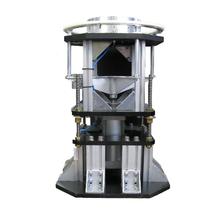
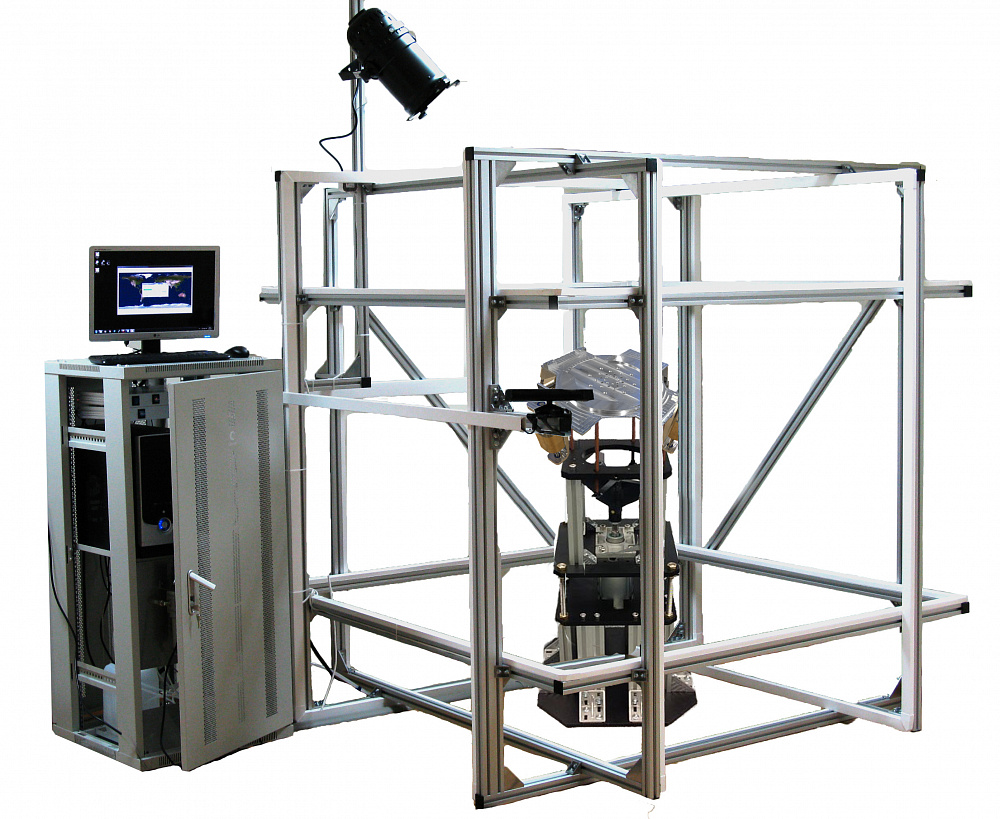
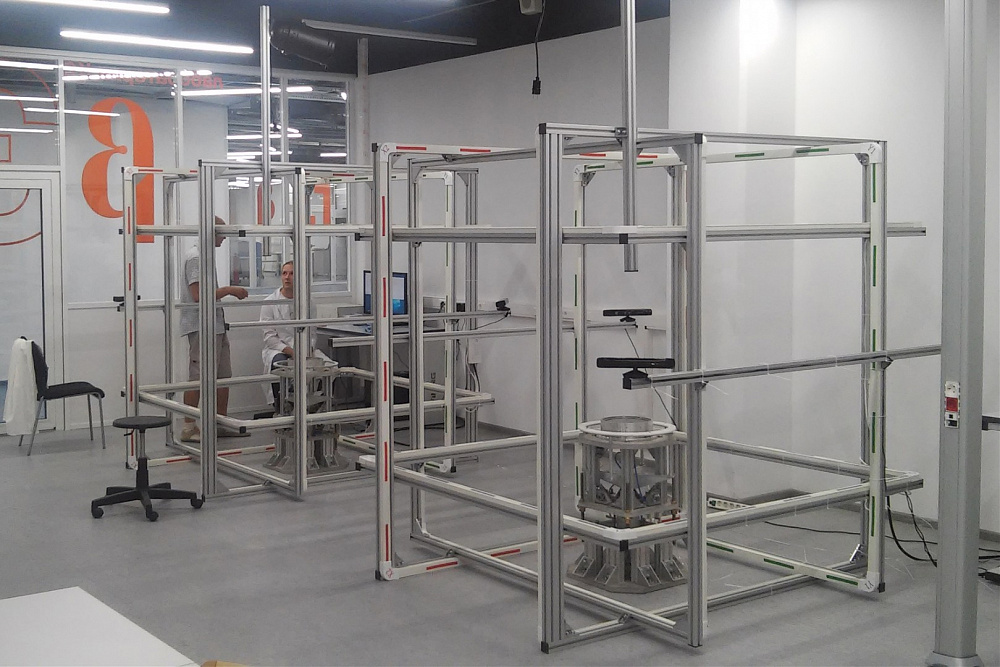
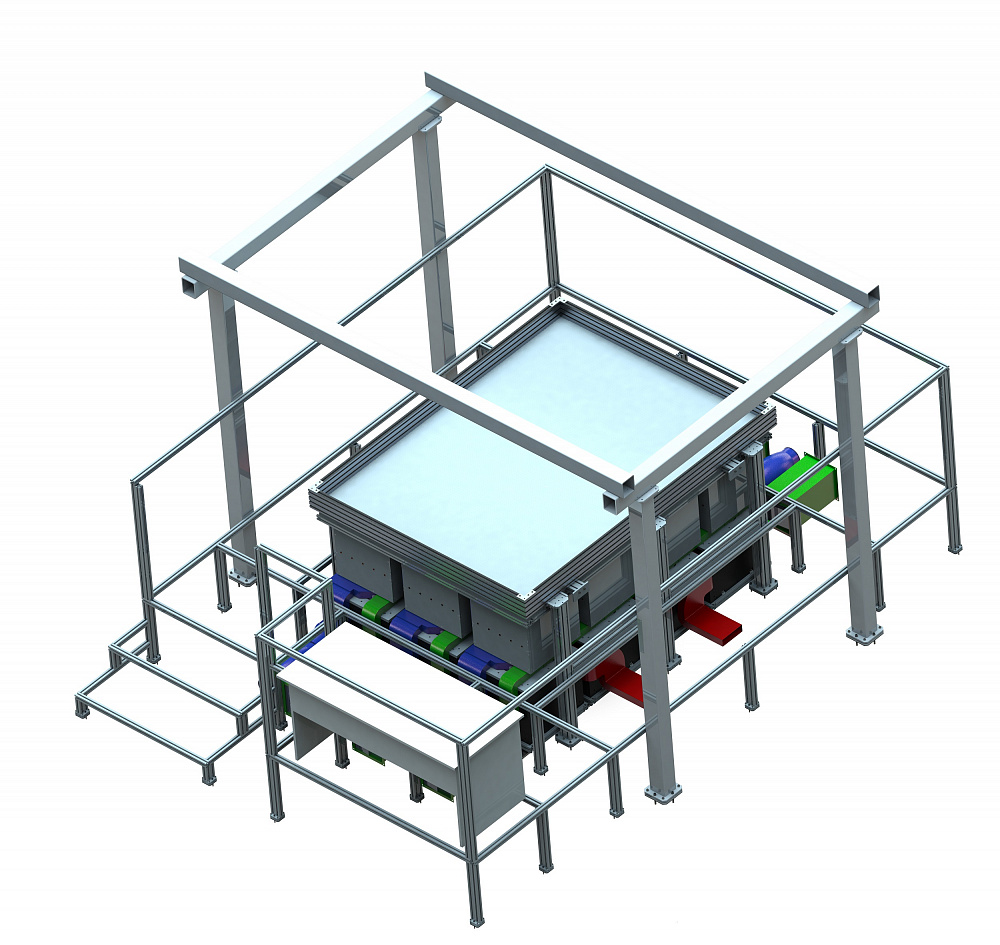
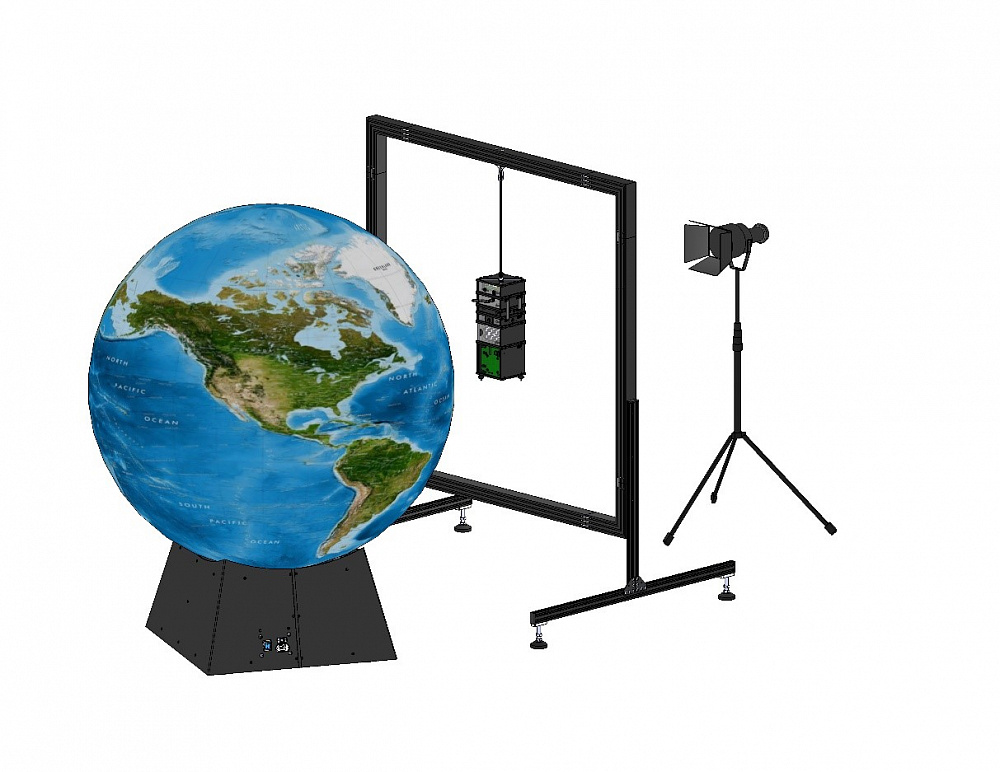
TERRA is a space flight simulation complex that recreates the orbital environment—including Earth's magnetic field and solar radiation—for conducting experiments with satellite models such as OrbiCraft.
3 13

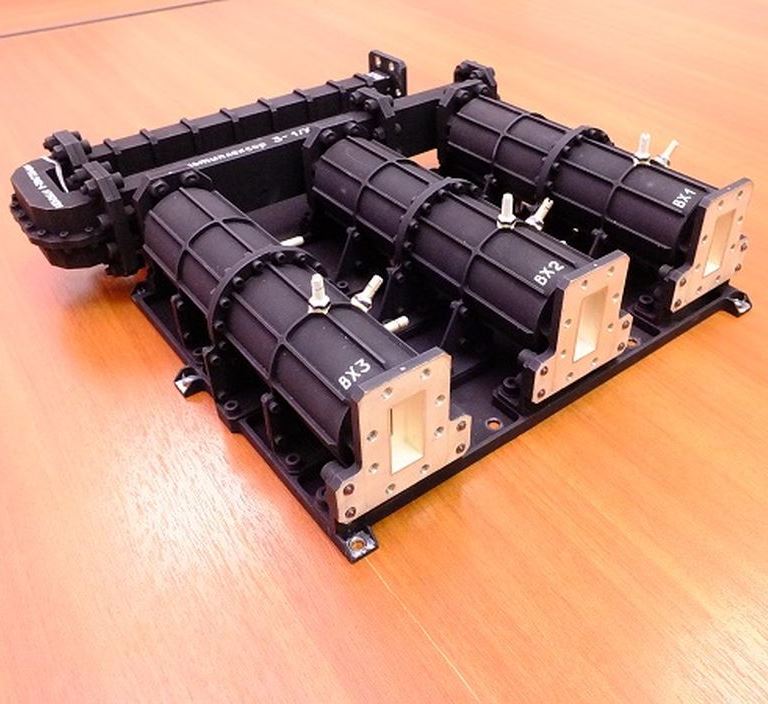
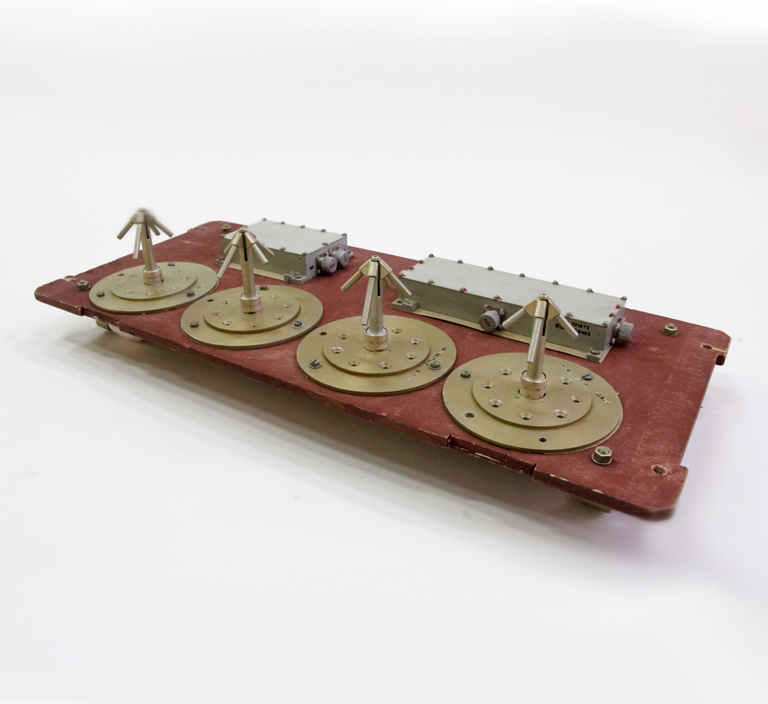
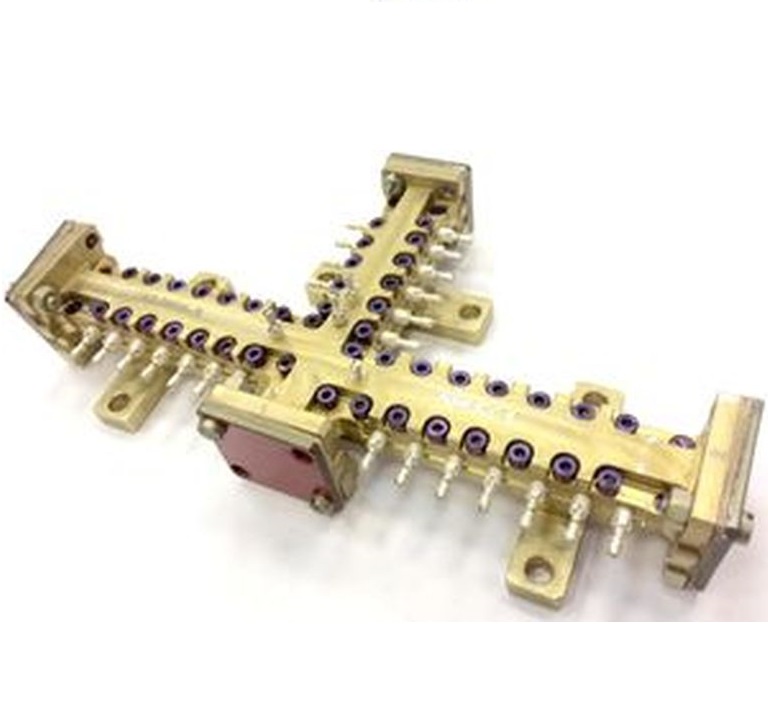
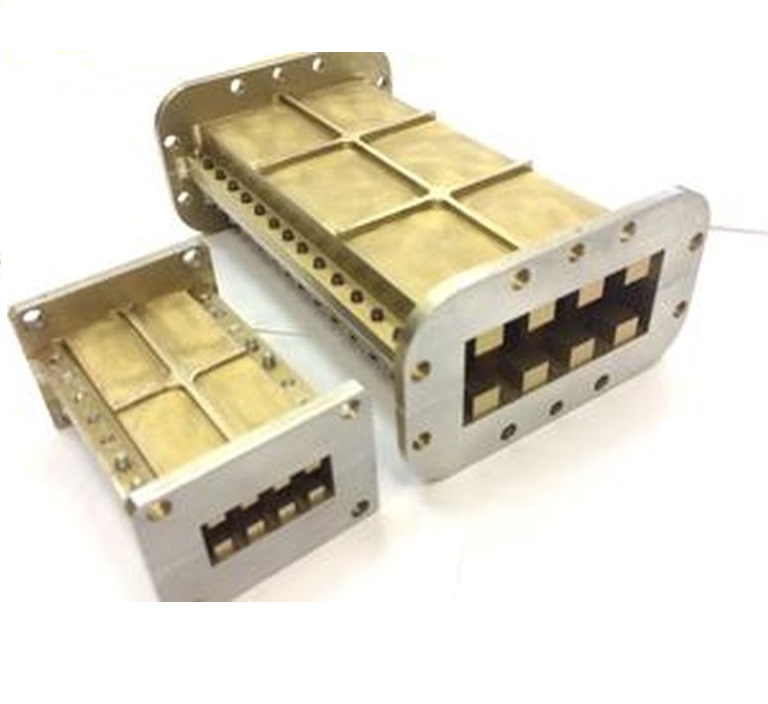
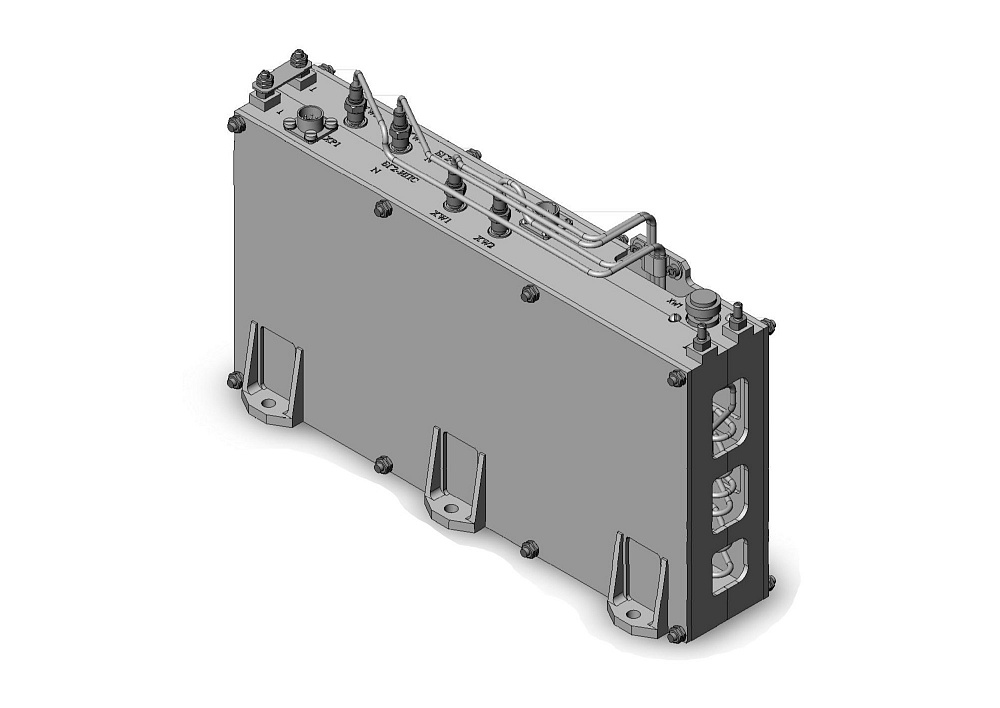
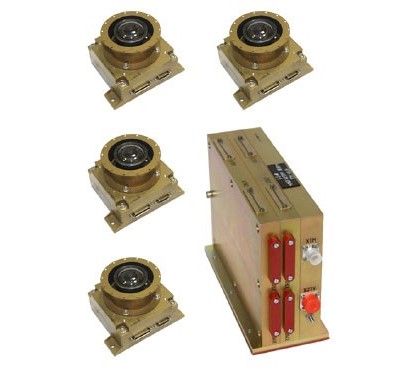
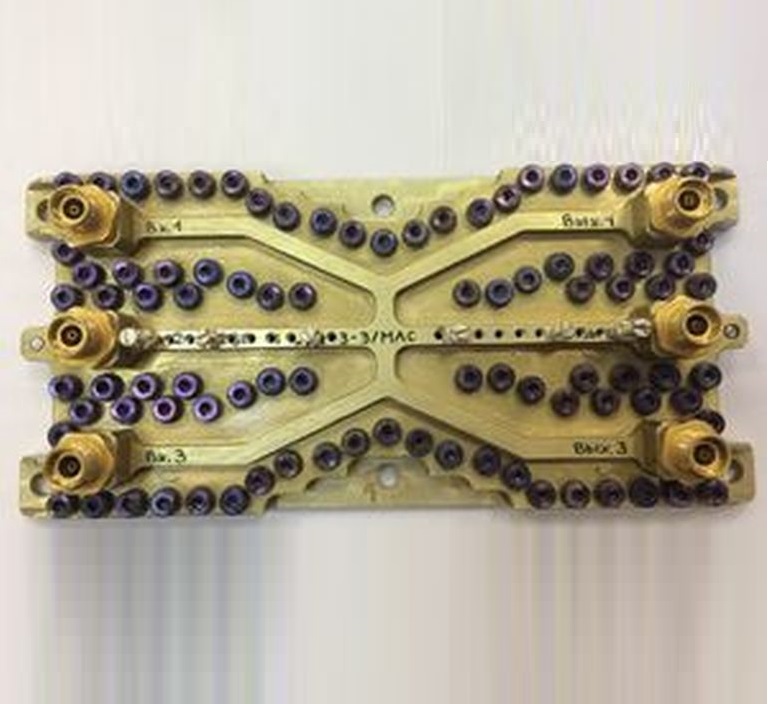
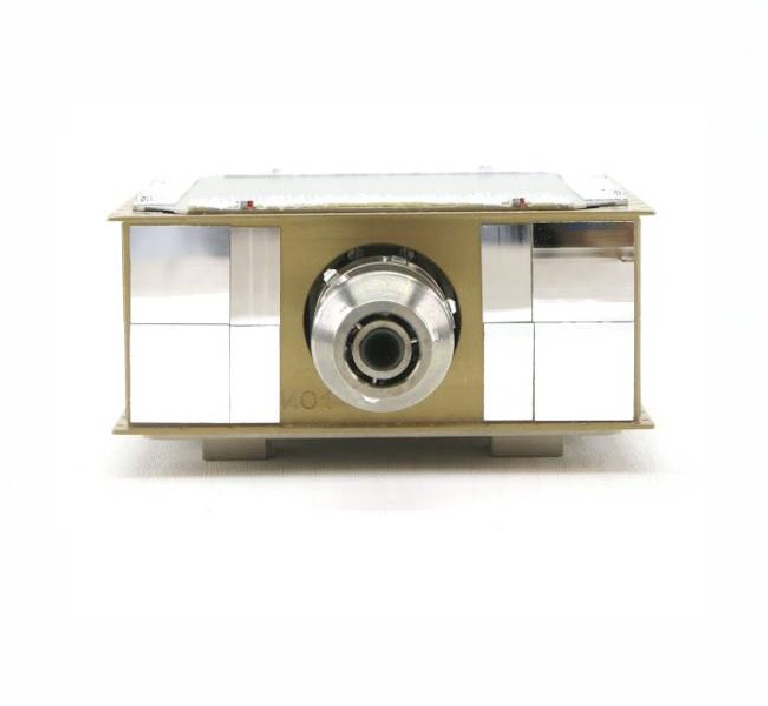
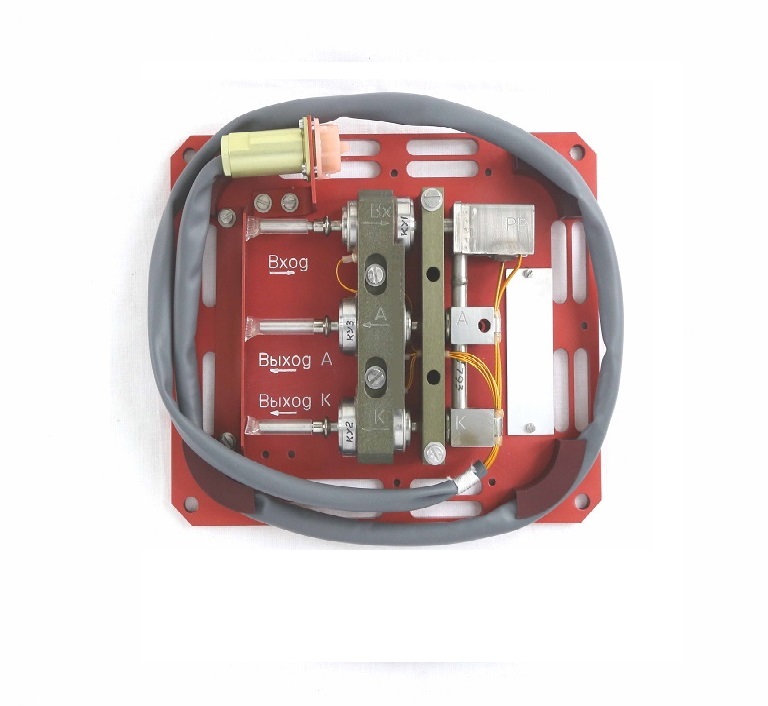
A passive high-frequency X-band multiplexer that filters repeated X-band signals received from three transponders of a spacecraft's flight communication equipment.

1 10

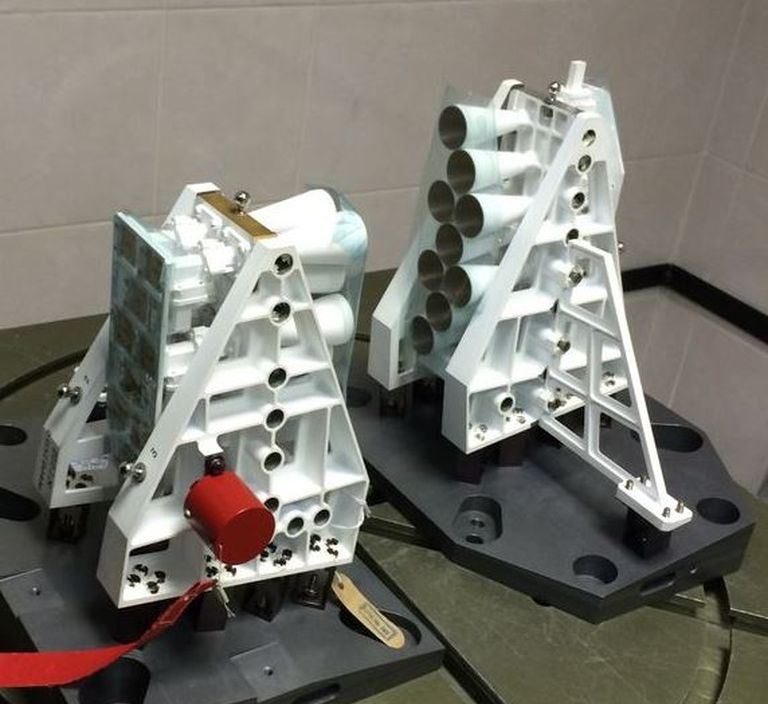
The 3TU Thruster Unit is a hydrazine-fueled propulsion system designed for spacecraft orientation and attitude control, featuring eight thermocatalytic low thrusters.

2 9

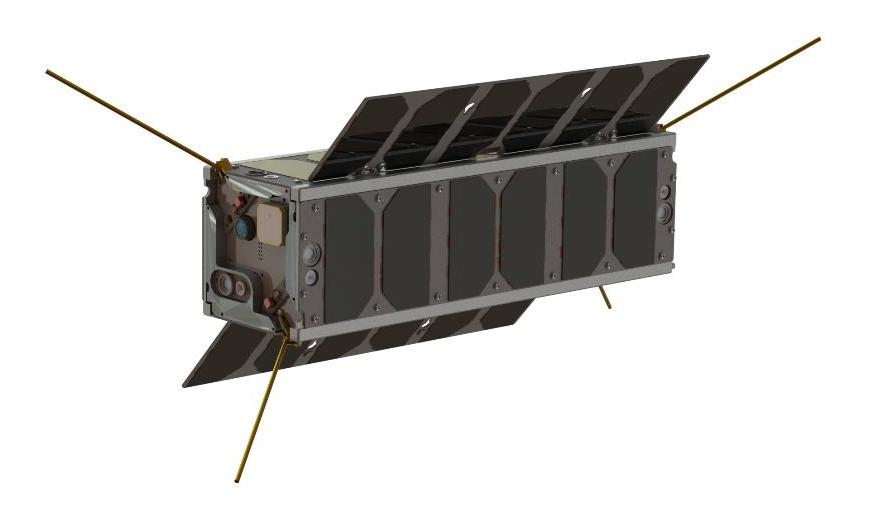
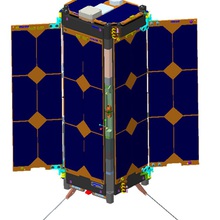
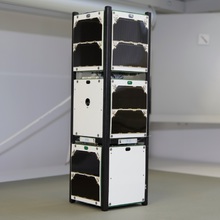
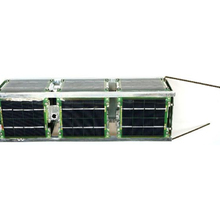
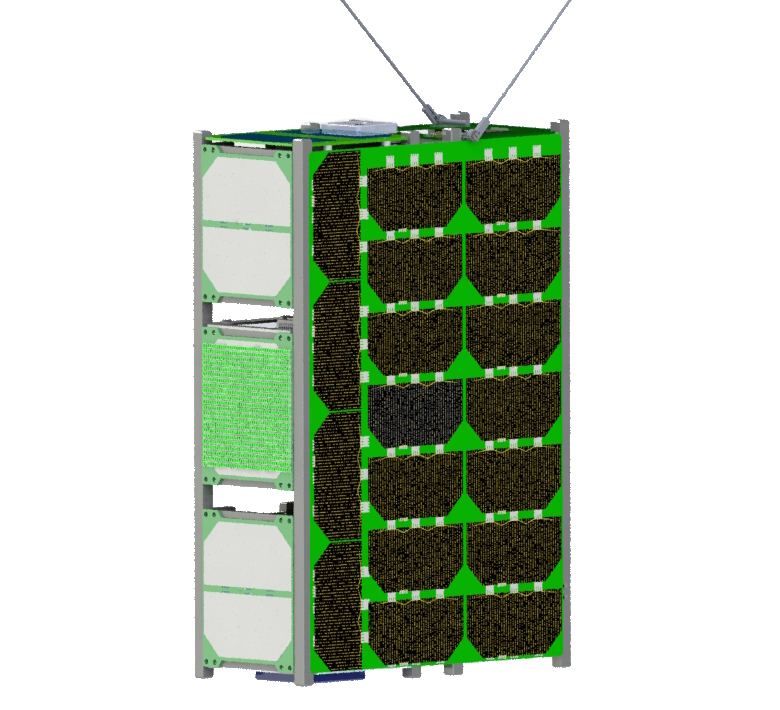
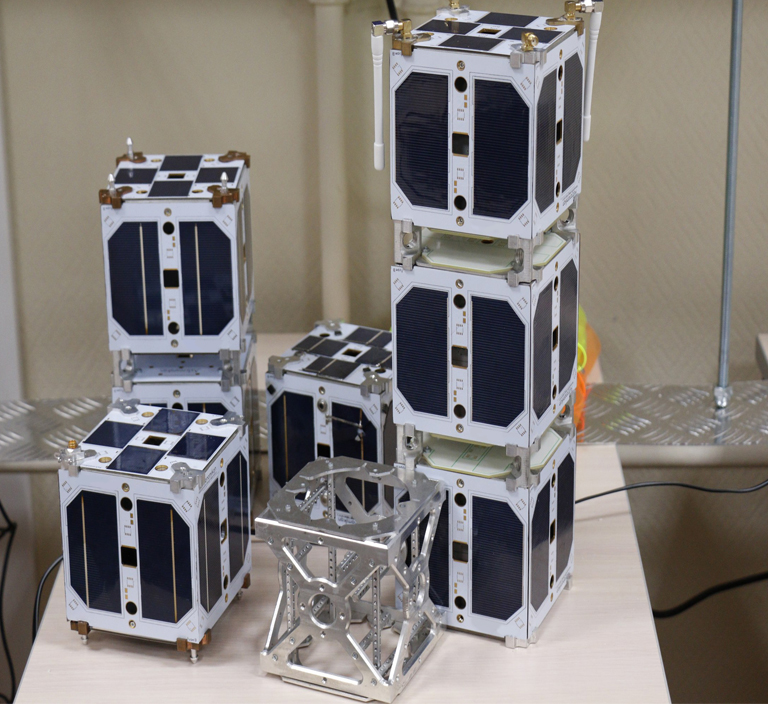
The 3U Cubesat Platform is a universal satellite bus designed for operation in space conditions at altitudes up to 1500 km, offering adaptability to customer requirements.

6 16

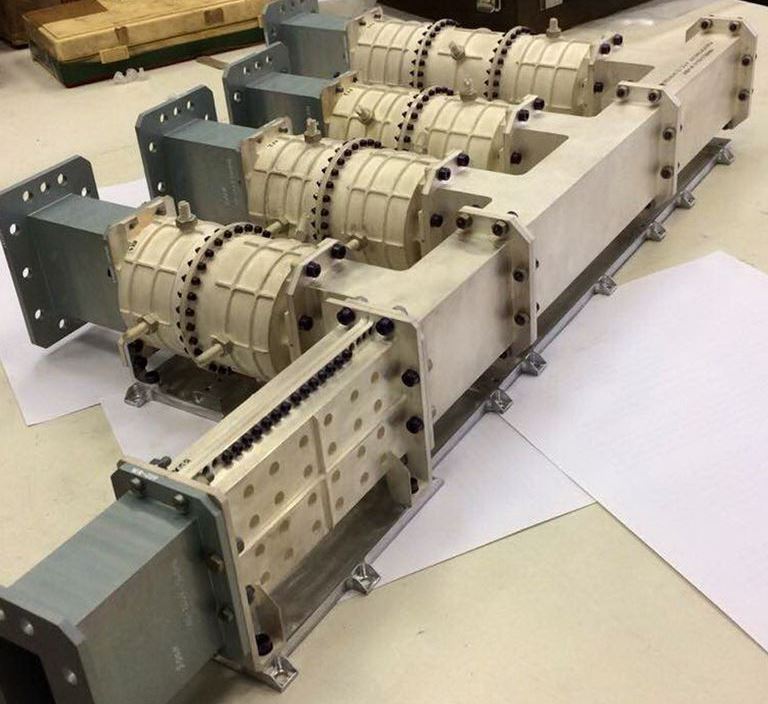
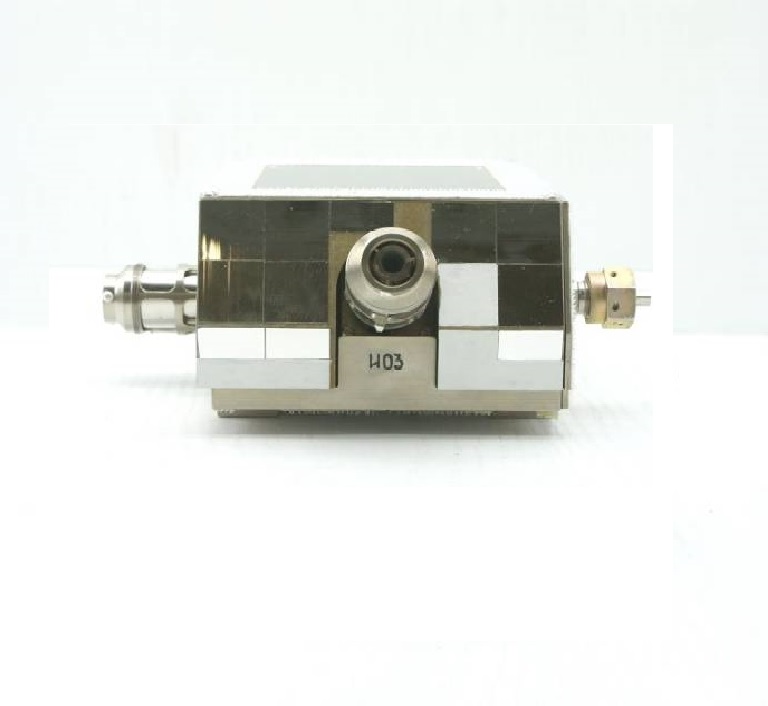
A passive C-band RF multiplexer that filters repeated signals from the four transfer devices of a spacecraft's flight communication equipment.

2 11

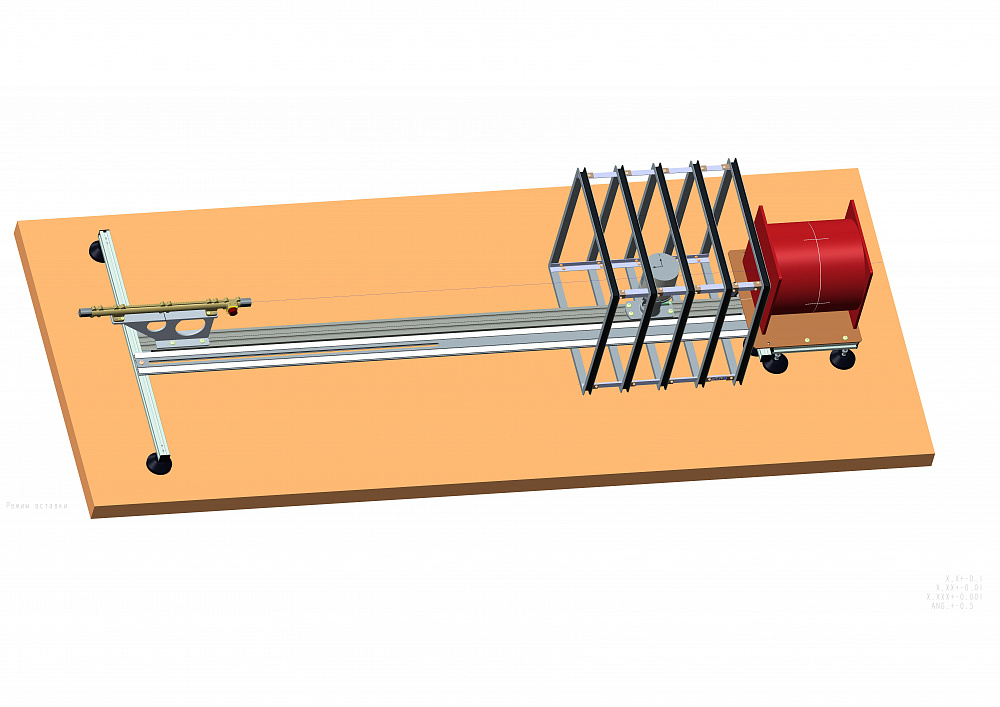
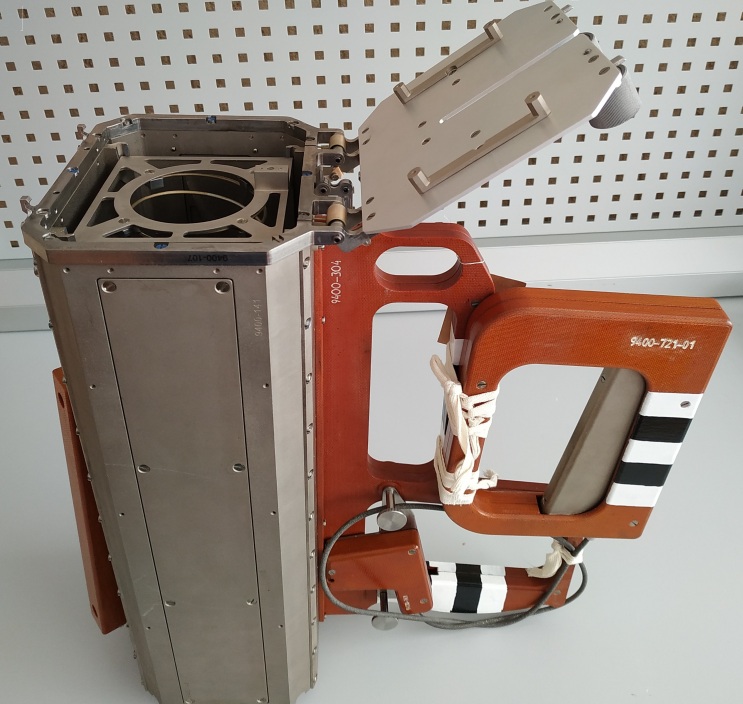
The SSCVE is a stationary control and verification equipment designed to measure and control the induction of magnetic fields generated by an EMU, proportional to the current flowing through its windings.

1 15
Flight-proven TRL 9 · Flight-proven

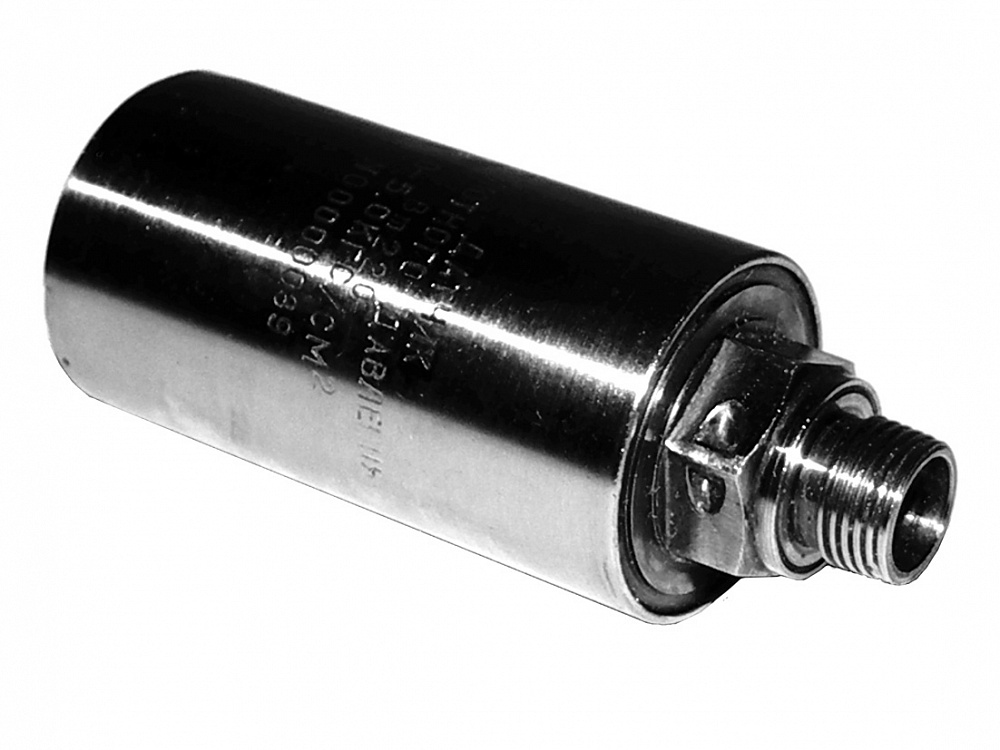
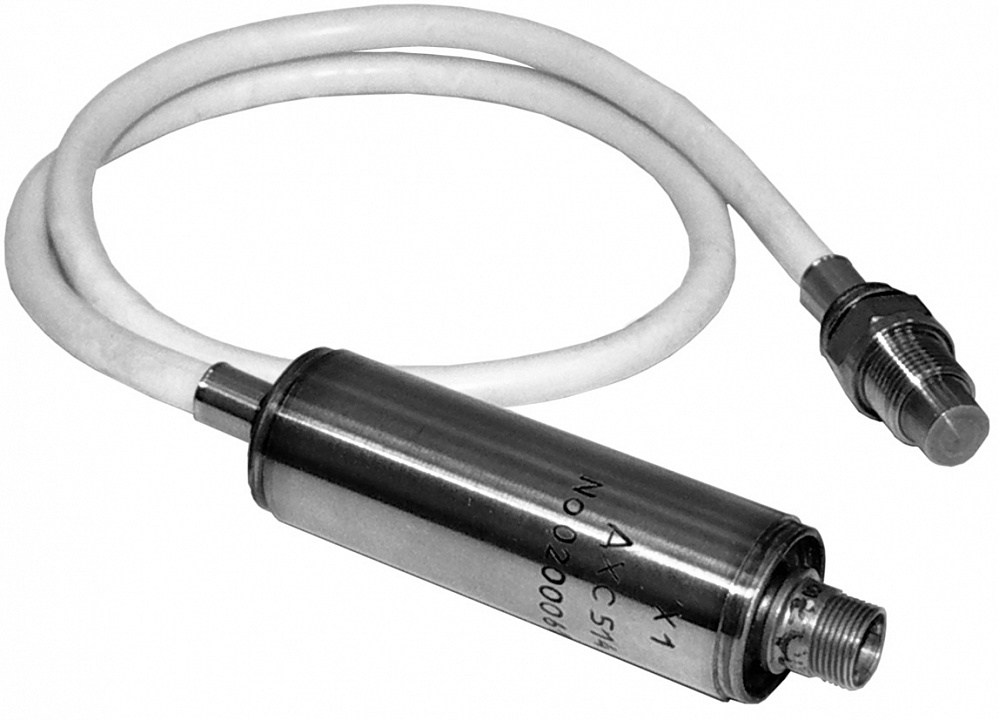
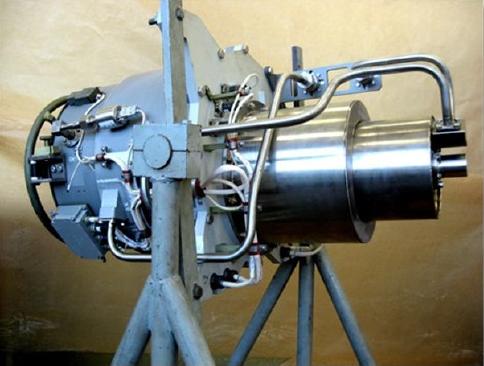
Flight-proven strain-gauge absolute pressure sensor (0–11 kPa, 5% error, 0.35 kg) for liquid rocket engine control and diagnostics.
1 13

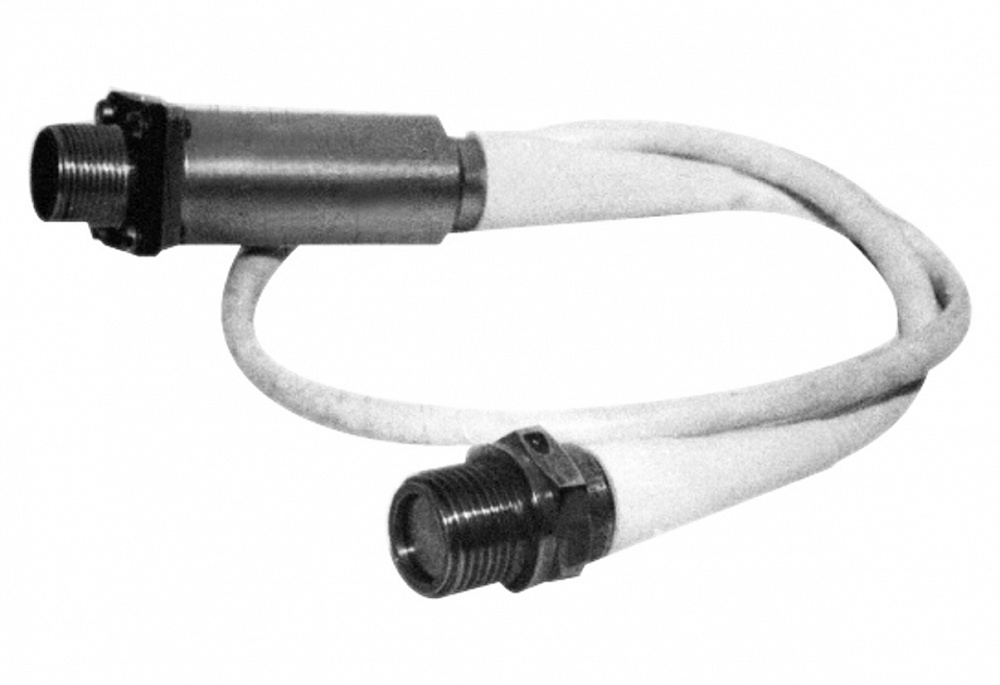
The Absolute Pressure Sensor Vt 220 is a flight-qualified strain gauge sensor designed to measure absolute pressure of liquid and gaseous media in satellite telecontrol and thermal control systems.

2 7

The Absolute Pressure Sensor Vt 222M is designed for measuring absolute pressure of gaseous and vaporous non-aggressive media in launch vehicle control systems, featuring high mechanical strength and flight qualification.

1 7

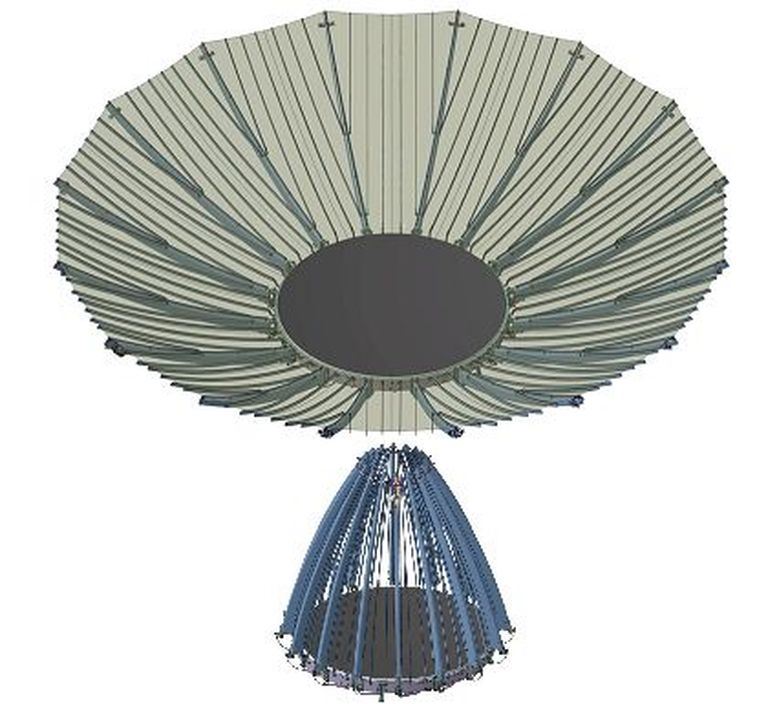
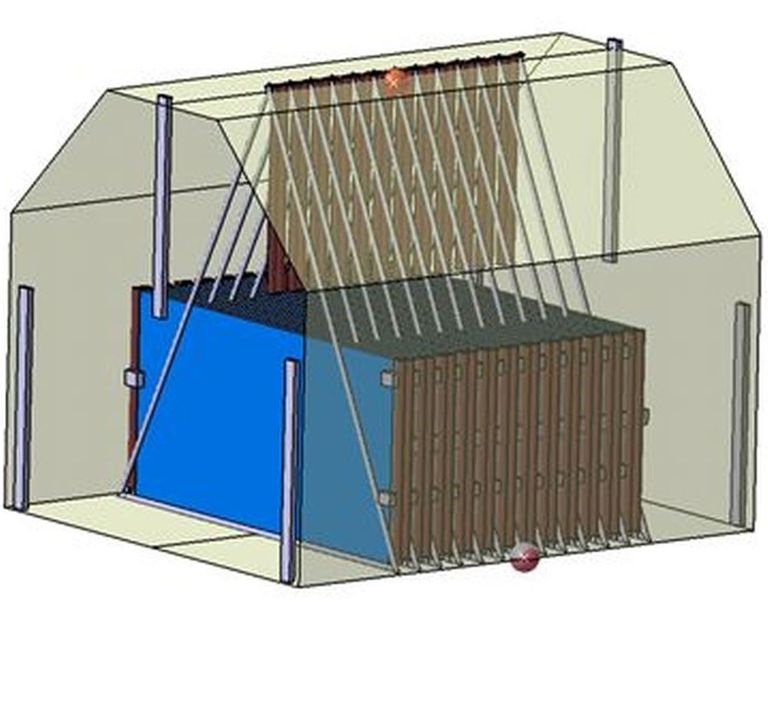
The Active Weightlessness System is a ground-based test equipment designed to simulate weightlessness for modal testing of large transformable spacecraft systems, including reflectors up to 50m in diameter. It also estimates dynamic parameters like velocity and acceleration during suspension.

1 6

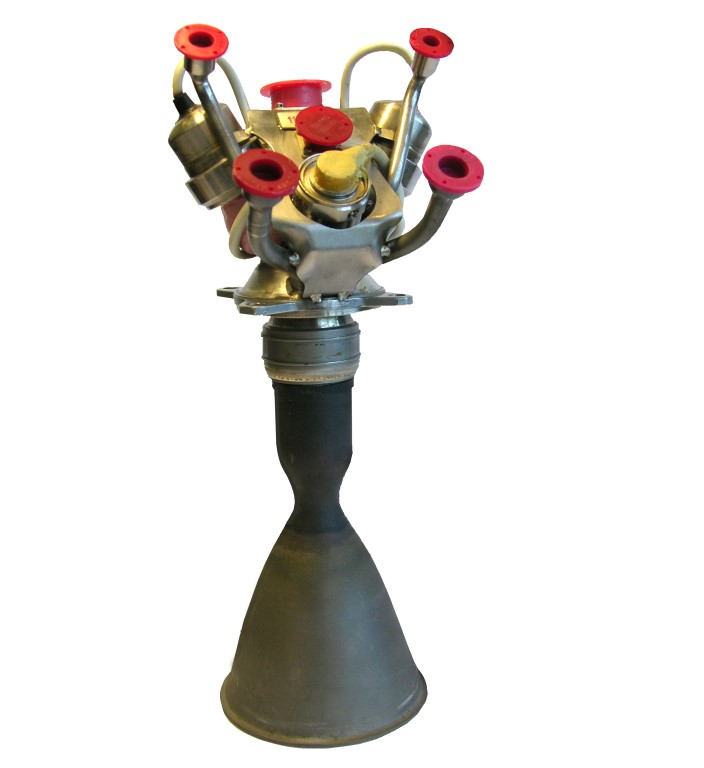
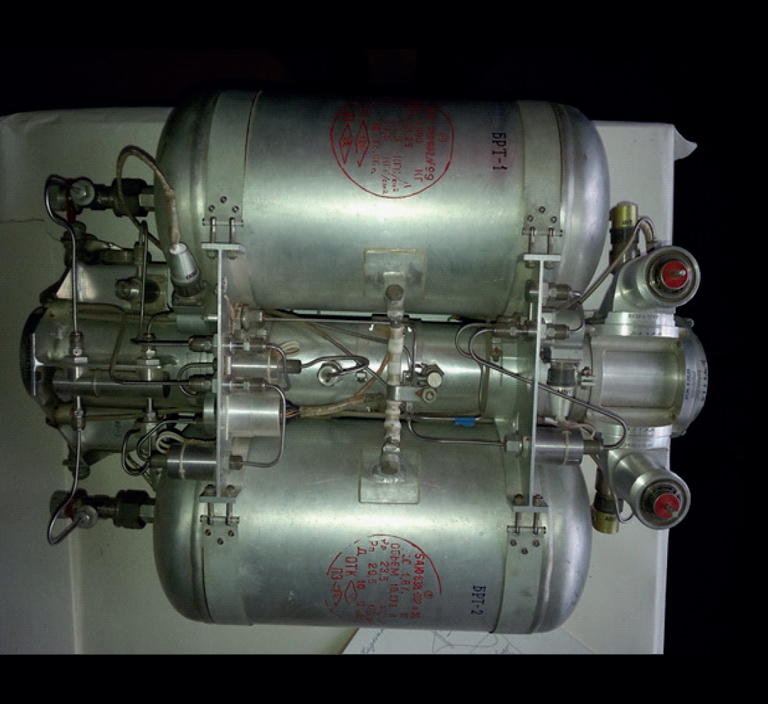
The Adjustment and Braking Engine is a four-chamber propulsion system designed for unmanned spacecraft reactive control, orbit control, and braking maneuvers, utilizing UDMH/NTO propellants.

1 15

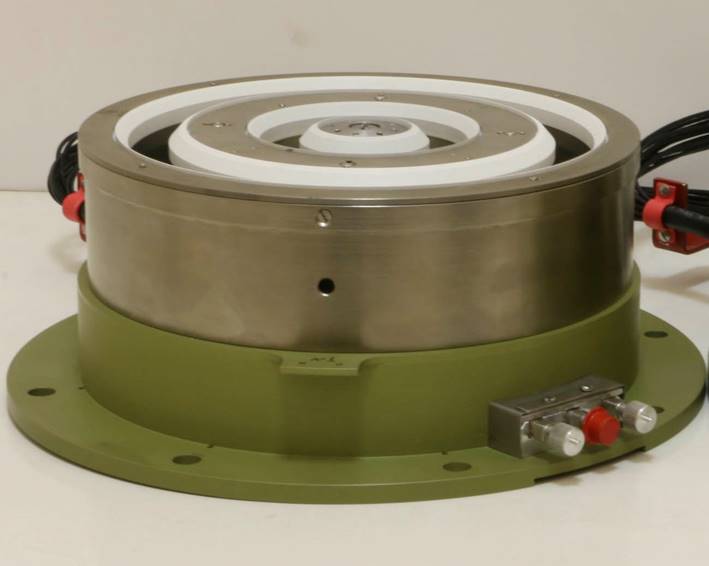
A ground support equipment complex for filling prepared fuel components (temperature- and gas-content-conditioned) into launch vehicle or spacecraft tanks using compressed gas pressurization.
4 9

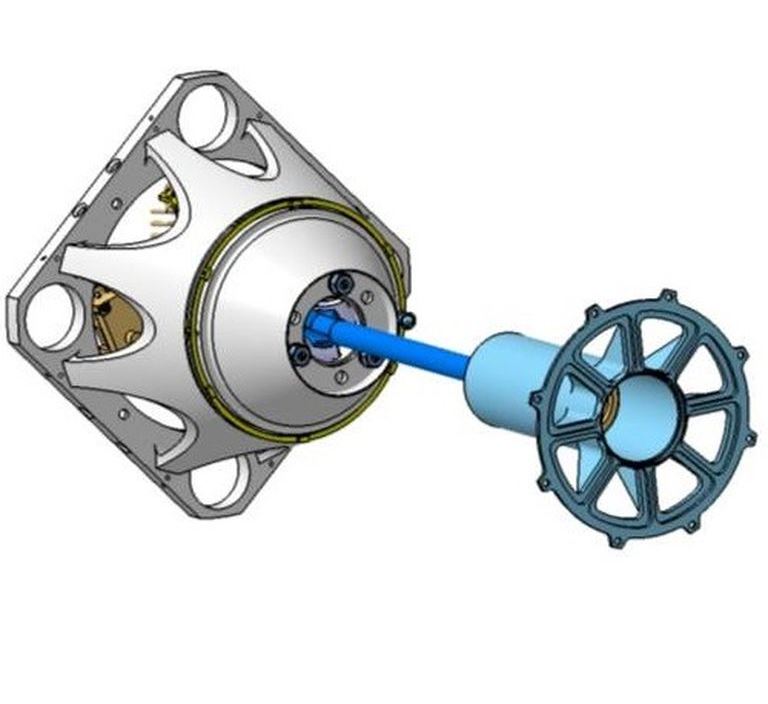
Rotates through 360° along one axis (vertical), the possibility of rotation in two horizontal axises is limited. Air bearing consists of a pedestal and hemisphere-form bearing. The bearing is attached to the moving platform with small satellite or layout of satellite . Also the air bearing includes

1 3

Rotates through 360° along one axis (vertical), the possibility of rotation in two horizontal axises is limited. Air bearing consists of a pedestal and hemisphere-form bearing. The bearing is attached to the moving platform with small satellite or layout of satellite. Also the air bearing includes a

1 3

Rotates through 360° along one axis (vertical), the possibility of rotation in two horizontal axises is limited. Air bearing consists of a pedestal and hemisphere-form bearing. The bearing is attached to the moving platform with small satellite or layout of satellite. Also the air bearing includes a

3

Rotates through 360° along one axis (vertical), the possibility of rotation in two horizontal axises is limited. Air bearing consists of a pedestal and hemisphere-form bearing. The bearing is attached to the moving platform with small satellite or layout of satellite. Also the air bearing includes a

3

An Altitude Control System (ACS) designed for spacecraft, providing orientation accuracy of 1 degree and stabilization accuracy of 30 deg. s/s, with communication via CAN and debug interfaces including USB and Bluetooth 3.0.

2 13

Analog transceiver circuit ORTD-LSN, together with DRT-LSN, is intended for use in the equipment of base stations and subscriber terminals of the local navigation system. Separately, VLSI ORTD-LSN can be used as the basis of the analog path in equipment for receiving and transmitting signals in the

1 9

An angular accelerometer designed for integration into gyro-stabilized platforms, providing measurement of apparent acceleration for ballistic and space equipment.

2 9
Flight-proven

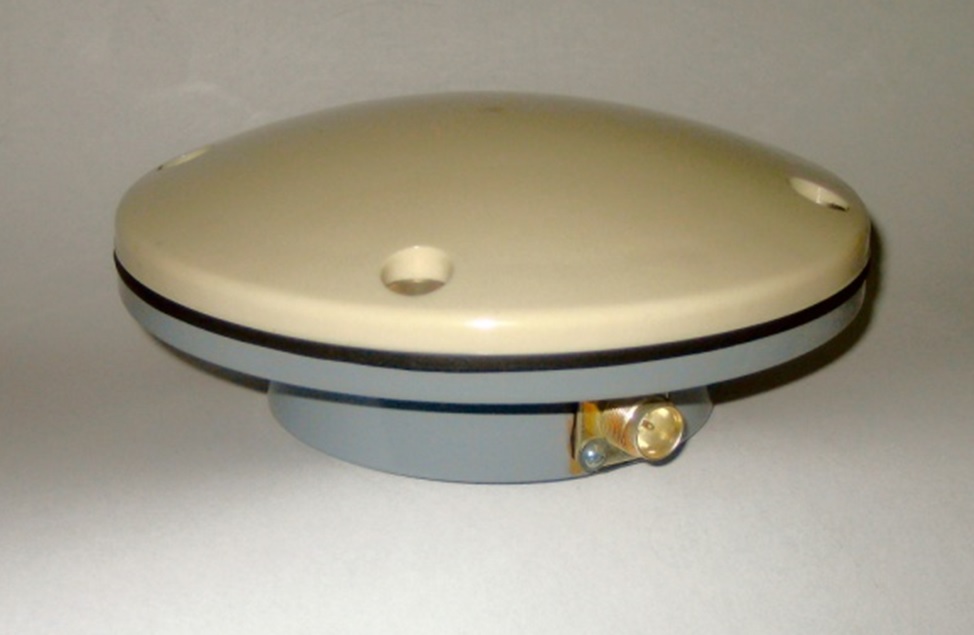
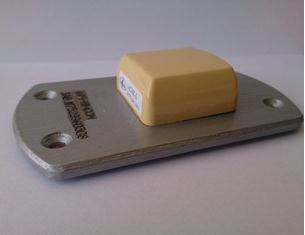
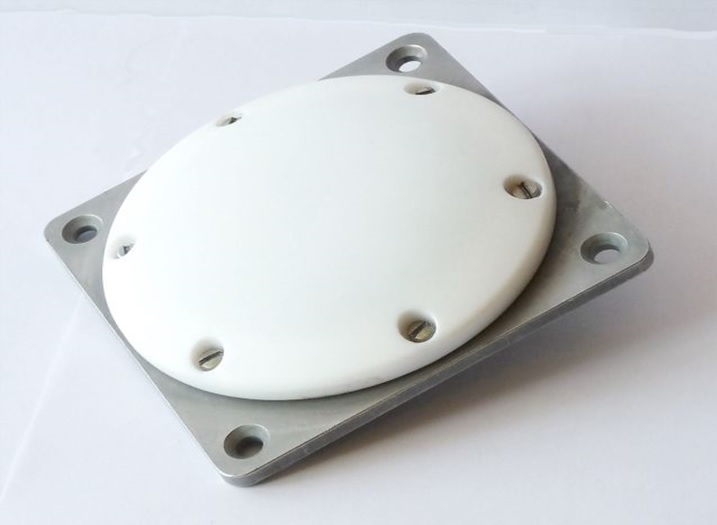
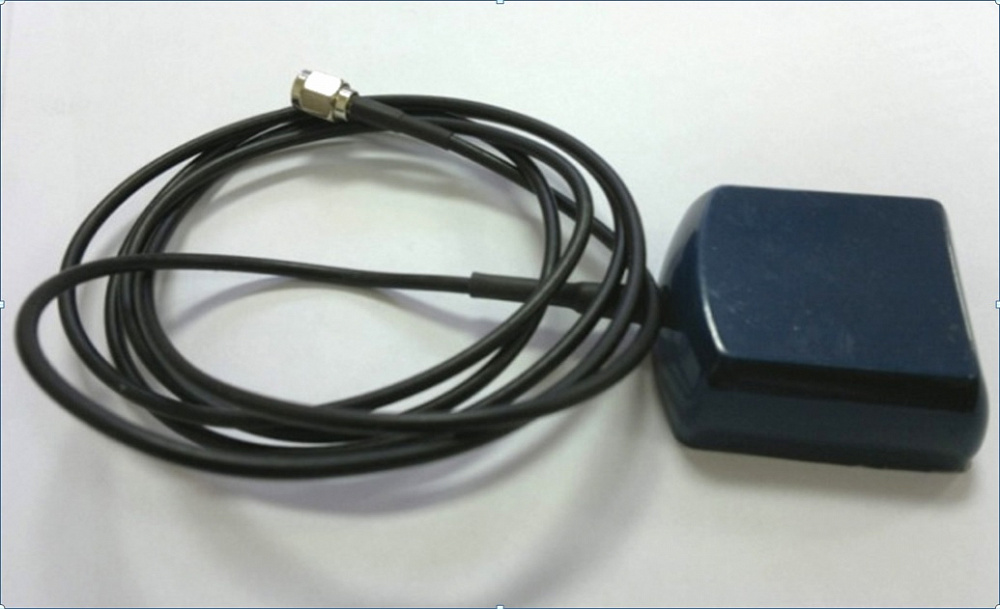
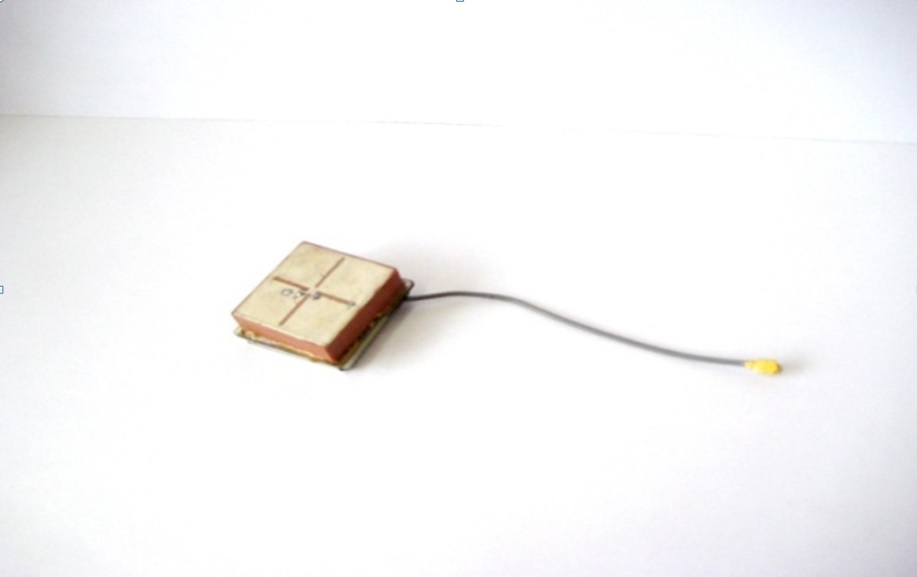
Dual-band active GPS/GLONASS antenna module for fixed and portable navigation receivers.

1 12

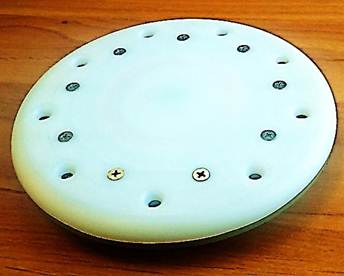
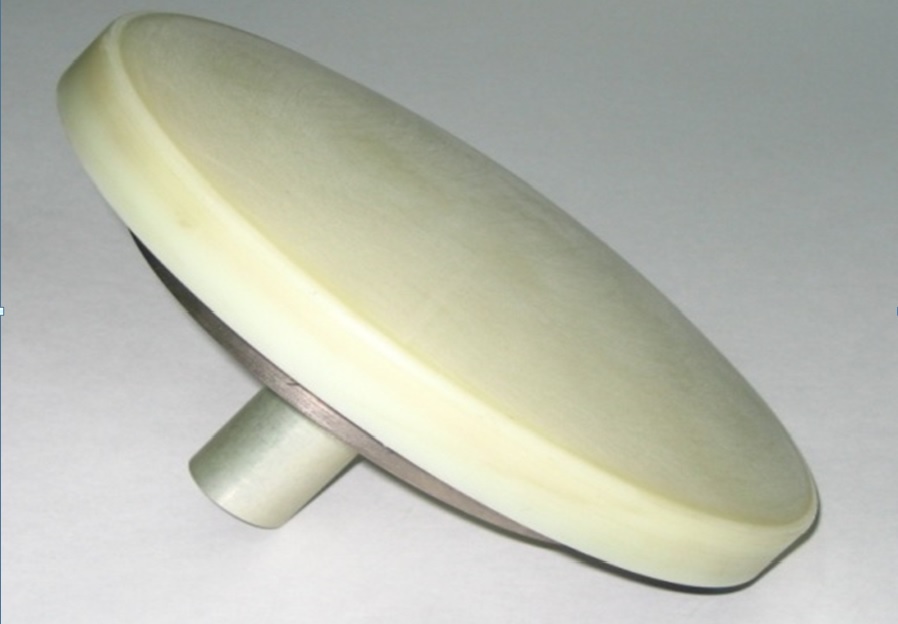
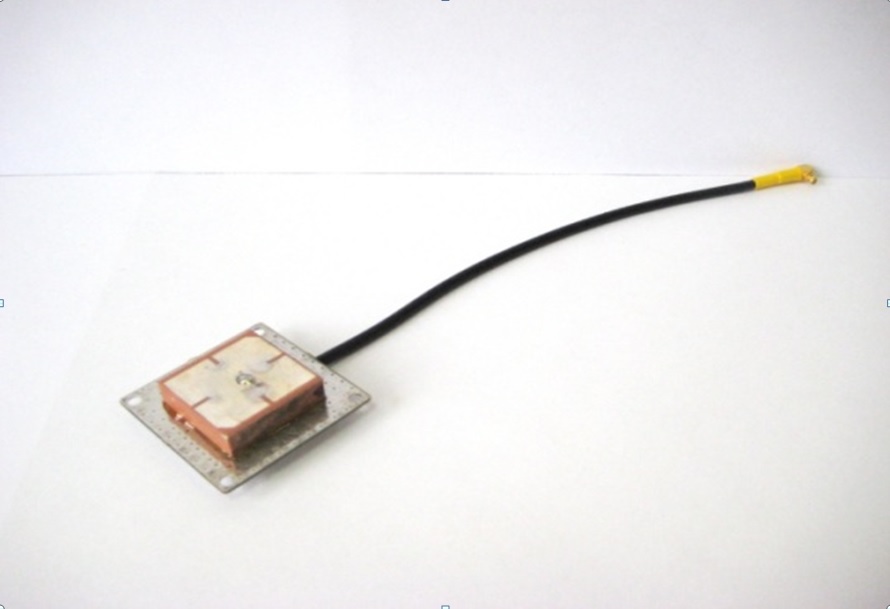
An all-ceramic active GLONASS/GPS antenna module for wearable satellite navigation receivers, operating through space navigation systems.

1 15

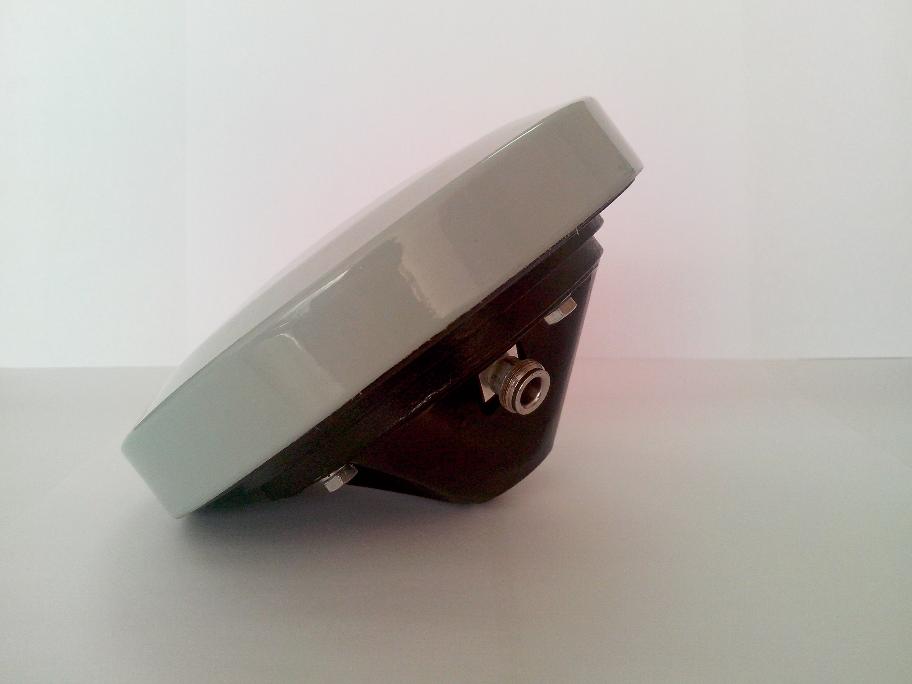
Aircraft-mounted antenna for Cospas-Sarsat aviation radiobeacons, operating across the 121.45–406.1 MHz emergency beacon frequency bands via satellite navigation systems.

1 14

A flight-qualified on-board antenna array designed for forming required servicing areas and signal reception within P, L, and S frequency bands.

2 3

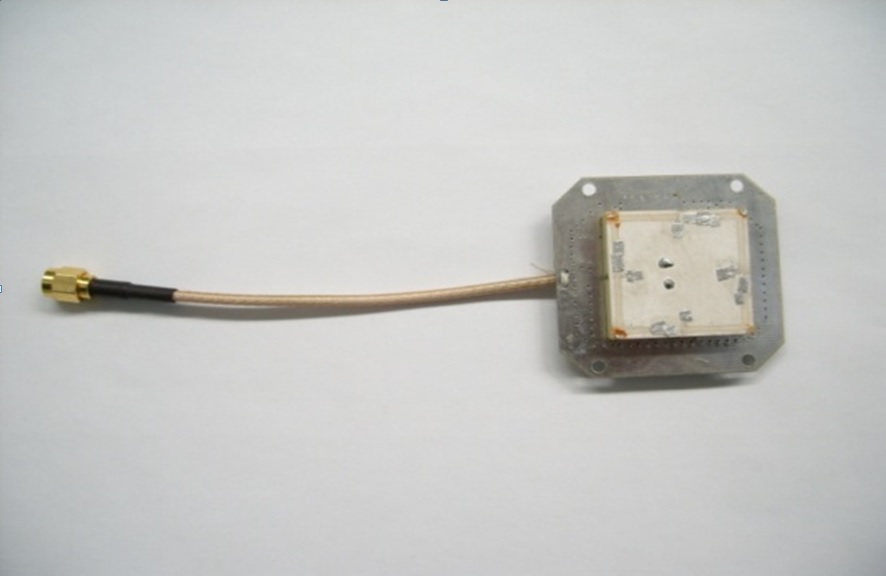
The Antenna ASNB-1 is a microstrip active antenna module designed for GLONASS/GPS on-board dual-band navigation receivers, specifically for rocket technology applications.

2 16

A microstrip active antenna module for onboard GPS/GLONASS/GALILEO/BEIDOU satellite navigation system (SNS) equipment.

1 16

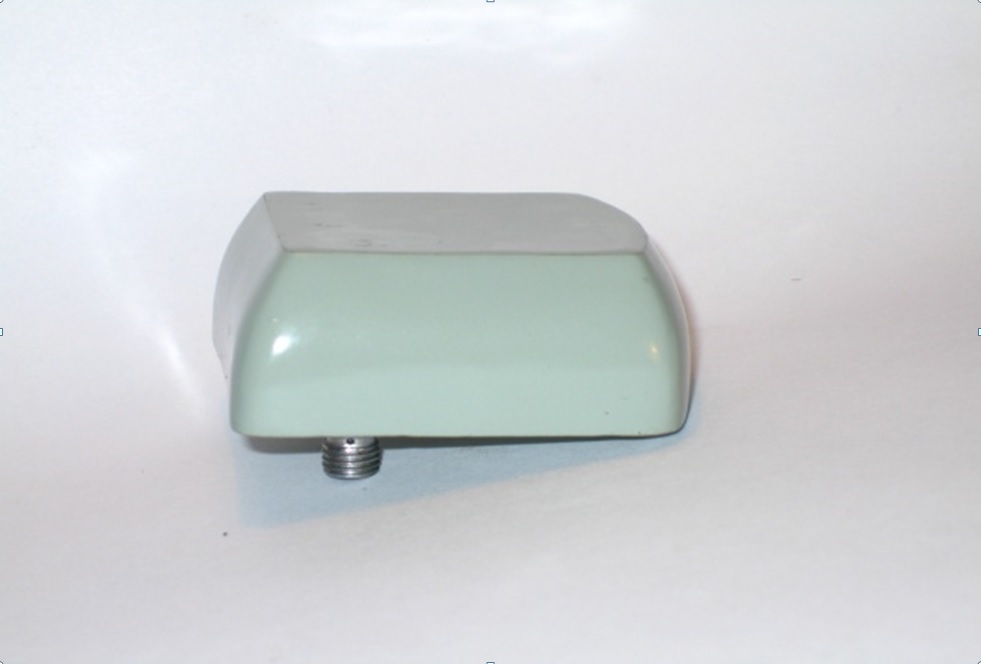
The Antenna ASNG-2 is an active geodesic antenna designed for use with GLONASS/GPS surveying equipment, featuring rear radiation cut-off.

2 16

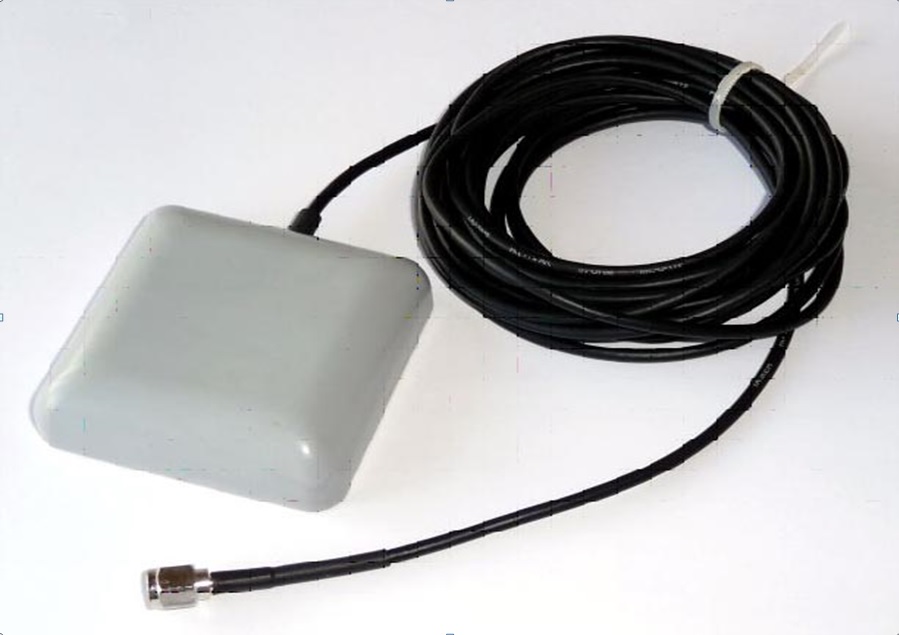
Active geodesic antenna for GLONASS/GPS surveying equipment, operating through space navigation systems with rear radiation cut-off.

1 16

A wearable, all-ceramic active antenna module for GLONASS/GPS navigation, designed to work with satellite navigation systems.

1 16

The Antenna ASNK-2 is an all-ceramic active antenna module designed for GLONASS/GPS wearable receivers, enabling operation through space navigation systems.

1 16

The ASNM-6 is a microstrip active antenna module designed for use with stationary and transportable dual-band GLONASS/GPS navigation receivers, operating through space navigation systems.

1 16

Microstrip active antenna module for a personal GLONASS/GPS receiver, operating via satellite navigation systems (SNS).

1 16

Microstrip active antenna module for personal GLONASS/GPS receivers, designed to work through satellite navigation systems (SNS).

1 16

The Antenna ASNP-4 is a microstrip active antenna module designed for use with GLONASS/GPS wearable dual-band navigation receivers, operating within space navigation systems.

2 16

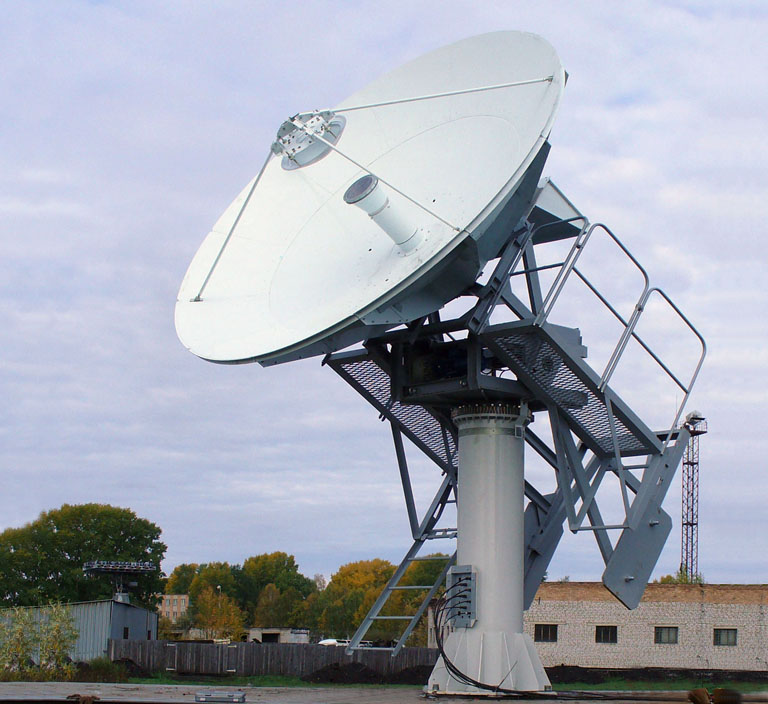
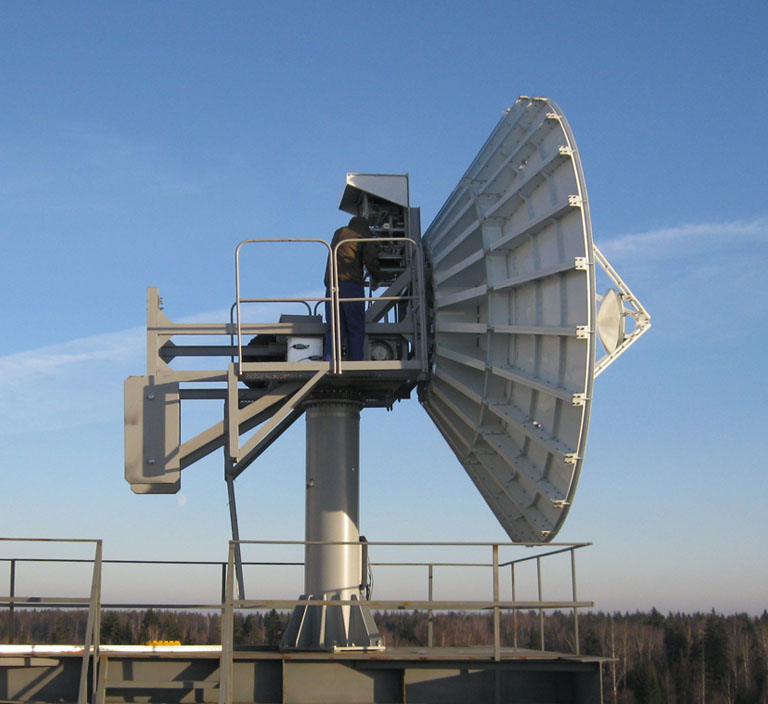
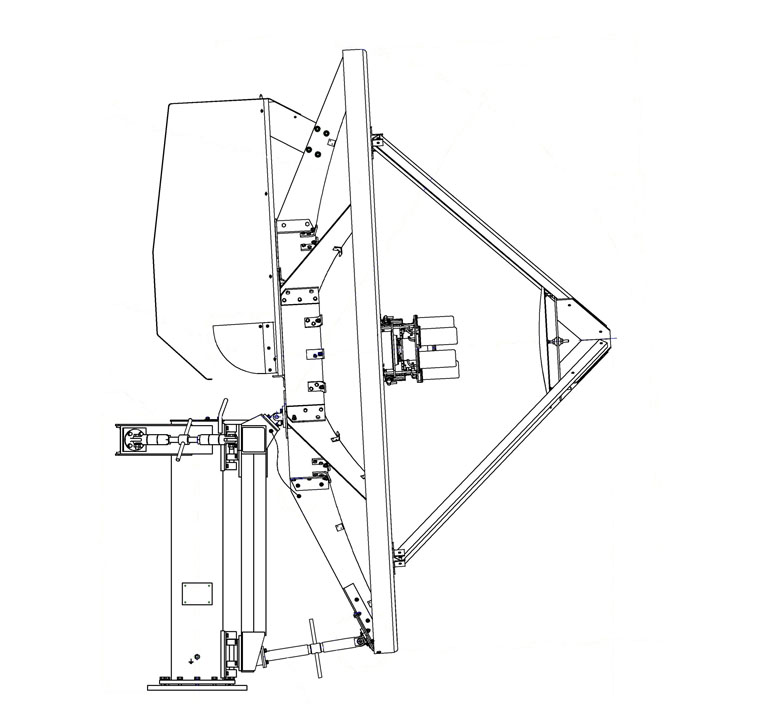
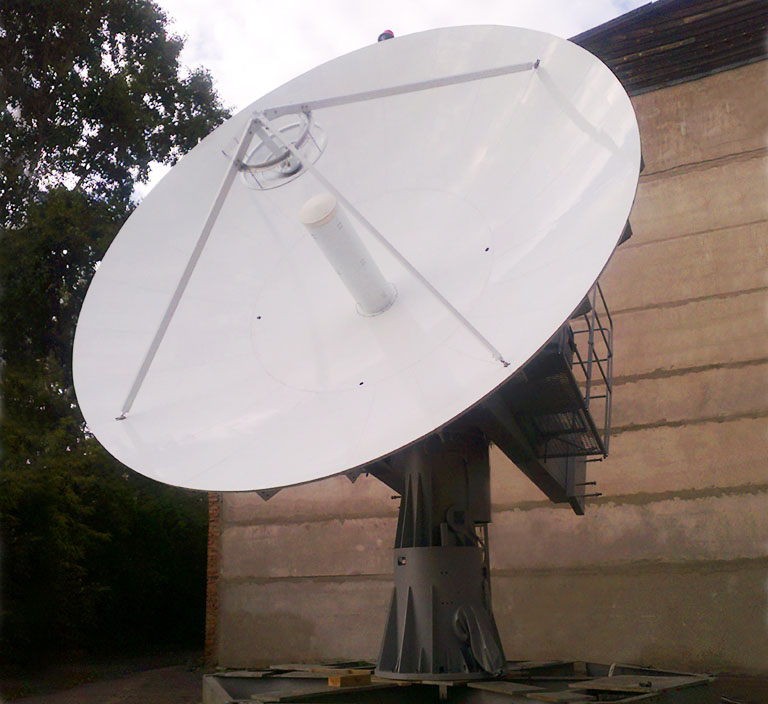
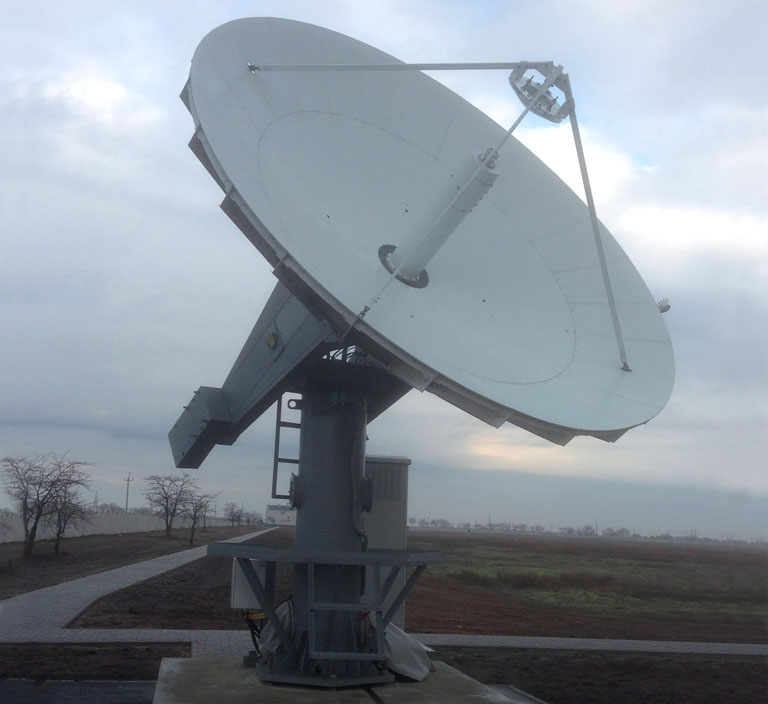
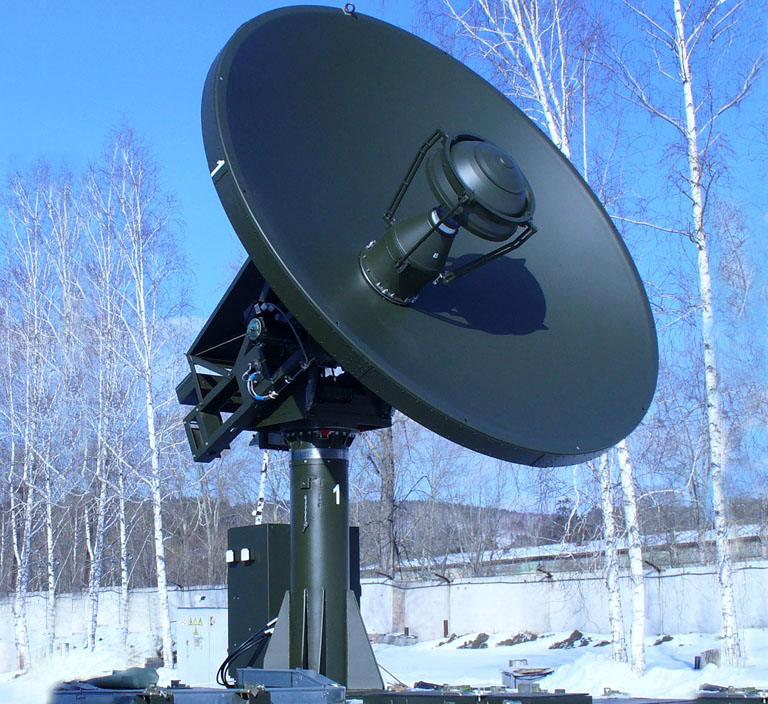
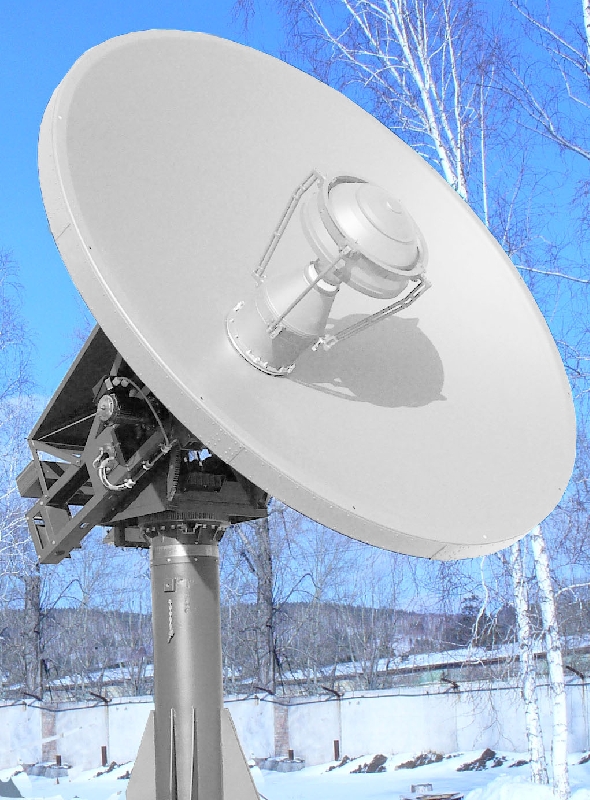
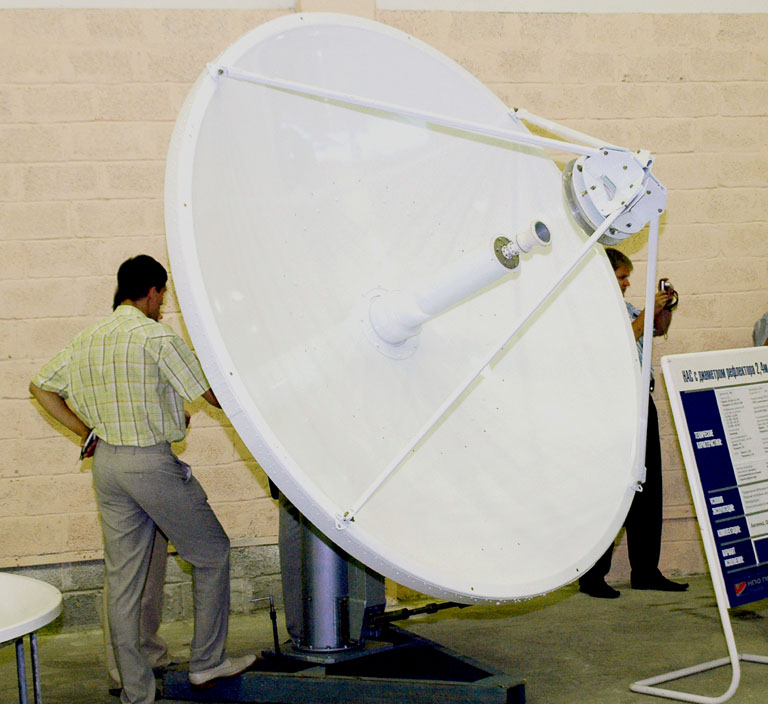
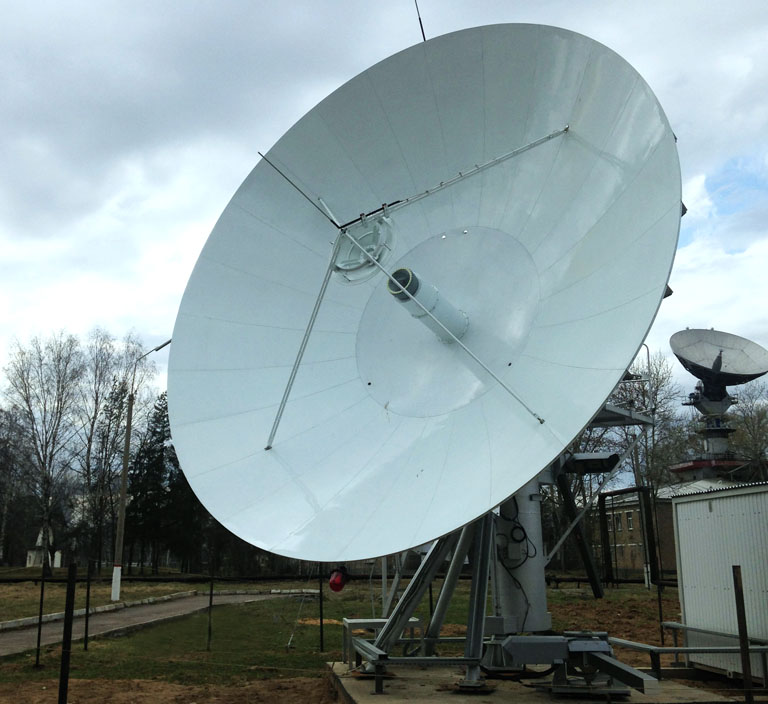
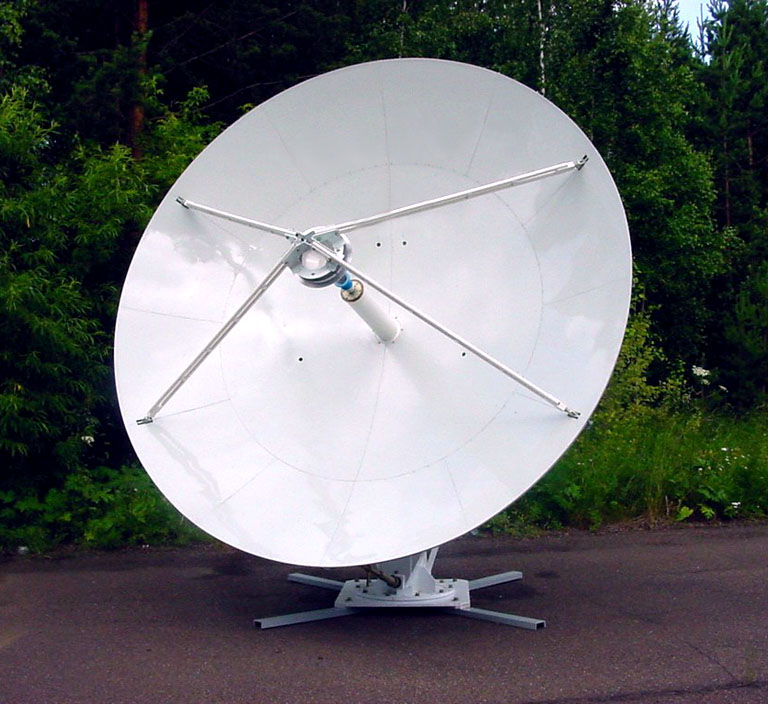
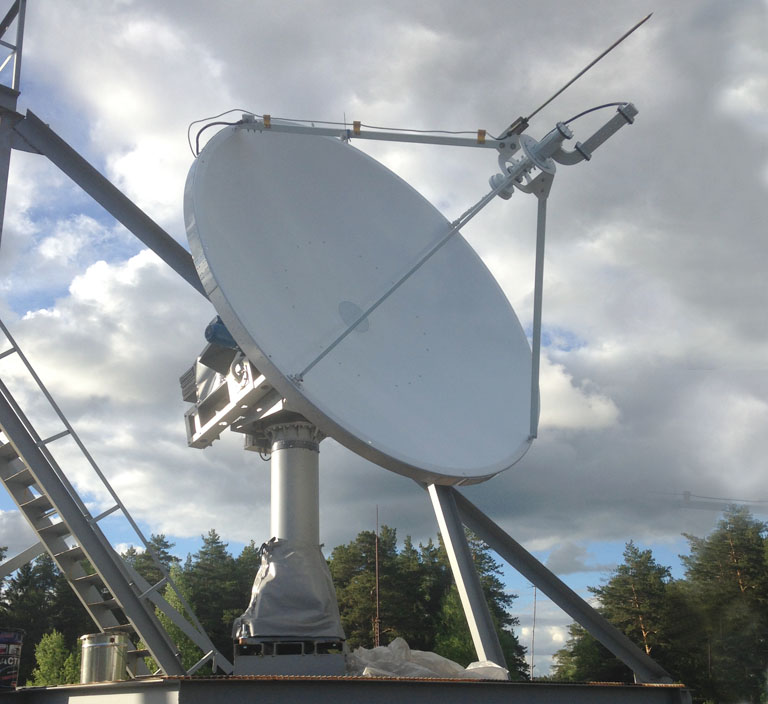
The Antenna feeder device is a transceiver single-mirror antenna system with a 2.4m reflector, designed for C-band satellite communications earth stations.

1 15

The Antenna Feeder Device 3 is a C-band ground station antenna system designed for satellite communications, featuring a 3.7m Cassegrain reflector and electromechanical drives.

1 15

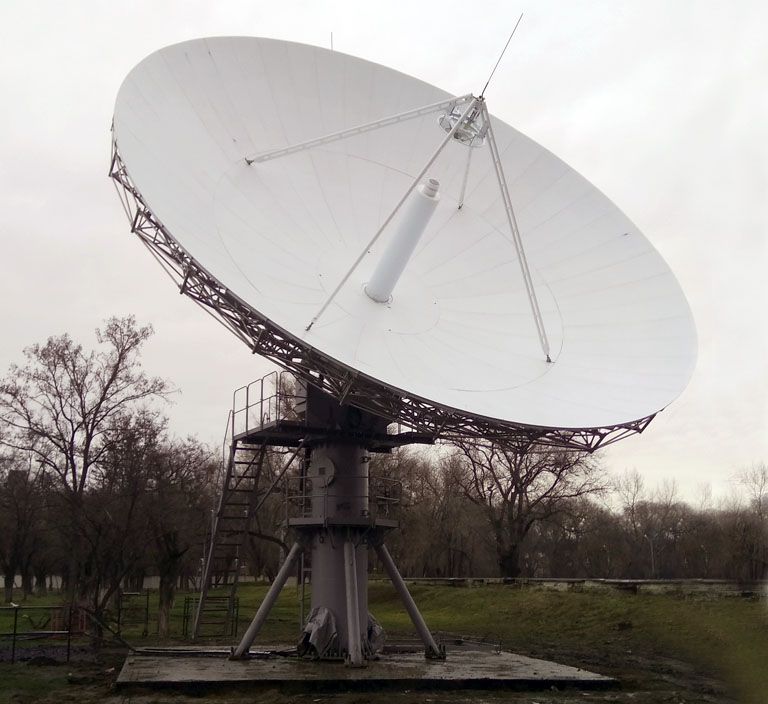
The Antenna Feeder Device 4 is a C-band ground station antenna system with a 4.5m reflector, designed for satellite communications, featuring a Cassegrain system and electromechanical drives.

2 15

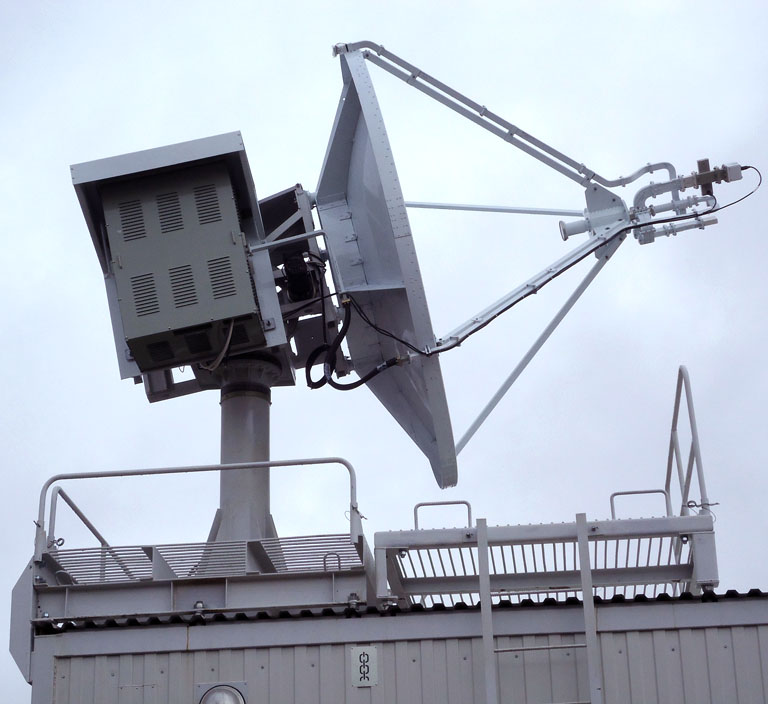
The AC-25KRL-Ku/S is an antenna feeder device designed for satellite earth stations, operating in S and Ku bands with a 2.4m reflector.

1 14

A transportable microstrip active GPS/GLONASS navigation antenna module for armored vehicles, operating through space navigation systems (SNS).

1 16

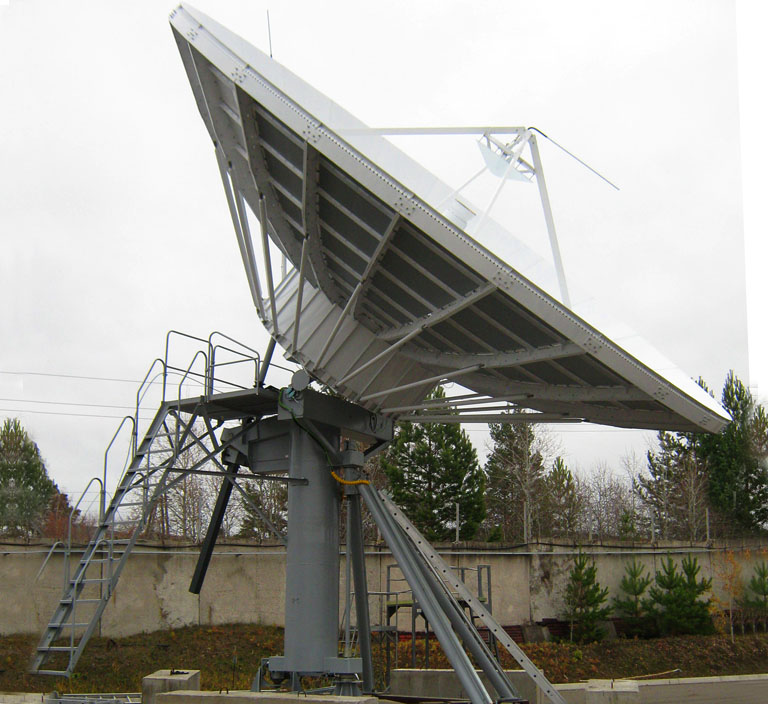
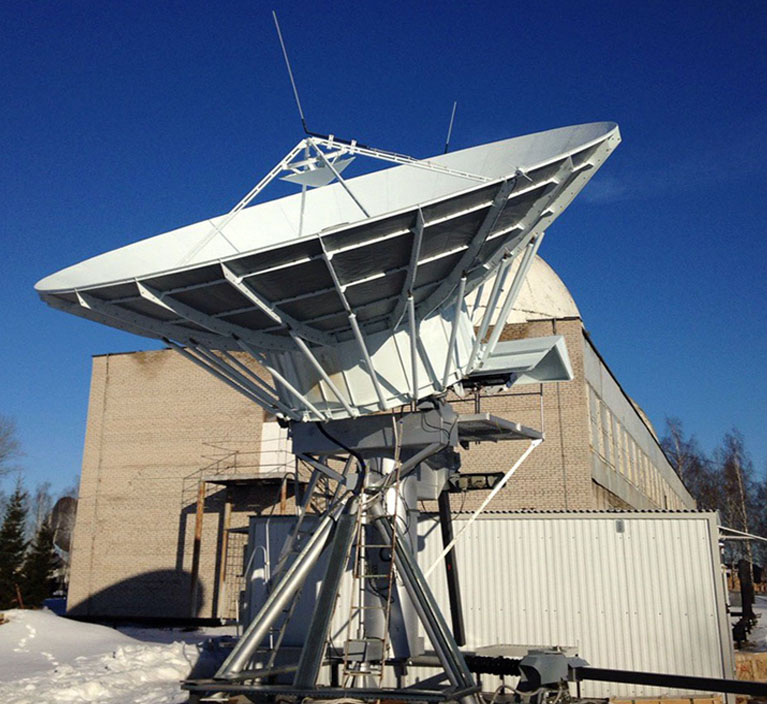
The Antenna Post L- and S-bands is a 6.0m Cassegrain antenna system designed for satellite communications earth stations, operating in L- and S-bands with circular right polarization.

1 12

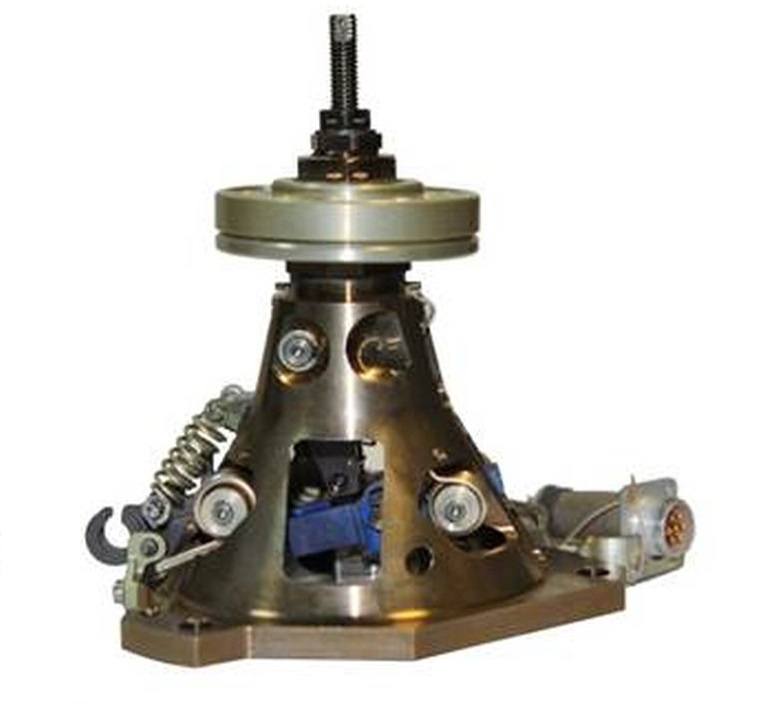
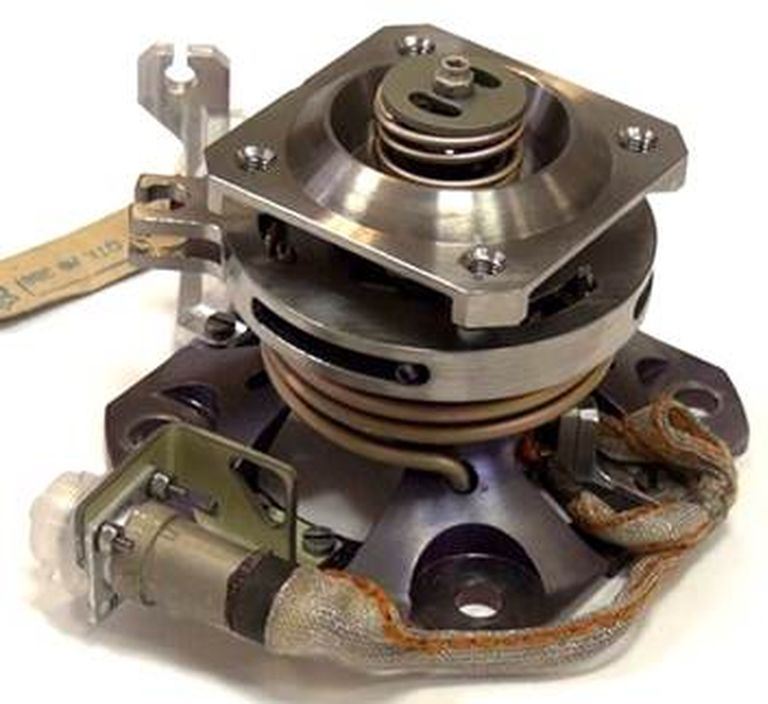
A mechanical hold-down lock designed to secure antenna reflectors in the stowed position on spacecraft.

2 8

A mechanical hold-down lock designed to secure antenna reflectors in their stowed position during launch and orbital maneuvers, featuring a clamping force of 400 kg.

2 9

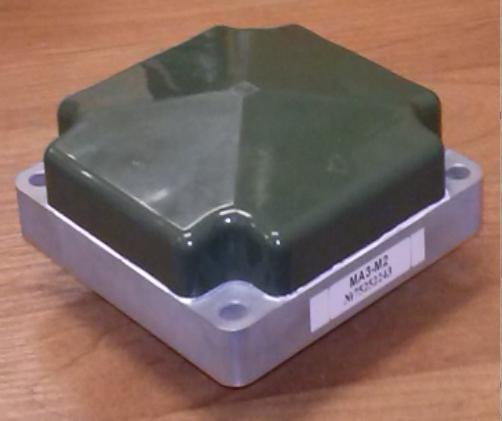
The Antenna SA2-M is a dual-band active antenna module designed for ground equipment of Doppler systems, working through space navigation systems.

1 13

A 4.1-meter Ka-band antenna system designed for receiving signals from geostationary orbit (GSO) satellites, featuring a Cassegrain design with electromechanical drives and remote polarization switching.

1 14

A two-mirror receiving and transmitting antenna system with a 7.2 m reflector, designed for C-band satellite communications earth stations.

1 15

A 7.2-meter Cassegrain antenna system designed for satellite communications earth stations, capable of receiving spacecraft signals in C and Ku bands.

1 14

The Antenna System 7.2 m C/Ku/Ka is a receiving two-mirror Cassegrain antenna designed for satellite communications earth stations to receive spacecraft signals across S-Ku-Ka bands.

1 12

A 7.2-meter Cassegrain antenna system designed for satellite communications earth stations, capable of receiving spacecraft signals in L, S, and X-bands with remote polarization switching.

1 14

The Antenna System 9.3 M AC93R-C/Ku is a two-mirror Cassegrain antenna designed for satellite earth stations to receive signals in the C and Ku frequency bands.

1 13

The Antenna-feeder Device (AFD) Ionosphere is designed for transmitting radio signals from a spacecraft's onboard transmitter to ground receiving points and for emitting coherent radio signals from a Mayak airborne transmitter into the lower hemisphere.

2 9
Flight-proven

The Antenna-feeder Device (AFD) MBITS-01 is an onboard telemetry antenna system for spacecraft, featuring a hemispherical communication diagram and a weight of 2.5 kg.

2 10
Flight-proven

The Antenna-feeder Device 475-2 is designed for transmitting, receiving, and relaying signals for geostationary spacecraft, with flight heritage on the 'Electro' satellite.

2 10

The Antenna-feeder Device 77531 is designed for on-board radio systems of the 'Meteor-M' spacecraft to transmit meteorological signals to an information receiving station.

2 10

The Antenna-feeder Device BASN is designed to receive navigation signals from GLONASS and GPS satellites, featuring flight qualification and heritage on the Meteor-3M spacecraft.

2 10

The Antenna-feeder Device BIS-MV is designed for on-board radio systems of spacecraft, enabling the transmission of low-resolution meteorological signals.

2 10
Flight-proven TRL 9 · Flight-proven

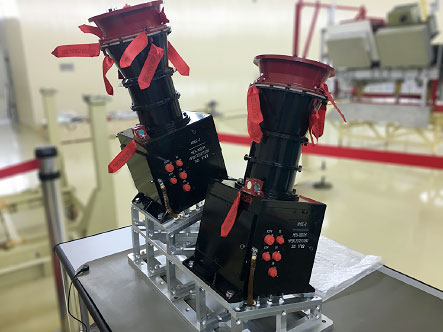
Ku/Ka-band active relay AFD (13.5/15 GHz, 41 dBi gain, 55 kg, ±180°/±120° pointing) for ISS science-power module to ground station relay.
1 16
Flight-proven

The Antenna-feeder Device TKS is designed for simultaneous reception and transmission of high-frequency radio signals in the 2 GHz range, with flight heritage on several spacecraft.

2 10

The Antenna-feeder System 9.3 m is a Cassegrain-type transceiver two-mirror antenna system designed for satellite communications earth stations operating in the C-band.

1 15

Glavkosmos offers development, manufacturing, and testing services for spacecraft antenna-feeder systems, including radio engineering tests in anechoic chambers.

3 4

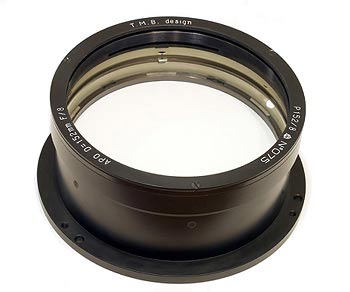
Apochromatic lens objectives for astronomic telescopes, forming a complete telescope set with clear apertures from 100 to 500 mm.

2 8

The ARC Regulation and Control Equipment is a monoblock system designed for regulating and monitoring the power supply system of manned spacecraft, capable of operating in vacuum.

1 15
Flight-proven

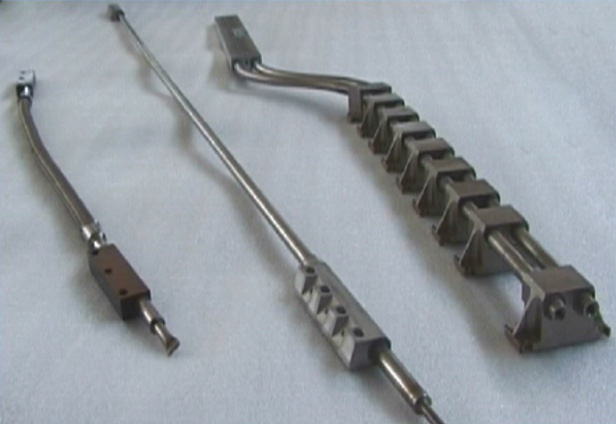
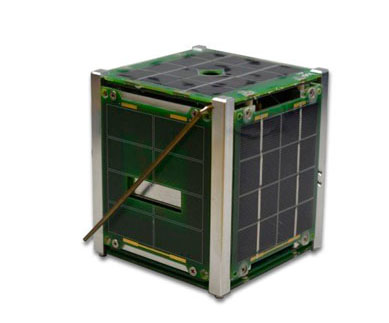
Arterial Heat Pipes (AHPs) are two-phase, hermetic closed thermal transfer systems designed for spacecraft thermal control, offering high heat transfer capabilities and a long service life.
2 12

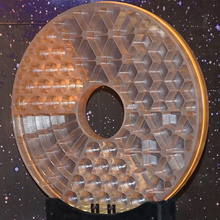
Light-weighted aspherical mirrors made of low-CTE Sitall glass-ceramic for ground-based and space optical systems.

1 10
Flight-proven

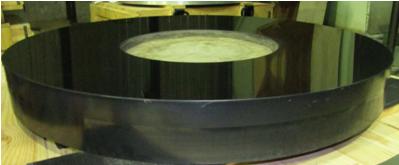
Aspherical monolithic mirrors designed as objectives for Optical-Electronic Complexes (OEC), featuring extra-low CTLE material, lightweighting, and high surface quality.

1 7

A two-phase asynchronous controlled electric motor with a hollow non-winding rotor, designed for automation systems requiring low-power drive in transformer remote transmissions of the angle of rotation.

2 10

The Attitude Control Propulsion Unit is a xenon-fueled propulsion system designed for generating steering effort in spacecraft attitude and survivability modes.

2 7

A spacecraft attitude control thruster unit utilizing two modified thermocatalytic low thrusters, designed for orientation and attitude adjustments.

2 8

A thermocatalytic low thruster unit designed for spacecraft orientation and attitude control, using hydrazine propellant.

2 9

The Automated System for Launch Complex Ground Support Equipment Control is designed for remote control, monitoring, and administration of support systems during the pre-launch preparation and launch of launch vehicles and spacecraft.

1 13
Flight-proven TRL 9 · Flight-proven

Spacecraft electrical test complex (672 discrete outputs, 1440 discrete inputs, 48 DC channels, 510 insulation channels, 450×450 cross, QNX/Windows, up to 250 m remote). Customizable.

1 18

This system provides automatic control for thermal-vacuum testing of spacecraft in a vacuum chamber, including analysis of off-nominal situations.

1 10

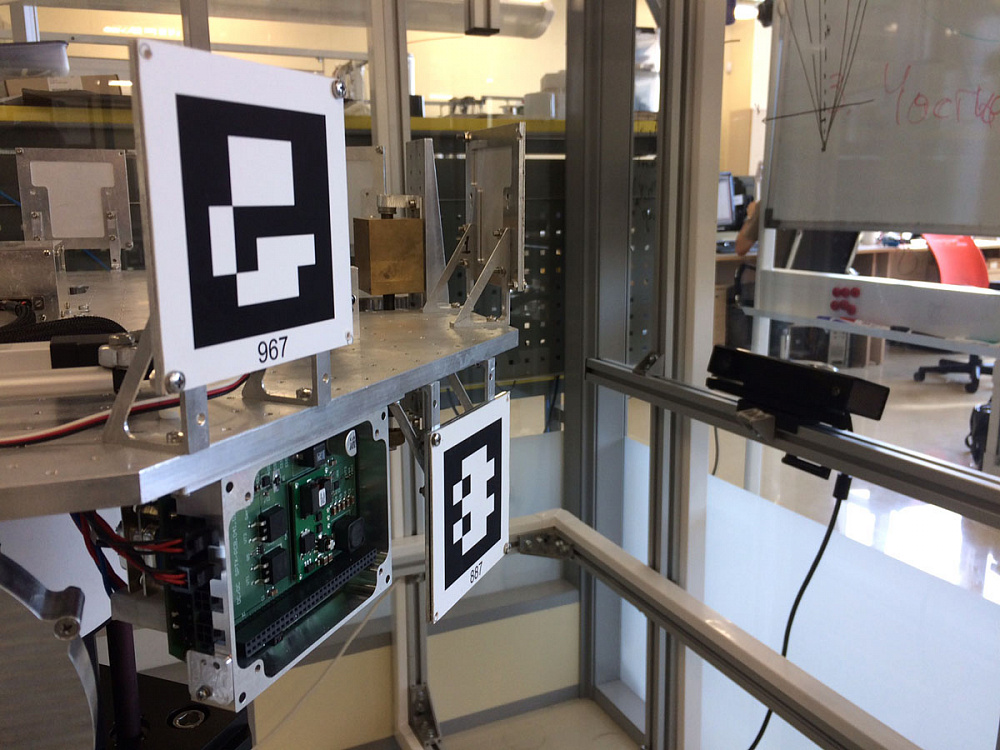
A ground-based test system that independently verifies the performance of a microsatellite's attitude determination and control system by optically tracking markers on a test mockup.

1 7
Flight-proven TRL 9 · Flight-proven

Flight-proven spacecraft heat pipes (450 W·m transfer, Ø6–20 mm, up to 6 m, -133 to +227 °C) with 100+ satellite heritage. Customizable.

1 15

This product line includes axial, arterial, and contour heat pipes and radiator heat pipes designed for thermal control in space applications.

2 9

The Backup Inertial Measuring Device is a sealed monoblock unit designed to measure angular velocities in three axes, intended for future manned spacecraft.

1 6

BELKA-2 is a bio-crystallizer designed for research on protein crystal growth in zero-gravity conditions using liquid (counter) and gas diffusion methods.

2 5

A bipropellant low-thrust rocket engine, flight-qualified and adaptable to customer requirements, released in 1996.

1 3

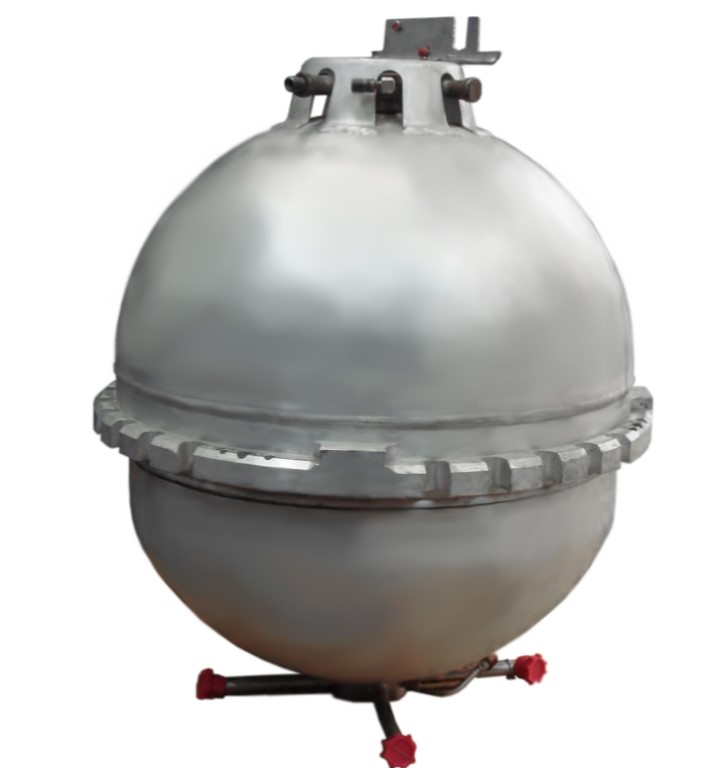
A bipropellant tank with stiff-plastic separation devices (diaphragms) designed for the KDU 11D414HC propulsion system of communication satellites, qualified for flight use.

1 12
Flight-proven

A bipropellant thruster designed for the Briz-M booster, providing attitude control for spacecraft using UDMH/NTO propellants.

1 15

The Bipropellant Thruster 11d is a flight-qualified propulsion unit designed for spacecraft attitude control, utilizing UDMH/NTO propellants.

1 13
Flight-proven TRL 9 · Flight-proven

Flight-proven 13.3 N UDMH/NTO thruster (0.55 kg, 450,000 starts, Isp 2688 m/s) flown on MIR, ISS Zarya module, Briz, and Strela.

1 15

The Branching Filter is an HF element of antenna feed systems designed to provide signal transmission within specified frequency bands and suppress signals outside those bands.

2 8

A C-band antenna designed for spacecraft, featuring reflectors with diameters of 1000 mm or 1600 mm, intended for forming a required servicing area and signal reception.

1 11

A C-band band-pass filter designed to ensure signal transmission within a specific frequency band while suppressing signals outside of it, serving as an HF element in antenna feed systems.

2 2

A C-band global-beam antenna designed for spacecraft to form a required servicing area and receive signals within the 3.5 – 3.7 GHz frequency band.

2 7

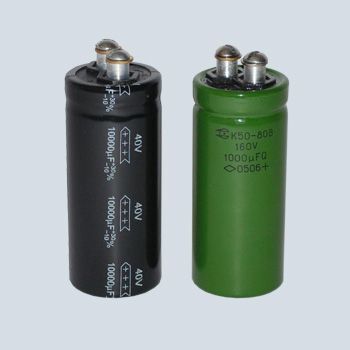
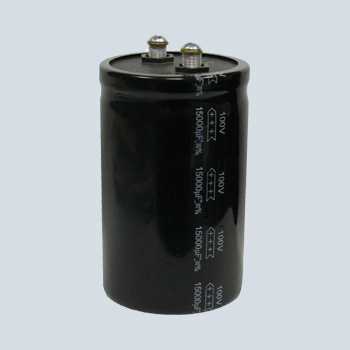
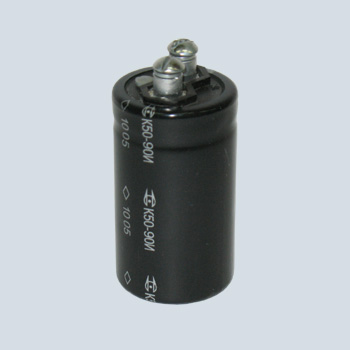
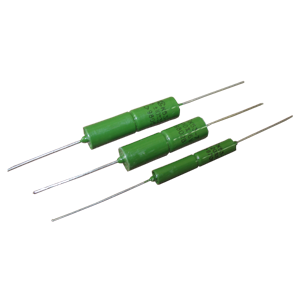
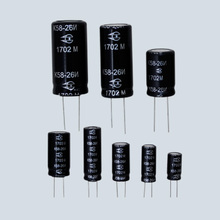
Low-impedance aluminum electrolytic capacitors with screw terminals, rated for wide voltage and capacitance ranges and extended operating temperatures, intended for use in power electronics.

1 10

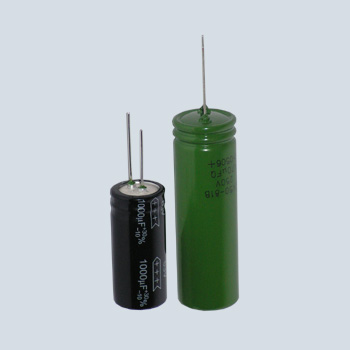
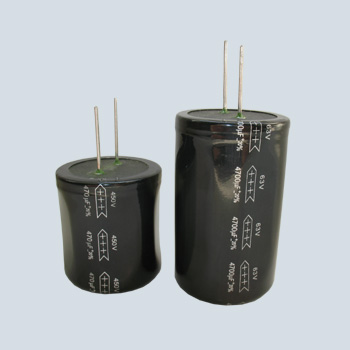
K50-81 is a low-impedance aluminum electrolytic capacitor with wire terminals, designed for power electronics applications with an extended operating temperature range.

2 10

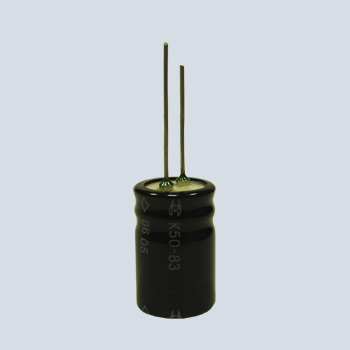
K50-83 is a low-impedance aluminum electrolytic capacitor with radial wire terminals and sealed construction, designed for small-size power supplies and AC/DC converters in demanding environments.

2 10

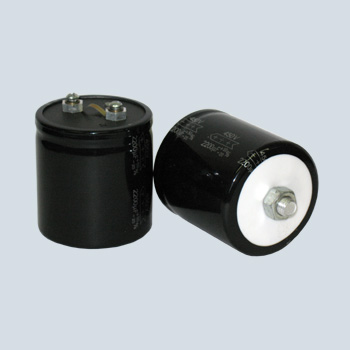
Aluminum electrolytic capacitor with radial screw terminals, designed for small-size power supplies and AC/DC converters operating in demanding conditions.

2 9

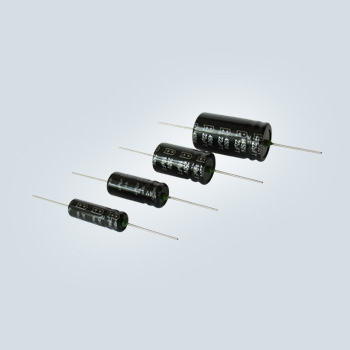
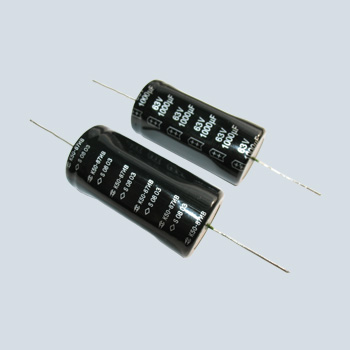
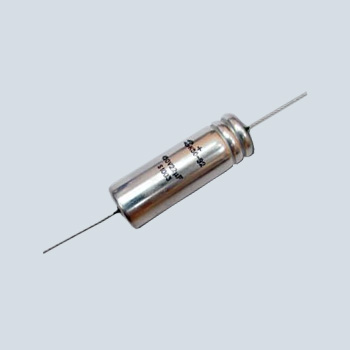
K50-85 is a compact aluminum electrolytic capacitor with axial-wire terminals designed for small-size power supplies and AC/DC converters operating in demanding conditions.

1 9

K50-87 is an aluminum electrolytic capacitor with axial-wire terminals designed for small-size power supplies and AC/DC converters operating in demanding conditions.

1 9

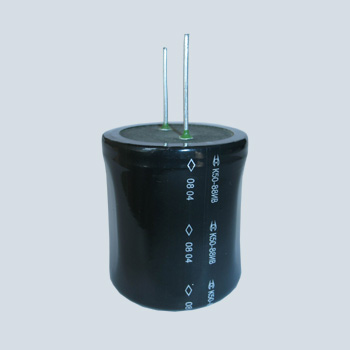
K50-88 is an aluminum electrolytic capacitor with radial wire terminals designed for small-size power supplies and AC/DC converters used in demanding conditions, including mobile robotic systems, communication equipment, lightning technologies, and aircraft industry.

1 10

Aluminum electrolytic capacitor with radial wire terminals, designed for small power supplies and AC/DC converters operating in demanding environmental conditions.

1 9

High-reliability aluminum electrolytic capacitor with radial screw terminals, rated up to 450 V and 680 µF, designed for long service life in demanding applications.

1 10

Aluminum electrolytic capacitor for small-size power supplies and AC/DC converters used in demanding conditions.

2 10

Aluminum electrolytic capacitor with axial-wire terminals designed for small-size power supplies and AC/DC converters operating in demanding conditions.

2 12

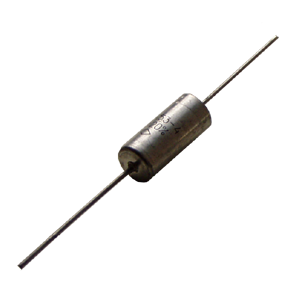
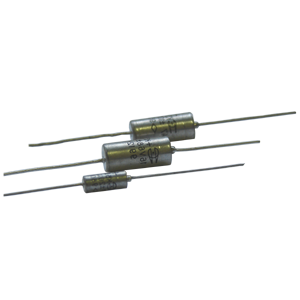
The K52-11 is a highly-reliable tantalum wet-slug capacitor designed for severe operating conditions in airborne electronics, aviation, rocket and space equipment, chain radar systems, and communications satellites.

1 10

The K52-17 is a highly-reliable tantalum wet-slug capacitor designed for severe operating conditions in airborne electronics, aviation, rocket and space equipment, chain radar systems, and communications satellites.

1 10

The K52-18 is a highly-reliable tantalum wet-slug capacitor designed for severe operating conditions in airborne electronics, aviation, rocket, and space equipment, including communications satellites.

1 10

The K52-19 is a highly-reliable tantalum wet-slug capacitor designed for severe operating conditions in airborne electronics, aviation, rocket and space equipment, chain radar systems, and communications satellites.

1 10

The K52-20 is a highly-reliable tantalum wet-slug capacitor designed for severe operating conditions, including those found in rocket and space equipment and communications satellites.

1 10

The Capacitor K52-21 is a highly-reliable tantalum wet-slug capacitor designed for severe operating conditions, offering high specific capacitance and stable performance.

1 9

Tantalum wet-slug capacitor designed for power supply modules used in airborne, rocket, and space equipment, including communications satellites and radar systems.

1 10
Flight-proven

Tantalum solid-electrolyte capacitor for space, aviation and rocket electronics power supply modules.

1 8

The K53-4 is a series of tantalum solid-electrolyte capacitors designed for power supply modules in airborne electronics, aviation, rocket and space equipment, chain radar systems, and communications satellites.

2 10

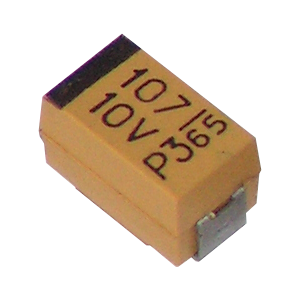
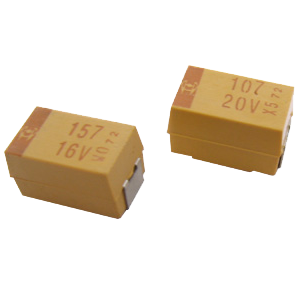
The K53-65 is a series of surface-mount tantalum solid-electrolyte capacitors designed for electronics with stringent weight-size requirements, offering low equivalent series resistance and leakage current.

2 10

The K53-66 is a series of tantalum solid-electrolyte capacitors designed for power supply modules in airborne electronics, aviation, rocket, and space equipment, including communications satellites.

1 10

K53-68 is a surface-mount tantalum solid-electrolyte capacitor designed for use in special-purpose vehicles, offering low impedance and low leakage current across a wide temperature range.

1 10

The K53-69 is a series of tantalum solid-electrolyte, surface-mount capacitors designed for electronics with specific weight-size requirements, offering a guaranteed service life of 25 years.

10

The K53-7 is a series of tantalum solid-electrolyte capacitors designed for power supply modules in airborne electronics, aviation, rocket and space equipment, chain radar systems, and communications satellites.

1 10

The K53-72 is a series of tantalum solid-electrolyte capacitors designed for power supply modules in airborne electronics, aviation, rocket, and space equipment, including communications satellites.

1 10

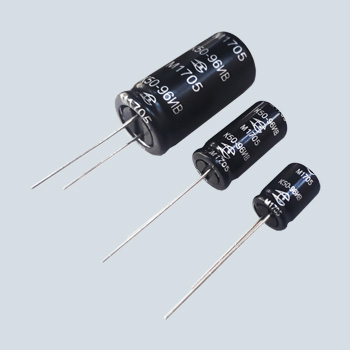
K50-96 are aluminum electrolytic capacitors designed for small-size power supplies and AC/DC converters operating in demanding environmental conditions.

1 9

K50-97 are high-voltage, small-sized aluminum electrolytic capacitors (snap-in and surface-mount) developed to substitute foreign-made equivalents for space applications.

9

Aluminum electrolytic capacitors with snap-in terminals for small power supplies and AC/DC converters used in demanding conditions.

1 10
Flight-proven TRL 9 · Flight-proven

Supercapacitor (2.7 V, 1–100 F, 15–200 mΩ ESR, -50 to +65 °C, fast charge, maintenance-free, no memory effect). For energy storage and backup power.

1 14

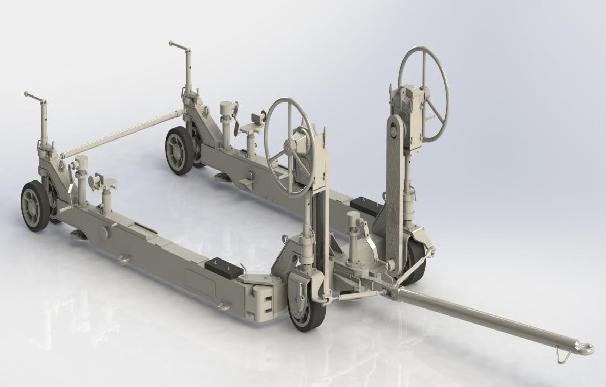
A manually- or vehicle-towable transport cart used to move various space-industry products around ground infrastructure facilities, with a carrying capacity of up to 4000 kg.

1 10

The Cassegrainian Antenna is an on-board, flight-qualified antenna designed for signal reception and forming a required servicing area within C, Ka, and Q frequency bands.

8 9

A charged particles detector developed by Sputnix and SINP for mid-size satellites, capable of monitoring and measuring single event parameters of gamma and electron particles.

2 17
Flight-proven

A cold-gas ammonia corrective propulsion system (CPS) for correcting and stabilizing spacecraft orbit parameters and zeroing the kinetic moment of flywheel engines in the orientation system.

1 11

A compact star tracker designed for small spacecraft (nano- and micro-satellites) to determine their orientation by the star field.

2 14
Flight-proven TRL 9 · Flight-proven

Spacecraft comprehensive electrical test complex (334 discrete outputs, 324 inputs, 18 DC channels, 20-ch solar simulator, 27 V/5 A supply, QNX/Windows). Customizable.

1 21
Flight-proven TRL 9 · Flight-proven

Spacecraft orientation system test complex (MIL-STD-1553B, magnetic field simulator, 42-ch signal monitoring, UPS, Windows) for ADCS testing. Customizable.

1 17
Flight-proven TRL 9 · Flight-proven

Radar complex for LV detachable part tracking (10 GHz, >300 km, variable 10°×10° to 1.25°×2.5° beam, weatherproof) for impact area raiding parties.

1 9

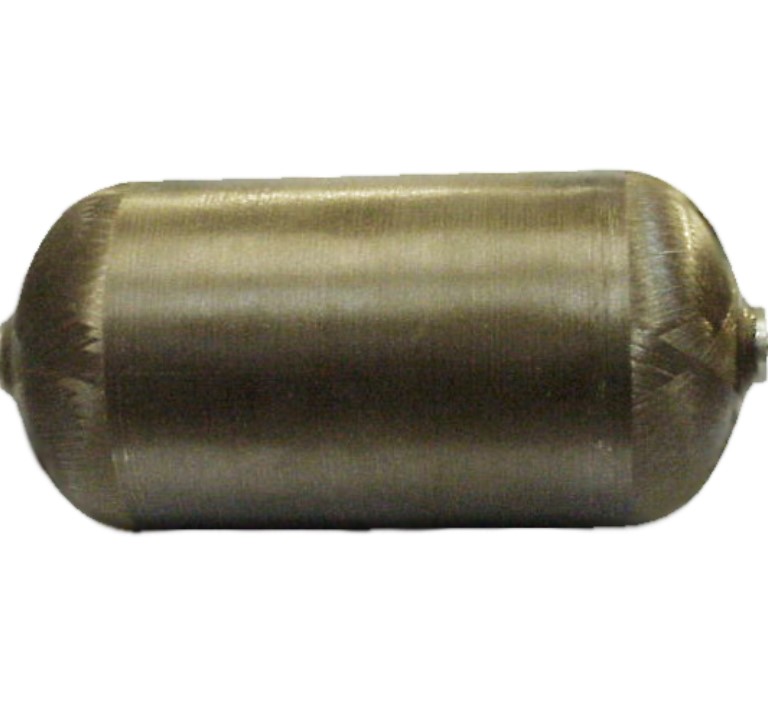
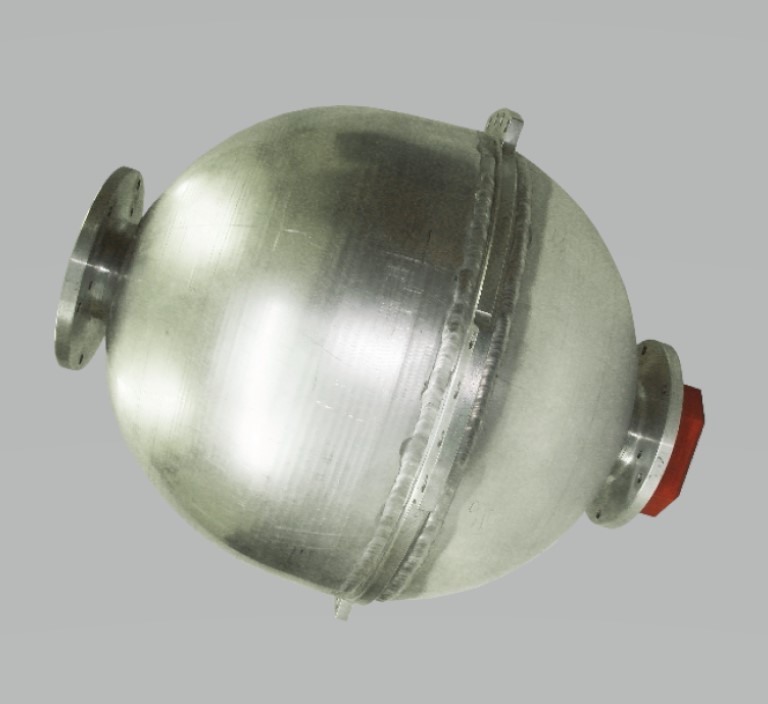
A flight-qualified composite storage tank designed for storing propellants like Xenon, Nitrogen, Air, and Helium, primarily for feeding electrical thrusters.

2 12

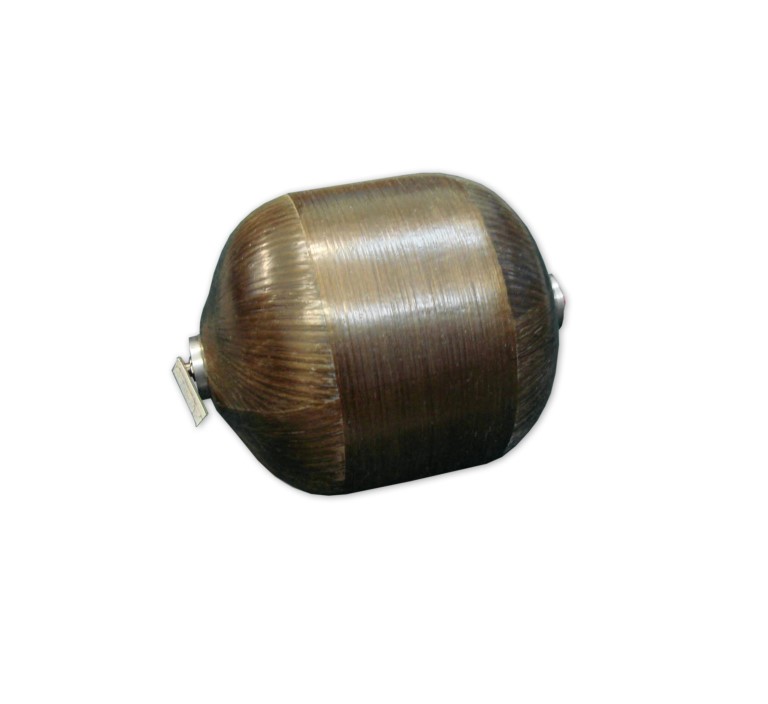
A flight-qualified composite vessel designed for spacecraft propulsion systems, capable of storing and feeding pressurant to propellant tanks and operating fluid to cold gas thrusters.

2 13

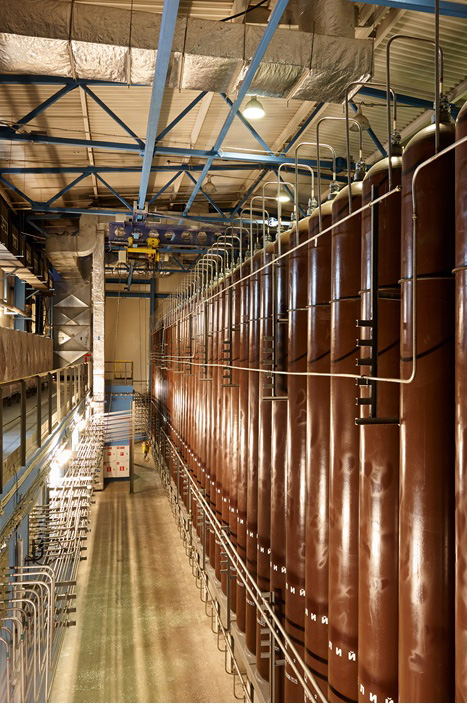
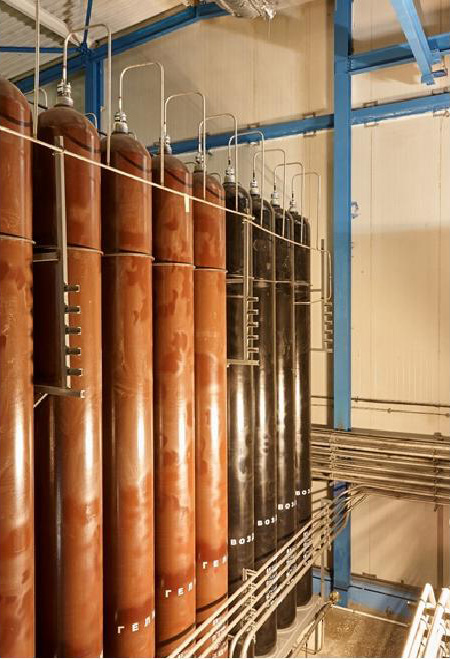
The Compressed Gases Storage Equipment (CGSE) is a ground support system designed for intaking, storing, and delivering compressed gases (Air, Nitrogen, Helium) to launch and technical complex systems.

2 4

The Compressed Gases Supply System (CGSS) provides compressed Air, Nitrogen, and Helium with specified parameters for launch vehicles and launch complex equipment. It is a comprehensive system designed to support launch operations.

2 5

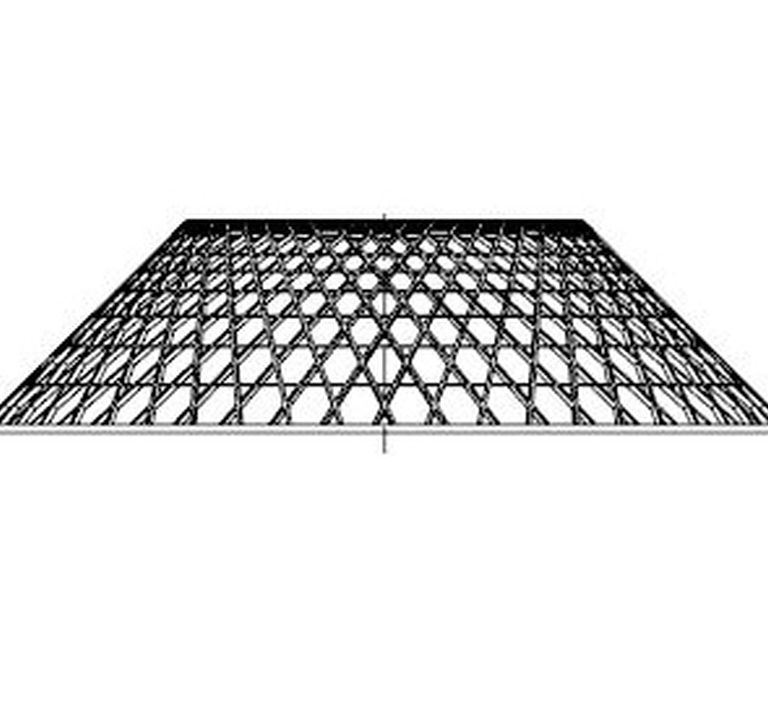
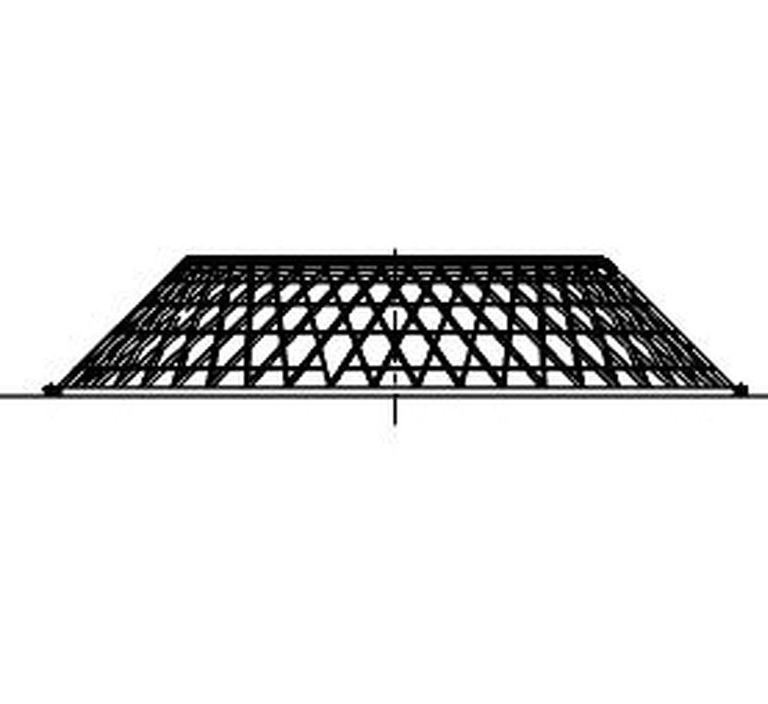
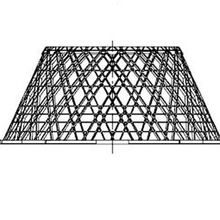
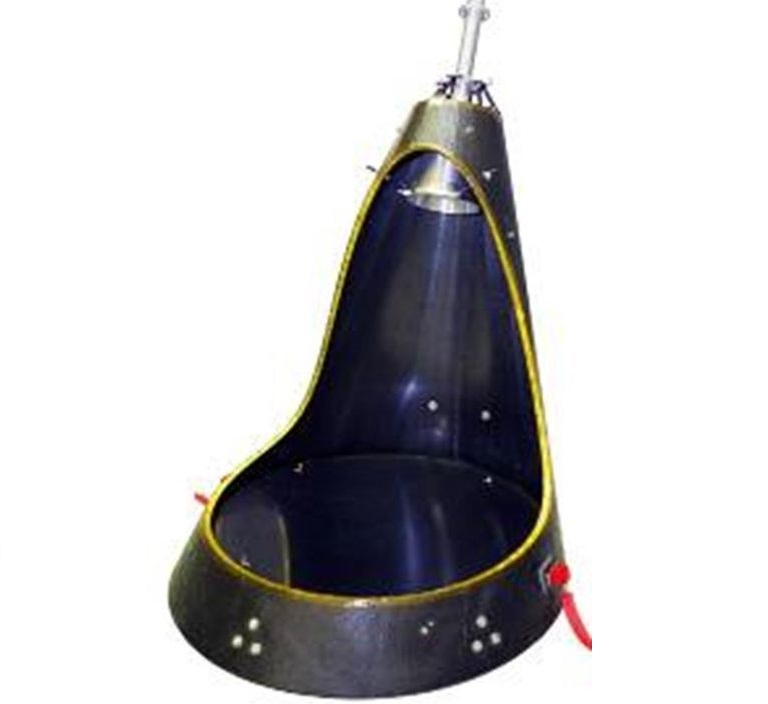
The Conical Adapter Type 1 provides a specified interface between a spacecraft and an upper stage, featuring a conical grid shell made from CFRP with two interface rings.

1 8

The Conical Adapter Type 2 is a flight-qualified CFRP conical grid shell designed to provide a specified interface between a spacecraft and an upper stage, such as the Fregat-SB booster or Zenit launch vehicle.

1 8
Flight-proven

Conical grid-shell adapter providing the mechanical interface between a spacecraft and its upper stage.

1 7
Flight-proven

Conical grid-shell adapter providing the mechanical interface between a spacecraft and its upper stage.

1 7
Flight-proven

Conical grid-shell adapter providing the mechanical interface between a spacecraft and its upper stage.

1 7
Flight-proven

Contour Heat Pipes (CHPs) are two-phase thermal transfer systems designed for the thermal control of spacecraft equipment, offering flexible integration and high heat transfer capabilities.

1 12

A programmable real-time control complex for monitoring the shape and dimensional deviations of large-sized product forms (10 m and larger) using a network of compact triangulation distance sensors.

1 12

A software package for spacecraft status control and assessing its capability to perform task-oriented missions, analyzing telemetric data and providing operational insights.

3 6

The Convergent Cloud Platform is a software-defined solution for cloud infrastructure, integrating computing, network, and storage resources. It offers virtual machine management, distributed fail-safe storage, high availability, and automated resource distribution.

1 6

A cool gas thruster designed for precise spacecraft orientation, featuring small size and mass, and capable of generating multiple impulses.

1 13

A VLSI microcircuit performing coordinated filtering and compression of FM and LFM weak signals with a base of 4096 or more, used for secondary processing of weak radar signals.

1 20

A Correction Unit (CU) featuring a Stationary Plasma Thruster with 1350 W nominal discharge power and a Xenon Flow Controller Unit (XFC Unit), designed for spacecraft station keeping and orbit raising to GEO.

1 17

The AIPD-95 corrective propulsion system is designed for spacecraft orbit correction and maintenance, featuring a pulsed operating mode with a 1 Hz pulse repetition rate.

2 13

The UD-AIPD is a corrective propulsion system designed for spacecraft orientation and correction, featuring a monoblock design and operating in a pulsed mode.

2 13

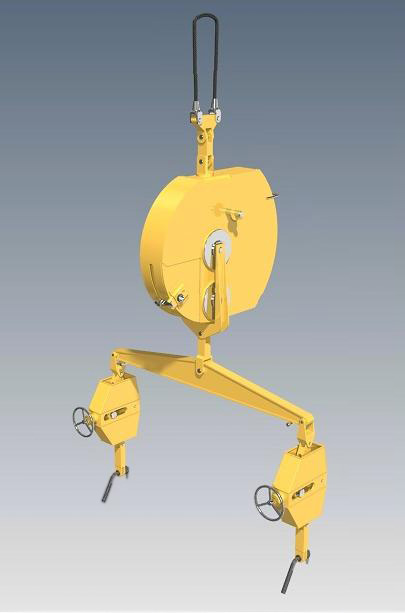
The Crossbeam 1 is a ground support equipment designed for transshipment and movement of long loads with a variable center of mass, capable of handling up to 90 tons.

2 10

The Crossbeam 2 is a ground support equipment designed for the transshipment and mating of loads, ensuring that permissible load limits are not exceeded during interaction.

1 9

A ground-based test bench for functional testing of the orientation and stabilization (ADCS) system of 3U CubeSats, including an air bearing table, sun and magnetic field simulators, and an automated measurement workstation.

1 15

A ground station for two-way communication with small spacecraft, featuring software-defined radio technology and a rotating high-gain antenna.

3 11

Radiation-resistant secondary DC/DC converter on switched capacitors, similar to TPS605000/LM2771/LTC3250.

1 8
Flight-proven

Large deployable mesh-type reflector antenna component, 4.2 m aperture, flight-qualified for spacecraft communications systems.

1 6

This is a deployment mechanism designed for large flat antennas, intended for use as a component within larger antenna systems on spacecraft.

2 10

The DHS 514 Pressure Converter is a piezoelectric transducer designed to measure acoustic pressures of non-aggressive gaseous media affecting rocket and space technology structural elements during the removal stage, working with a voltage amplifier.

2 7

The DHS 517 Pressure Converter is a flight-qualified piezoelectric transducer designed to measure sound pressure of non-aggressive gaseous media on structural elements of rocket and space technology during removal stages.

2 8

A radiation-resistant digital isolator designed for galvanic isolation of various interfaces, offering 20 Mbit/s performance across 3 channels.

2 9

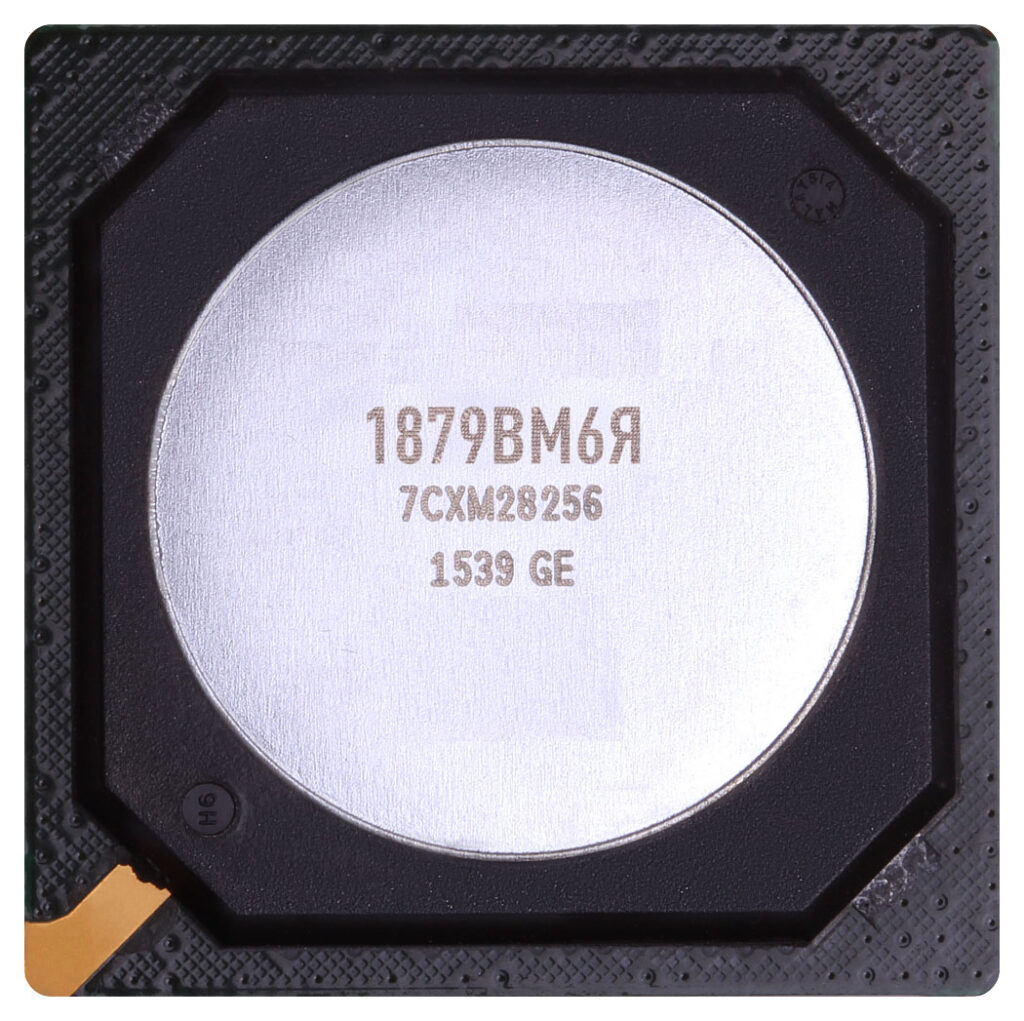
The 1879 ВМ 6Y is a high-performance digital signal processor featuring a VLIW/SIMD architecture with two NMC4 processor cores, each containing a RISC processor and two 64-bit coprocessors for integer and floating-point vector operations.

1 7

A flight-qualified double-mirror Ka-band parabolic antenna designed for signal radiation, forming required servicing areas, and polarization of radiated signals.

1 8

A dual-mode stationary plasma thruster with nominal discharge powers of 2500W and 1350W, designed for spacecraft station keeping and orbit raising to GEO.

2 16

The Dynamic Pressure Sensor Vt 206 is a strain gauge sensor designed for measuring static-dynamic pressure in liquid and gaseous aggressive and non-aggressive media, primarily for liquid rocket engine control and diagnostics.

2 9

The Ejection System is designed to deliver compressed air to protect the lower part of a Launch Vehicle (LV) body from high-temperature plumes during engine operation.

4

The EJK Solenoid Valve is a single-stage, multi-starting, normally closed, single-seat, teflon seal valve designed for remote flow control of liquid and gaseous working media, including propellants, in space applications.

2 12
Flight-proven

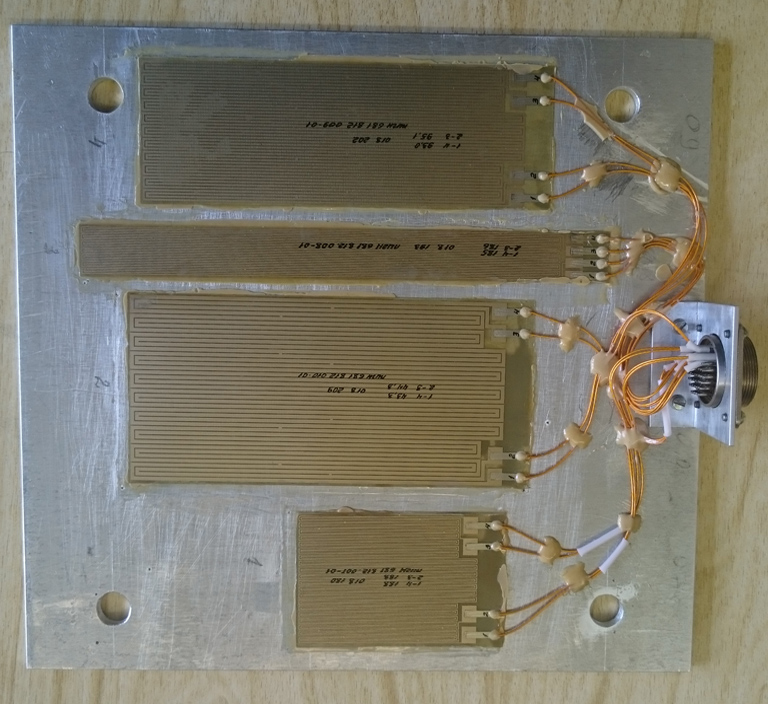
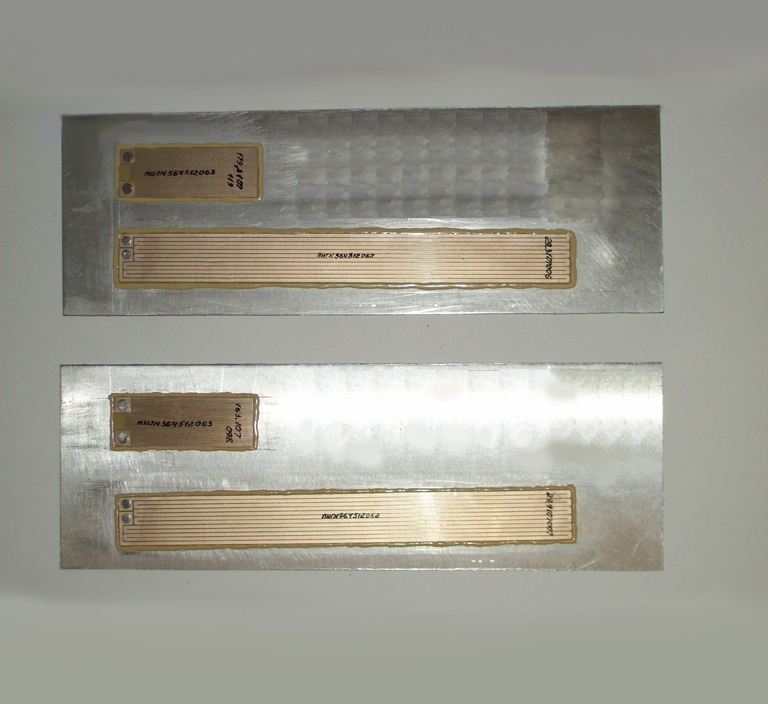
These Electric Heaters (EH) are flexible single-sided printed circuit boards designed to provide thermal conditions for spacecraft onboard equipment. They feature a resistive printed conductor made of manganin foil on a fiberglass or polyimide film base.

2 12

These electric heaters are flexible, single-sided printed circuit boards designed to maintain the surface temperature of manned spacecraft bodies and their fastening elements within a specified range.

1 10

An electric thruster designed for spacecraft up to 1500 kg, offering high specific impulse at relatively low power and a long service life.

2 12

This is an electric Hall-effect thruster designed for spacecraft with a mass of up to 2500-3000 kg, offering high specific impulse and a long service life.

2 12

An electric thruster designed for spacecraft up to 3000 kg, featuring high specific impulse and W-Ba emitter-based cathodes.

1 12
Flight-proven

This is an electric, multimode thruster designed for spacecraft up to 3000 kg, featuring W-Ba emitter cathodes and a guaranteed service life of 15 years in GSO.

1 12

An electric thruster designed for spacecraft up to 500 kg, offering high efficiency at low power.

1 11

An electrically powered cruise engine designed for spacecraft, offering 520 mN of thrust and a specific impulse of 2580 seconds.

2 12

An electrolysis unit designed for oxygen generation from water, capable of operating in zero-gravity conditions, and intended for space applications.

2 10

The Electromagnet EM-IF-20 is a core electromagnet designed for the stabilization equipment of spacecraft, featuring a harness and connector.

2 10

The Electromagnetic Unit (EMU) is a magnetic torquer designed for spacecraft attitude control systems, creating a dipole magnetic moment proportional to the current flowing through its two independent windings. It is used for orientation and unloading reaction wheels in low, medium, and geostationar

1 15

The Electromagnetic Unit (EMU) is a magnetic torquer for nanosatellites, designed to create a dipole magnetic moment proportional to the current in its windings, used for attitude control and reaction wheel unloading.

2 15

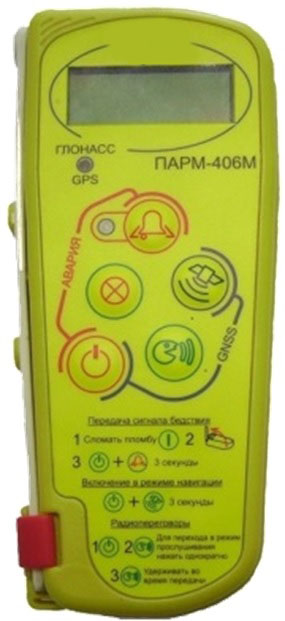
A portable emergency locator transmitter with an integrated GLONASS/GPS receiver that determines and transmits distress position data and enables simplex voice communication with search-and-rescue forces.

2 9

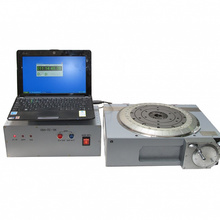
Ground-based measurement equipment for determining the center-of-mass position and axial moments of inertia of nanosatellites up to 10 kg.

1 14

The Fairing is a head fairing designed to protect spacecraft and upper stages from aerodynamic and thermal loads during a launch vehicle's ascent through dense atmospheric layers. It is flight-qualified and adaptable to customer requirements.

3 9

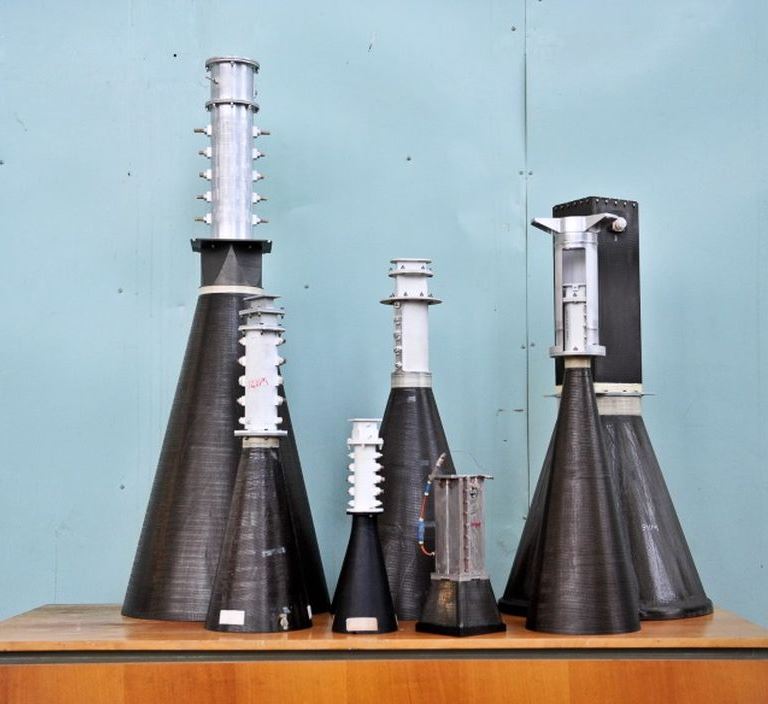
This product is a feed component for a Ku-band multiple-beam antenna, featuring a 28-horn cluster with polarization selectors, diplexers, and load-bearing structures.

1 6

This product is a feed for a C-band antenna, designed for microwave signal reception and transmission with different linear polarization via two ports.

1 4

This product is a feed for a large Ku-band antenna system, designed for microwave signal reception and transmission with different linear polarization via two ports.

2 3

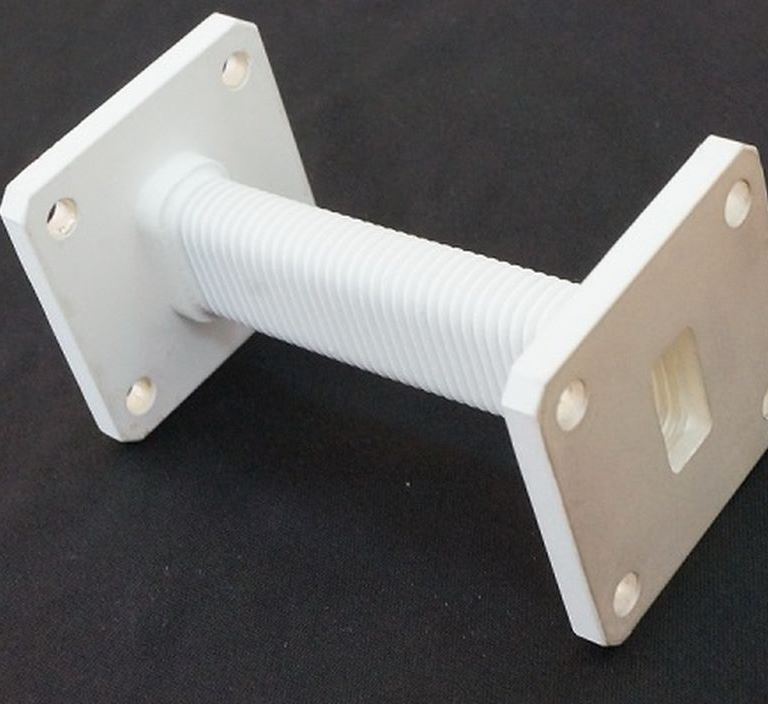
Flexible waveguides designed for flight communication equipment and antenna feed systems, providing signal transmission in various frequency bands.

2 10

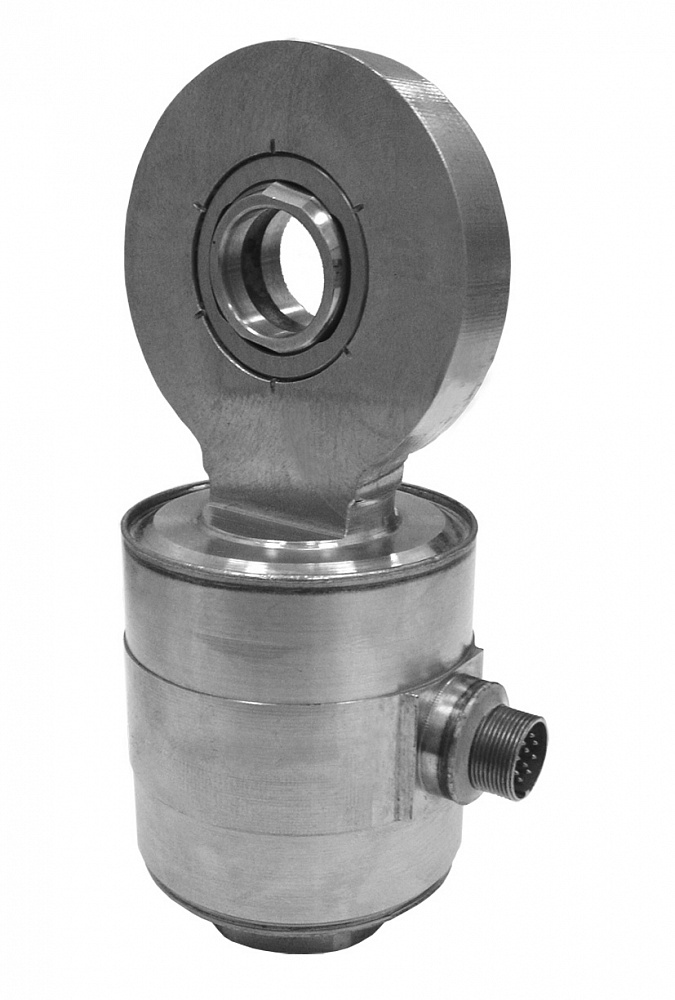
The Force Sensor Vt 114 is a strain gage sensor designed for measuring compressive, tensile, and alternating forces in structures of space rocket and aviation equipment. It works in conjunction with a Vt 5514 converter.

2 7
Flight-proven

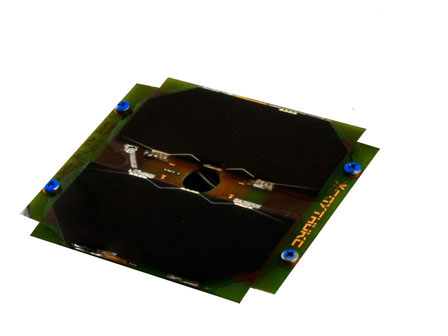
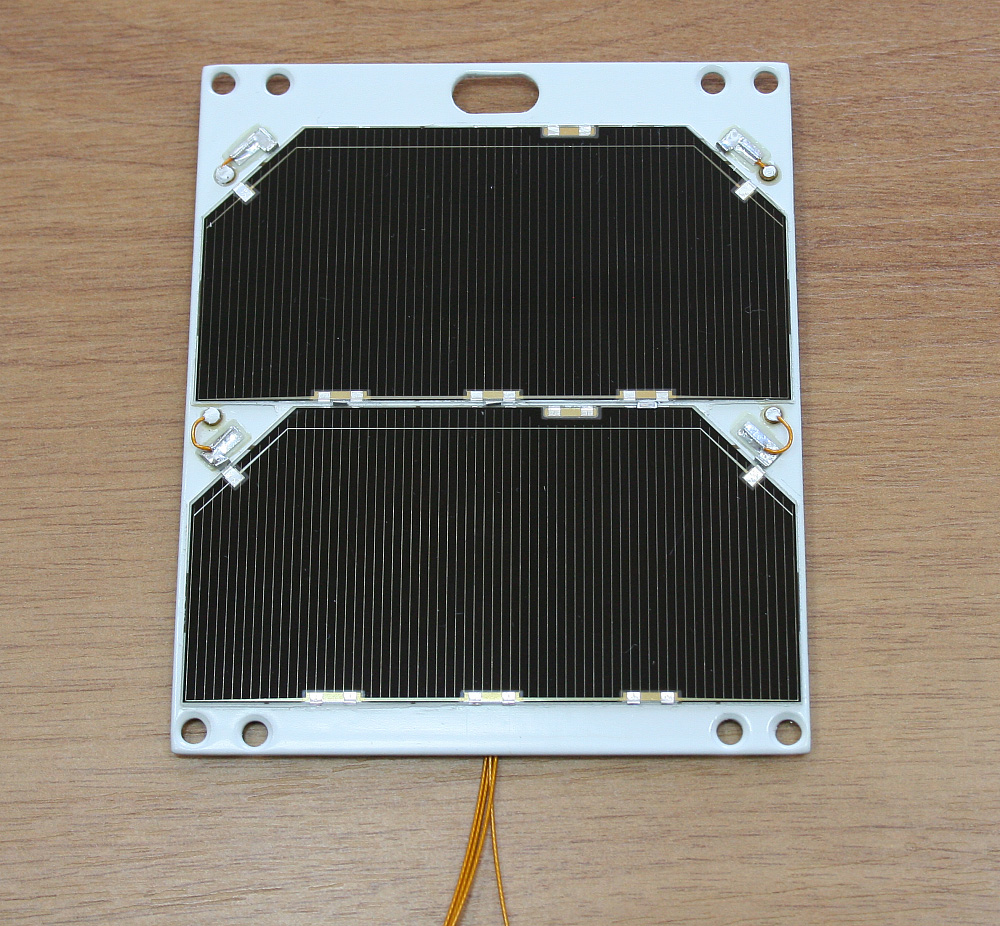
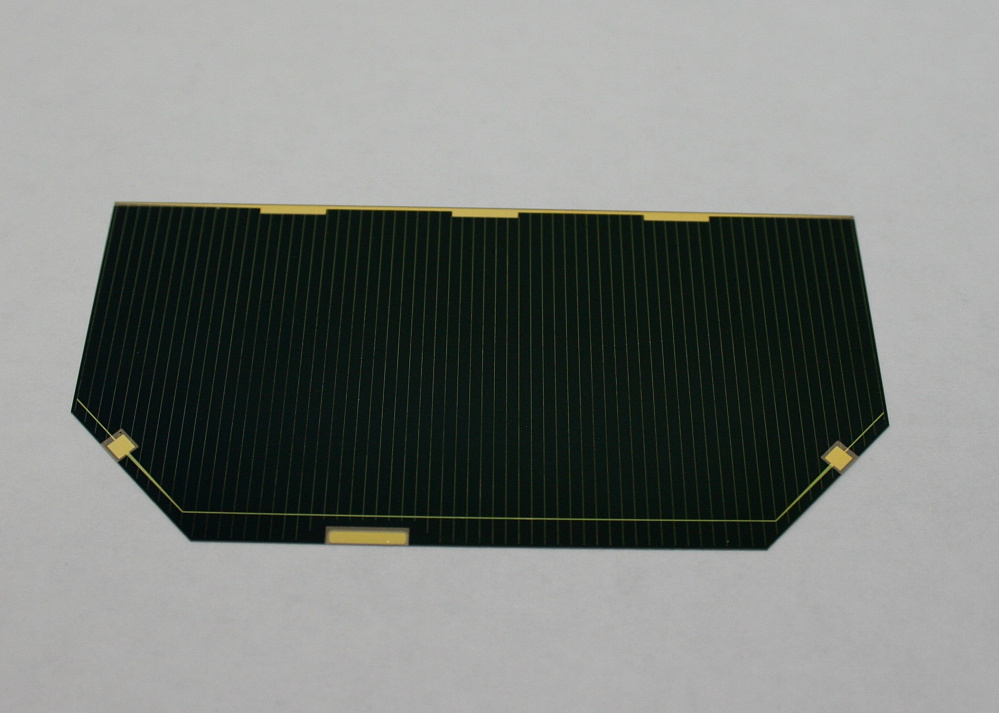
A GaAs solar panel designed for CubeSats, featuring built-in electromagnetic coils for stabilization and a super-diode protection circuit.

2 16
Flight-proven TRL 9 · Flight-proven

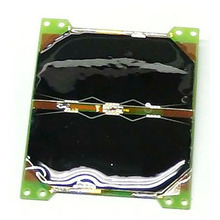
Flight-proven GaAs side solar panel for CubeSats with built-in electromagnetic coil for attitude stabilization, 28% efficiency.

1 19

The Gas Feed Unit is a pneumatic automation equipment designed to supply Xenon propellant at a specified pressure and flow rate to orbit control propulsion units.

2 12

Heat-resistant, high-strength, radiation-optically-resistant glass of optical quality designed for spacecraft cockpit glazing, capable of withstanding pressure differences and extreme temperatures.

3 9

A compact multi-constellation GNSS navigation receiver module that computes real-time coordinates, speed, and precise time, and exchanges data with external equipment via serial interfaces.

1 35
TRL 9 · Flight-proven

GPS+GLONASS L1 navigation receiver in secure case (16 ch, 9 m CEP, 2×RS-232, 71×51×12 mm, 50 g, -40 to +85 °C, 0.65 W). For mission-critical applications.

1 30

The Ground Antenna System 11 / 4-2.5 is a dual-band Cassegrain mirror antenna designed for satellite earth stations to receive signals in the C- or Ku-bands.

2 13

The Ground Antenna System 2 is a transmitting two-mirror Cassegrain antenna system designed for X-band satellite communications earth stations, featuring a 2.5m reflector and electromechanical drives.

1 12

The AFS-12 is a 12.0m Cassegrain ground antenna system designed for satellite communications earth stations, capable of receiving signals across L, S, C, X, Ku, and Ka frequency bands.

1 12

The Ground Antenna System NAS 11-14-2.4 is a Ku-band satellite communication antenna system with a 2.4m reflector, designed for earth stations.

1 14

The Ground Antenna System TAS 4 / 6-6.0 m is a C-band transceiver two-mirror antenna system with a 6.0 m reflector, designed for satellite communications earth stations.

1 15

The Ground Antenna System TAS 4/6-11/14-6.0 m is a Cassegrain-type transceiver two-mirror antenna system designed for satellite communications in C- and Ku-bands.

2 14

The Ground Antenna System US 11 / 14-3.7 is a dual-band Cassegrain mirror antenna system designed for satellite earth stations to receive C- and Ku-band signals.

2 13

The Ground Station is a ground control station designed for controlling spacecraft and conducting communication sessions, released in 2018 with a guaranteed service life of 1 year.

3 14

A redundant, free-form gyroscopic angular velocity vector meter designed for spacecraft orientation and stabilization control systems, measuring angular increments on four sensitive axes.

1 16

A redundant, free-form gyroscopic angular velocity vector meter for spacecraft orientation and stabilization control systems, featuring four fiber-optic gyroscopes and four pendulum quartz accelerometers.

1 16
Flight-proven

A three-channel fiber-optic gyroscope sensor designed to measure angular velocity vector projections and transmit this data to a spacecraft's control system.

2 10

A redundant, free-form gyroscopic angular velocity vector meter designed for spacecraft orientation and stabilization control systems, featuring four independent measurement channels.

2 9

The Harmonic Drive Type 1 is a high-precision gear drive designed for antenna pointing applications, offering a guaranteed service life of 15 years.

2 9

The Harmonic Drive Type 2 is a high-precision gear drive designed for use in antenna pointing mechanisms, offering high accuracy and a long operational life.

2 9

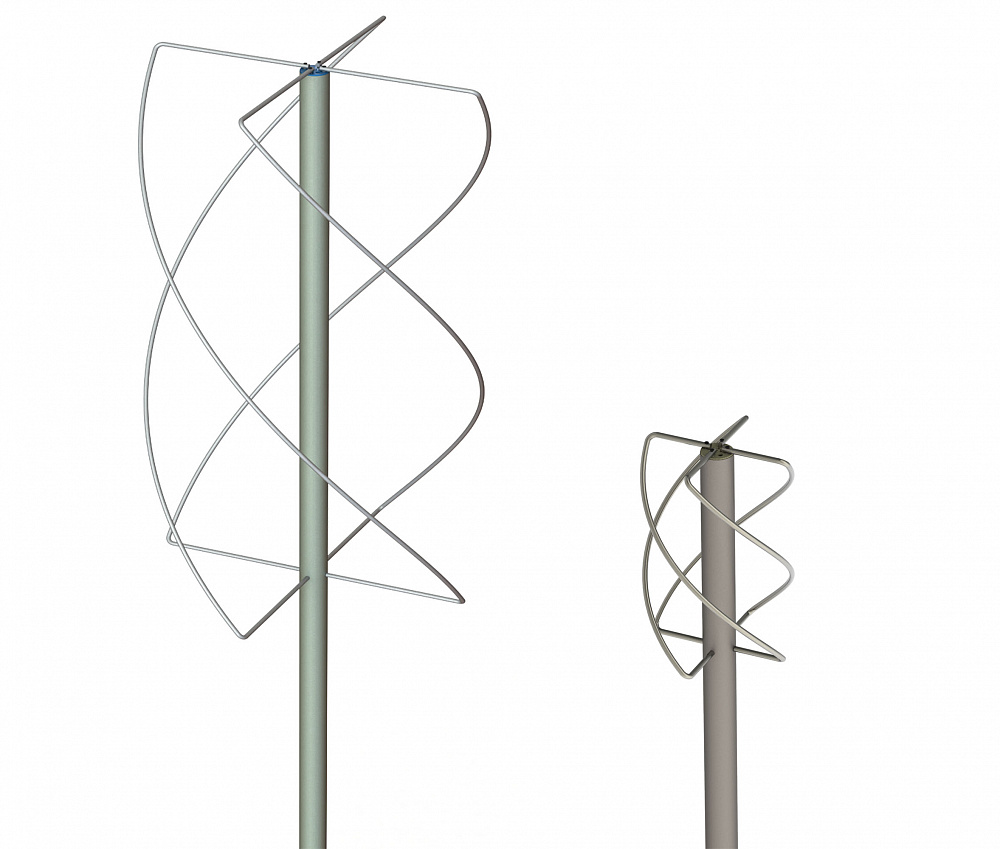
A flight-qualified helical-beam antenna designed for on-board use, capable of forming required servicing areas and signal reception within P, L, and S frequency bands.

2 8
TRL 9 · Flight-proven

RTK/GNSS high-precision navigation module (GPS/GLONASS/Galileo, <0.01 m RTK, <0.2 m standalone, 9–36 V, 120 g, -40 to +85 °C). For automotive/transport applications.

1 16

This High Pressure Electric Valve is designed for opening and closing low-pressure gas paths, suitable for applications requiring precise control of gas flow.

2 9

The High Voltage Power Supply System kit KPVS is a modular power solution designed for large spacecraft and orbital station modules, capable of providing up to 60 kW of power.

2 9

This is a high-capacity rechargeable battery designed for power supply applications in both spacecraft and ground infrastructure, offering a guaranteed service life of 5 years.

2 13

This is a high-powered, multimode electric thruster designed for spacecraft up to 3000 kg, featuring W-Ba emitter cathodes.

1 12
Flight-proven TRL 9 · Flight-proven

Flight-qualified angle-setting complex (0–360°, ±0.5° error, 0.013° resolution, auto self-calibration, ≤65 kg load) for gyros, accelerometers, and angle sensors in rocket/space systems.

1 18

This is a high-speed X-band downlink transmitter providing reliable high-throughput communication from spacecraft to ground stations, with a throughput of up to 800 Mbps.

2 15

A ground-based system comprising pipelines, valves, and other equipment for filling and discharging high-strength hydrogen peroxide into launch vehicle first and second stage tanks.

1 6

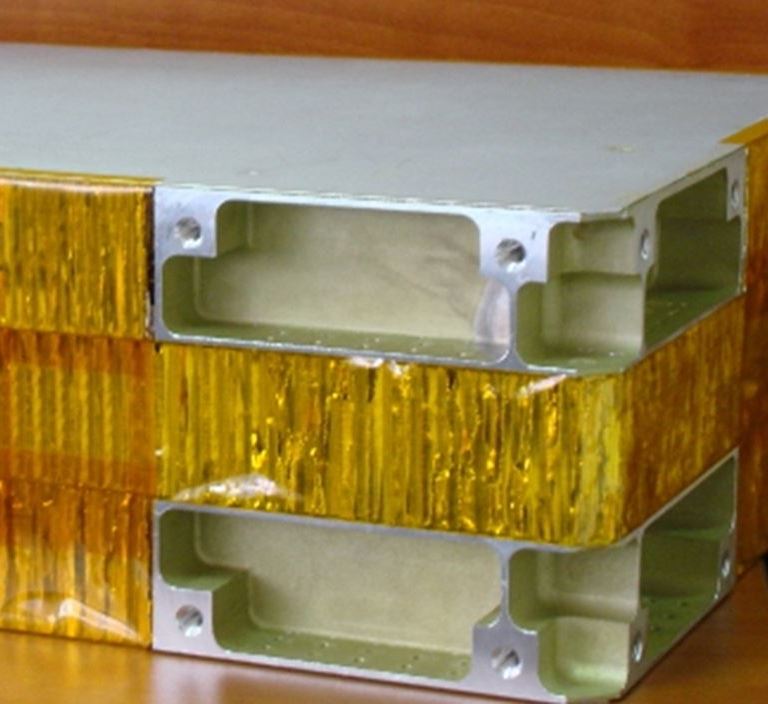
Honeycomb panels with composite face sheets designed for distributing high-precision and dimensionally stable equipment, offering customization and integration options for thermal control.

10

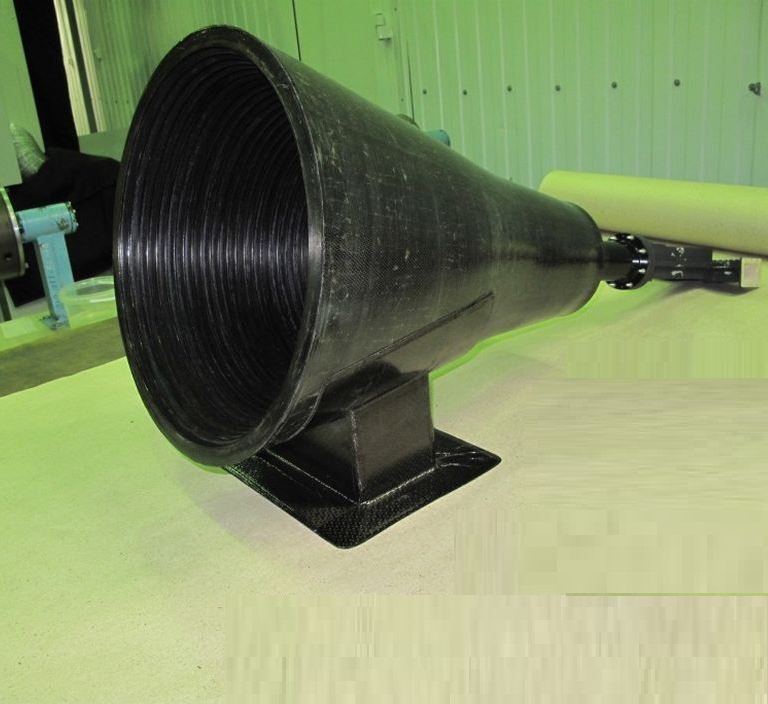
The Horn Antenna is an on-board antenna designed for forming a required servicing area and signal reception within C, Ku, and Ka frequency bands.

2 4

The Hydrogen Peroxide Tanker is a mobile ground support equipment designed for intaking, storing, thermally conditioning, and delivering high-concentrated hydrogen peroxide (HCHP) to launch vehicle tanks.

1 9

An Inertial Measurement Unit (IMU) designed for future manned spacecraft, providing precise measurement of velocity and angle increments using fiber-optic gyroscopes and vibrating string accelerometers.

1 8

28 nm CMOS heterogeneous computing microcircuit with ARM Cortex-A5 core for real-time video, radar and neural-network processing.

1 6
TRL 8 · Qualified

High-performance VLSI MIVEM multimedia SoC (CMOS 28 nm, HFCBGA-1024, 800 MHz PowerPC + 400 MHz NMC3, -50 to +70 °C) for onboard video/audio processing and ARINC 818.

1 13

The Integrated Thruster Unit 13 (ITU) is a propulsion system designed for spacecraft orbit formation and station keeping, featuring a high-precision thruster orientation mechanism and two stationary plasma thrusters.

2 14

The ITU-5000M is an integrated thruster unit designed for spacecraft orbit formation and station keeping, featuring a high-precision Thruster Orientation Mechanism and a Modified Stationary Plasma Thruster.

2 14

The Integration Stand 1 is a mechanical drive stand designed for canting products from a vertical to a horizontal position and providing 360° rotation with high accuracy.

2 10

The Integration Stand 2 is a ground support equipment designed for the maintenance, assembly, and testing of space products, including solar panel deployment tests.

2 10
TRL 9 · Flight-proven

Vehicle telemetry interface module (120×90×40 mm, 120 g, 9–36 V, <4 W) with RS-485/232/CAN/USB, 8 digital + 4 analog inputs, black-box memory.

1 20

An Intersatellite Optical Communication Terminal designed for LEO satellite constellations to enable space internet and communications, supporting various network configurations.

1 15

The Intersatellite Optical Communication Terminal 2 is designed for high-speed optical communication between spacecraft in Low Earth Orbit (LEO) and other satellites, as well as for communication with ground stations.

1 13
Flight-proven TRL 9 · Flight-proven

Spacecraft automated electrical test complex (Ethernet/MIL-STD-1553B, 29-ch pulse + 18-ch long-term command outputs, 67-ch on-off monitoring, magnetic field simulation, QNX/Windows). Customizable.

1 17

This Ka-band antenna is designed for spacecraft, specifically for the transmission of locator beacon signals and signal reception within its operating frequency band.

2 5

A Ka-band high-precision antenna designed for spacecraft, featuring an 800mm reflector aperture and constructed from dimensionally stable high-modulus CFRP composite material.

2 8

The Kerosene Cooling System is designed to cool kerosene propellant in ground-based units, consisting of tanks, pumping equipment, pipelines, valves, and control means.

2 9

The Kerosene Supply System is designed for the supply and discharge of rocket fuel to and from the third stage tank of a launch vehicle.

1 7

The Kerosene Supply System 1 is designed for filling and dumping rocket fuel (kerosene) into the first and second stages of launch vehicles.

1 7
Flight-proven

A magnetic momentum-management system that calms a low-orbit spacecraft and dumps accumulated kinetic moment from the spacecraft body and flywheel engines using geomagnetic-field converters and rod electromagnets.

2 10

The Kinetic Moment Reset System 1207 is designed to calm low-orbit spacecraft and dissipate accumulated kinetic moment from the spacecraft body and flywheel engines. It consists of primary geomagnetic field converters, electromagnets, and an electronic block.

2 11
Flight-proven

The Ku-band Multiple-beam Antenna is a spacecraft antenna designed to form a required servicing area and receive signals within its operating frequency band.

1 6

The L-Band Microwave Discrete Attenuator is a silicon-germanium BiKMOS MMIC designed to control the amplitude of L-band input signals for radio transceivers, including those used in satellite communications and navigation.

1 18

The L-band Microwave Discrete Phase Shifter is a monolithic microwave integrated circuit (MMIC) designed for controlling the phase of L-band input signals in radio transceivers. It is developed using silicon-germanium BiKMOS technology and features differential inputs and outputs.

1 19

An L-band microwave double balanced mixer, implemented as a SiGe BiKMOS MMIC, designed for use in radio transceivers' receiving and transmitting paths.

1 20

The L-band Microwave LNA is a silicon-germanium BiKMOS microwave monolithic integrated circuit (MMIC) designed for radio transceivers, particularly in satellite communications and navigation equipment, offering low power consumption and a low noise figure.

2 18

A large Ku-band antenna system designed for spacecraft, capable of forming a planimetric directional diagram for signal radiation and reception, with a 15-year guaranteed service life.

2 9

A large-dimensioned, long-focus lens objective designed for Earth Remote Sensing (ERS) equipment, featuring a 500 mm clear aperture and 4000 mm focal distance.

2 9

The Launch System (LS) is a metal structure designed for the prelaunch preparation and launch of orbital launch vehicles (ILV), providing support, holdup against wind, and connections for supply lines.

2 7

A set of short-focus lens objectives designed for Earth Remote Sensing (ERS) equipment, offering a clear aperture of 40 mm and a focal distance range of 40-200 mm.

2 8

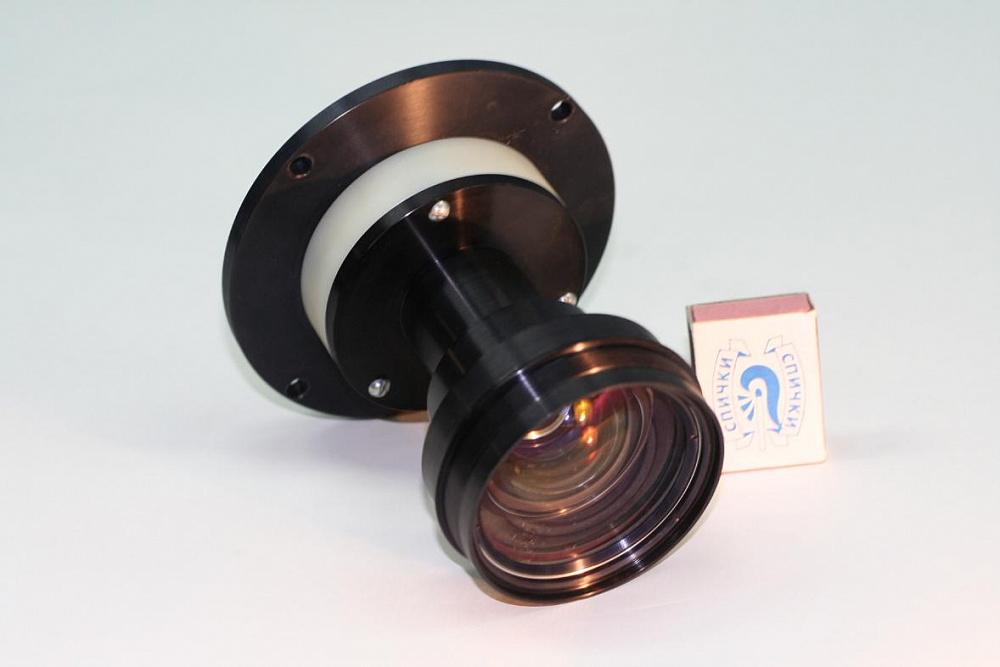
The SOVA-5 is a wide-angle lens designed for detecting low-orbital space objects at altitudes ranging from 120 to 500 km, featuring a 40° viewing angle and a 0.7 transmission factor.

3 11

The Linear Drive is a high-precision electromechanical linear positioning drive designed for synchronizing force spoke motion or transfer during antenna deployment.

2 8

The Liquid Nitrogen Supply System is designed for intaking, storing, and delivering liquid nitrogen to launch vehicle tanks.

2 9

The Liquid Oxygen Supply System is designed for the intake, storage, and delivery of liquid oxygen into launch vehicle tanks, featuring a storage capacity of 672 tons.

2 9
Flight-proven

Cylindrical CFRP grid-shell load-bearing structure for mounting spacecraft subsystems and equipment.

1 10
Flight-proven

Cylindrical CFRP grid-shell load-bearing structure for mounting spacecraft subsystems and equipment.

1 10
Flight-proven

Cylindrical CFRP grid-shell load-bearing structure for mounting spacecraft subsystems and equipment.

1 11
Flight-proven

Cylindrical CFRP grid-shell load-bearing structure for mounting spacecraft subsystems and equipment.

1 11
Flight-proven

Cylindrical CFRP grid-shell load-bearing structure for mounting spacecraft subsystems and equipment.

1 11
Flight-proven

Cylindrical CFRP grid-shell load-bearing structure for mounting spacecraft subsystems and equipment.

1 11
Flight-proven

Cylindrical CFRP grid-shell load-bearing structure for mounting spacecraft subsystems and equipment.

1 10

A low emission electric valve designed for opening and closing high and low pressure gas paths, suitable for spacecraft applications.

2 10

This Low Pass Filter is designed to transmit signals within a specified frequency band while suppressing signals outside of it, serving as an HF element for antenna feed systems.

2 2

A low-power stationary plasma thruster designed for spacecraft station keeping, utilizing xenon propellant and featuring a hollow cathode.

1 16
Flight-proven

A low-power stationary plasma thruster with a 50 mm accelerating channel diameter, designed for spacecraft station keeping and utilizing xenon propellant.

2 17

A low-power stationary plasma thruster designed for spacecraft position keeping, utilizing xenon propellant and featuring a classical magnetic system.

1 17

A low-pressure electric valve designed for opening and closing gas paths, suitable for spacecraft applications.

2 9

Low Temperature Heat Pipes are designed to ensure the thermal regime of spacecraft, utilizing ammonia as a heat carrier and featuring axial omega-shaped grooves.

2 10

Low-voltage packaged electrical devices for receiving and distributing power among consumers, with control and short-circuit/overload protection, used in launch site power infrastructure.

1 6

The LV Thermal Conditioning System is designed to intake compressed air and nitrogen at high pressures and deliver them with specified parameters. It consists of pneumoboards, a cooler, a heater, supply pipelines, and a single-use pipe set.

2 4
Flight-proven TRL 9 · Flight-proven

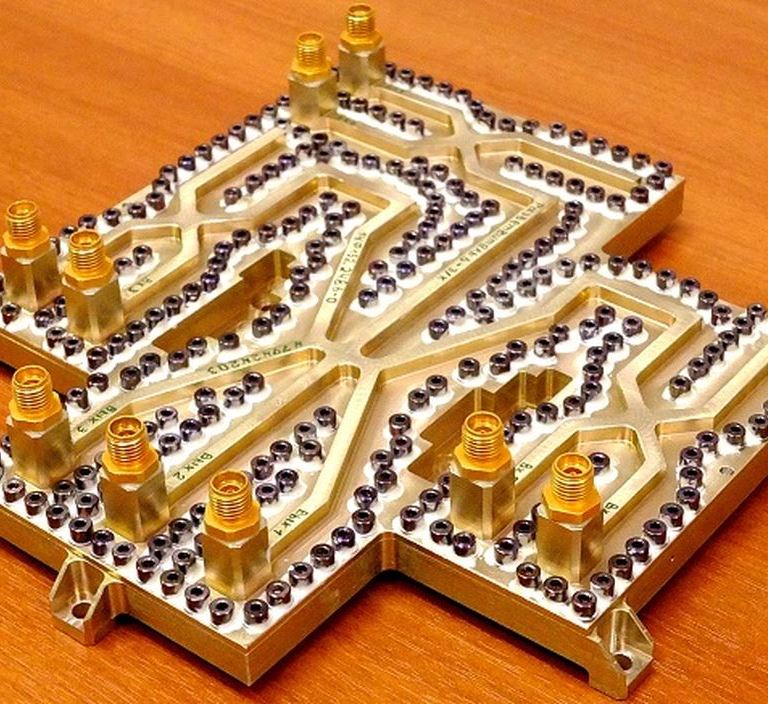
Stationary LV compartment thermal conditioning system (air cleaning/drying/heating) for Soyuz at Kourou, GSC launch complex. Vapor compression refrigerating machine.
1 8

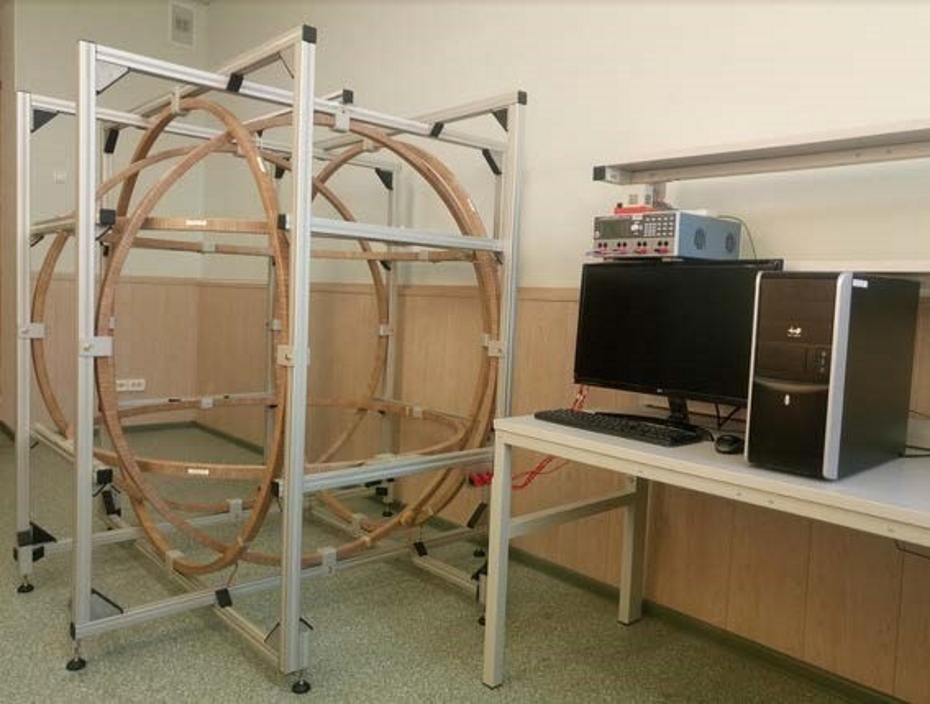
The Magnetic Field Simulator is a Helmholtz cage system designed to simulate the Earth's magnetic field along a satellite's orbital trajectory for testing purposes.

2 8

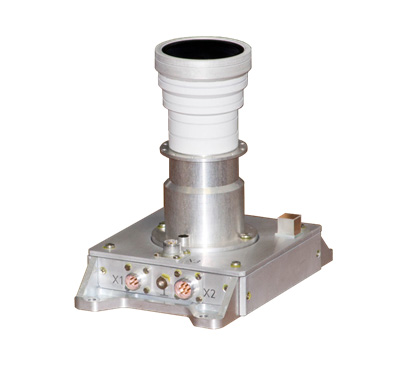
A manual deployer designed for astronauts to launch pico- and nanosatellites from the International Space Station (ISS) during extravehicular activity (EVA). It also protects satellites during transportation to the ISS.
2 15

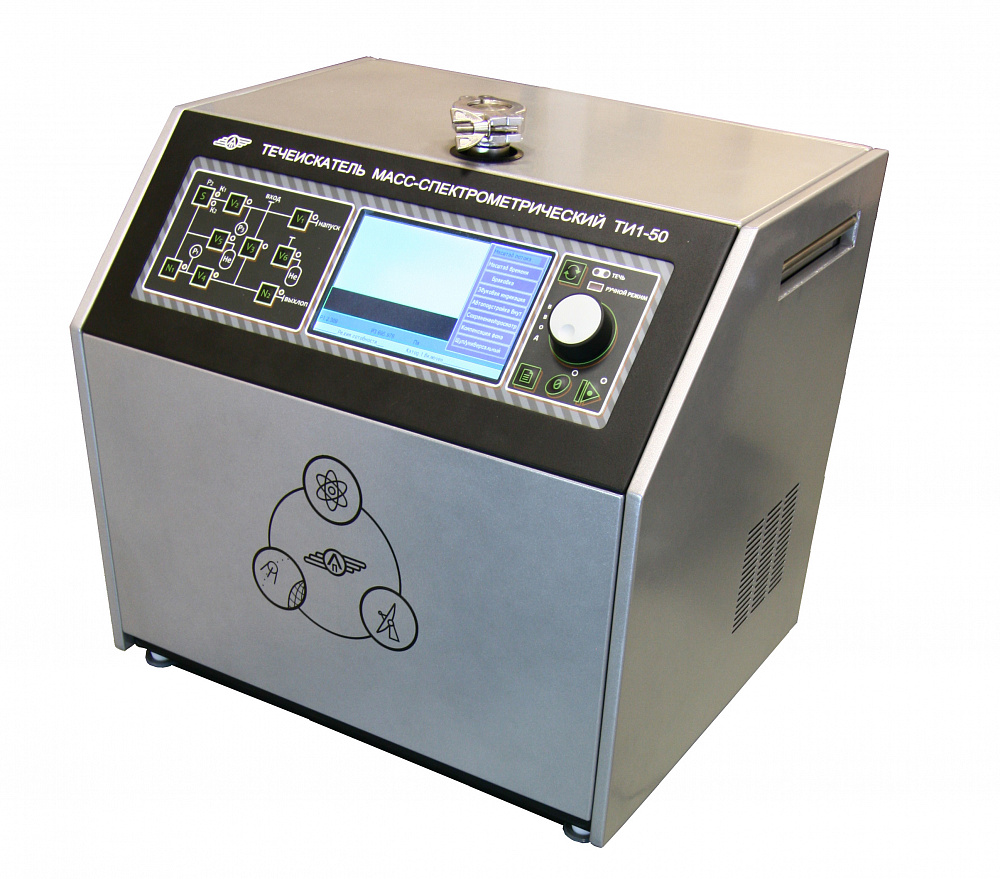
A highly sensitive magnetic mass-spectrometer leak detector used to test the leaktightness of systems and facilities by detecting and localising helium tracer gas leaks.

1 15

Uncased microwave varactor capacitors built on thin semiconductor and dielectric membranes for use in phase shifter modules of space-based AESA radar and communication systems.

1 7

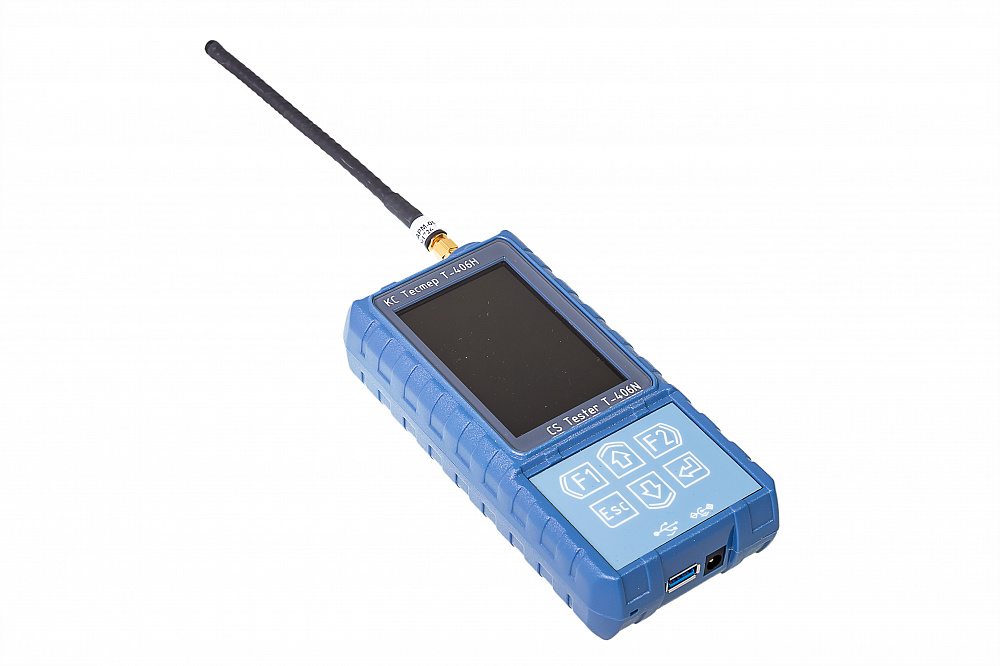
The T-406Н КС tester is a compact portable device for checking the technical characteristics of signals emitted by radio beacons and verifying the validity of encoded data during scheduled maintenance work.

1 10

A mechanical hold-down and release device designed to secure deployable elements of a mechanical device in a stowed position during launch and then release them in orbit.

2 10

A two-degree-of-freedom electromechanical drive that rotates an antenna mounting plane in two mutually perpendicular planes relative to the antenna pointing system's control module.

2 11

A two-degree-of-freedom electromechanical drive unit that rotates a satellite antenna mounting plane relative to the antenna pointing system control module in two mutually perpendicular planes.

1 11

A two-degree-of-freedom electromechanical drive designed for antenna pointing, providing rotation of an antenna's mounting plane in two mutually perpendicular axes.

2 10

A two-degree-of-freedom electromechanical drive designed to provide precise rotation for spacecraft antennas in two mutually perpendicular planes.

2 13

The Metal Composite Xenon Tank XT-200 is a high-pressure storage vessel designed for xenon propellant in electric propulsion systems, enabling spacecraft orbit raising.

1 12

The Metal Composite Xenon Tank XT-350 is a flight-qualified, metal-composite tank designed to store xenon for electric propulsion systems on spacecraft, enabling orbit raising maneuvers.

2 13

The Micropower ADC is a radiation-resistant, 10-bit analog-to-digital converter designed for space systems, offering up to 1 MS/s performance and a 16-channel input multiplexer.

2 12

A Silicon-Germanium BiKMOS VLSI frequency synthesizer designed to produce a stable high-frequency signal in the 375-6000 MHz range with low phase noise, suitable for various communication and radar systems, including satellite equipment.

2 19
TRL 7 · Demonstrated

Uncased microwave p-i-n switching elements on thin membrane (>50 GHz, >50 V Vbr, 5 Ω Ron, 5–20 µm membrane) for AESA phase shifters in space/aviation systems.

1 12

The Mirror Antenna is an on-board spacecraft antenna designed for forming required servicing areas and signal reception within C, Ku, and Ka frequency bands.

2 7

A mirror antenna reflector designed for space applications, supporting C, Ku, Ka, and Q frequency bands, and constructed from carbon fiber-reinforced plastic, beryllium, or titanium.

2 6

Large-dimensioned mirror-lens objectives forming a complete set for a ground-based optical-electronic complex (OEC), with clear aperture up to 750 mm and variable focal distance.

1 8

The MLS Input Filter Type 1 is a passive HF device designed for flight communication equipment, ensuring signal transmission within a specified frequency band and suppressing out-of-band signals.

1 7

The MLS Input Filter. Type 2 is a passive HF device designed for flight communication equipment, providing signal transmission within a specific frequency band and suppressing out-of-band signals.

1 6

The MLS Input Filter. Type 3 is a passive HF device designed for flight communication equipment, providing signal transmission in a required frequency band and suppressing signals outside of it.

1 5

The ZSSS-L is a mobile ground satellite communication station designed for Ku-band communication through the Luch MSRS spacecraft, featuring a 2.4m collapsible antenna system.

1 15

The Mobile Service Tower (MST) is a self-propelled, weather-proof structure designed for pre-launch preparation and launch of launch vehicles with automatic satellites and upper stages.

2 8

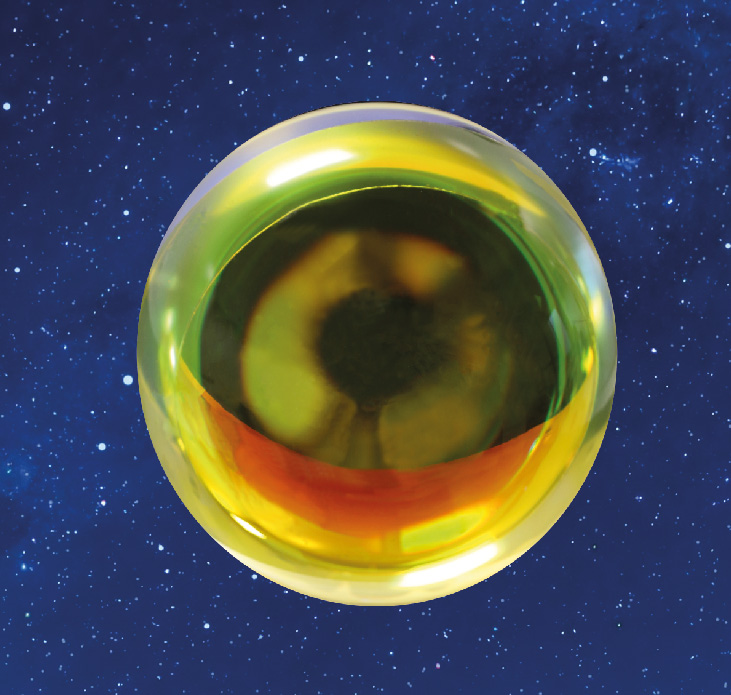
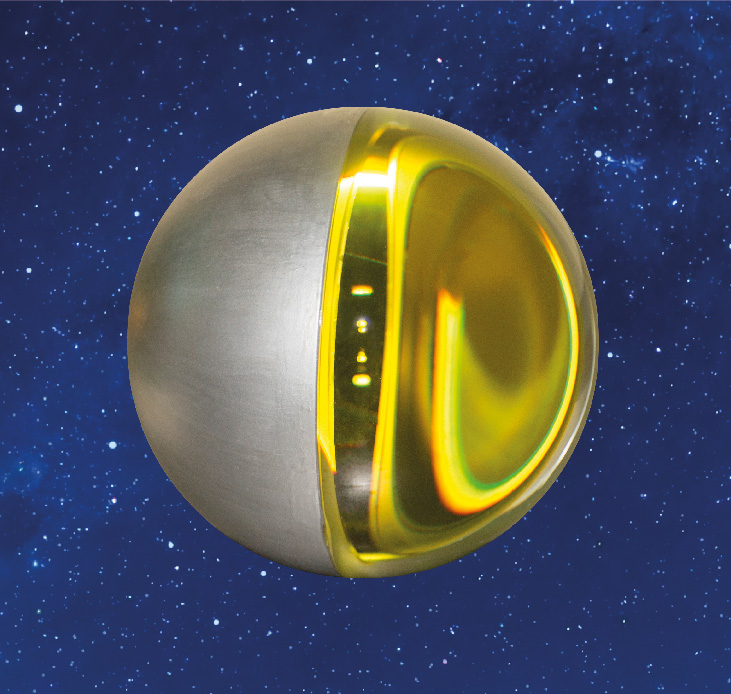
The BLITZ-M is a spherical glass retroreflector satellite designed for calibrating quantum-optical stations.

2 2

A modified low-power stationary plasma thruster with a 50 mm accelerating channel, designed for spacecraft station keeping and flight-qualified on OneWeb satellites.

1 17

A modified low-power stationary plasma thruster designed for spacecraft station keeping, featuring a 70 mm accelerating channel and using xenon propellant.

2 16

A modified stationary plasma thruster with a discharge power of up to 5 kW, designed for spacecraft station keeping and orbit raising to GEO, using xenon propellant.

1 17

A modified Stationary Plasma Thruster (SPT) with a nominal discharge power of 1350 W, designed for spacecraft station keeping and orbit raising using xenon propellant.

2 16

A hydrazine monopropellant thermocatalytic thruster used for spacecraft orientation, attitude control, and station keeping, with flight-qualified heritage on multiple Russian satellite programs.

1 18

Propellant - hydrazine. The main thruster component parts are: a decomposition chamber with a catalyst element and a nozzle, a propellant injection unit, two small-size solenoid valves that supply propellant to the thruster, and a pressure signaling indicator that monitors the fact that the thruster

1 8

A monopropellant tank with a stiff-plastic separation device (diaphragm) designed for spacecraft propulsion systems, capable of storing and feeding UDMH and NTO propellants.

1 13
Flight-proven

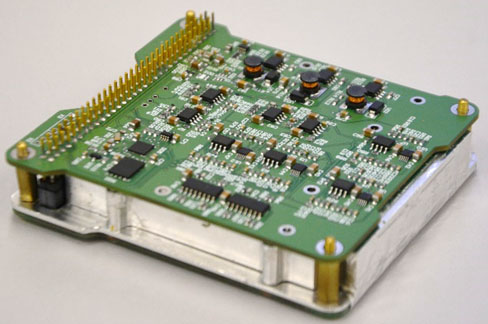
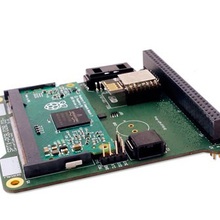
A Raspberry Pi Compute Module carrier board for satellite control, integrating ADCS sensors, an EM torquer driver and an onboard ADCS controller on a CAN bus architecture.

1 16
TRL 6 · Prototype

Raspberry Pi Compute Module nanosatellite OBC+ADCS carrier (60 g, CAN/I2C/SPI/UART, -40 to +60 °C) with integrated ADCS controller.

1 17
Flight-proven

A Raspberry-Pi Compute Module carrier board with integrated sensors and ADCS controller, designed for satellite control and stabilization.

1 16

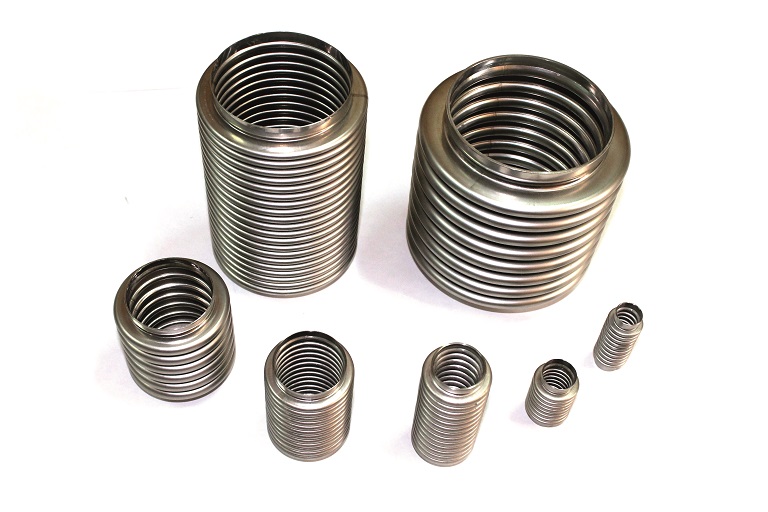
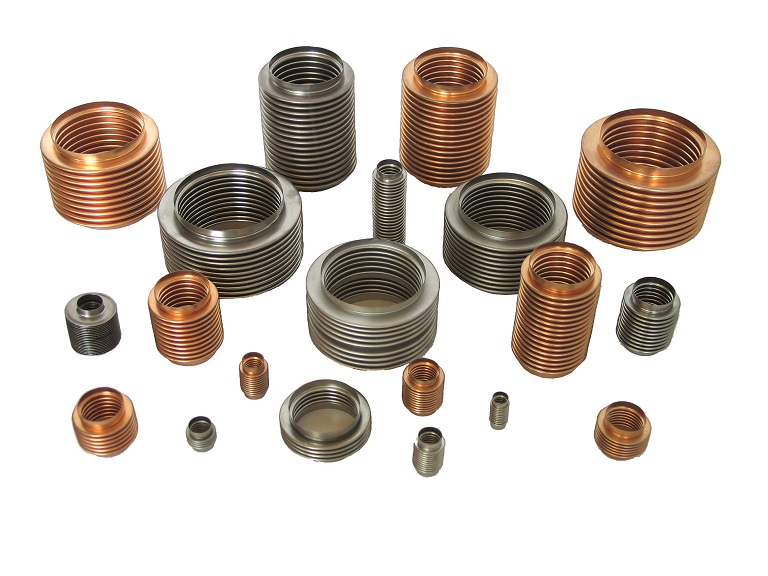
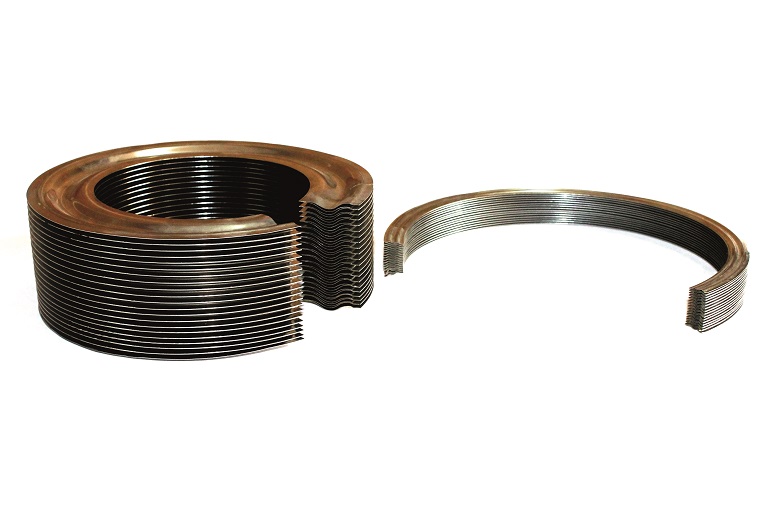
Multi-layer bellows designed for use as sensing elements, phase separators, sealing devices, and power unit components in various atmospheres, particularly suitable for liquid rocket engine combustion systems.

2 11

Multi-layer composite structures designed for thermal control and as strength elements of spacecraft, featuring aluminum and carbon fiber skins with aluminum foil honeycombs.

1 10

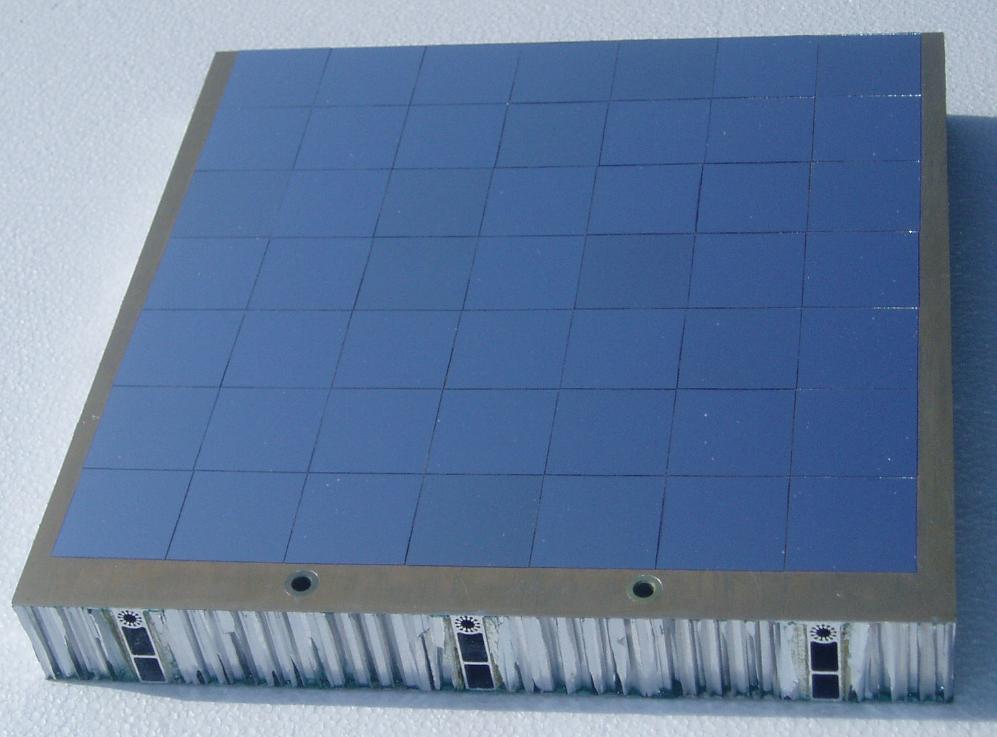
Multi-layer honeycomb panels designed for distributing high-precision and dimensionally stable equipment, available with fixed or attachable heat transfer tubes or fluid loops.

2 8

The MEF-01 is a multi-zone electrical furnace designed for conducting research on the International Space Station (ISS), primarily for experiments involving the cultivation of semiconductor crystals.

1 6

A high-power multichannel electric thruster designed for spacecraft propulsion systems, offering thrust up to 600 mN and a specific impulse of 1500-4000 s.

2 11

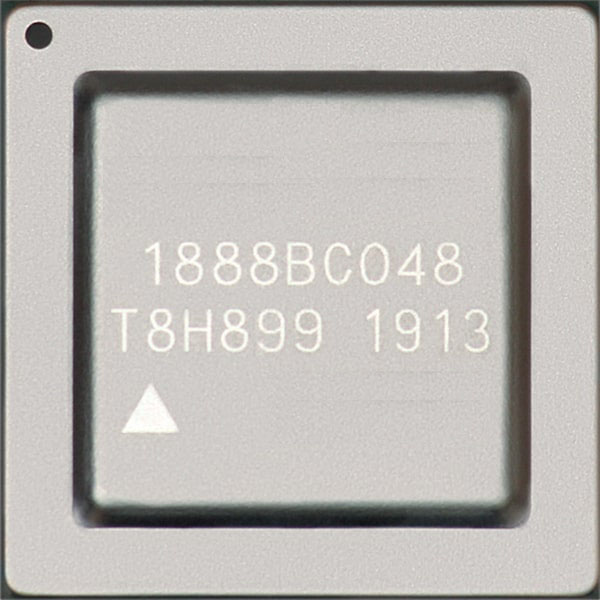
The Multicontroller 1888 BC 048 is a microelectronic component designed for creating small-sized integrated on-board information and control systems (BIUS). It features various interfaces and operates within a wide temperature range.

1 11

A multiple-beam feed is a component of a mirror antenna designed to form a set of narrow beams for a specified servicing area, enhancing signal strength for subscribers.

2 5

A nanosatellite attitude control unit designed to manage external magnetic coils integrated into solar panels, offering independent PWM signal generation for two axes.

1 12

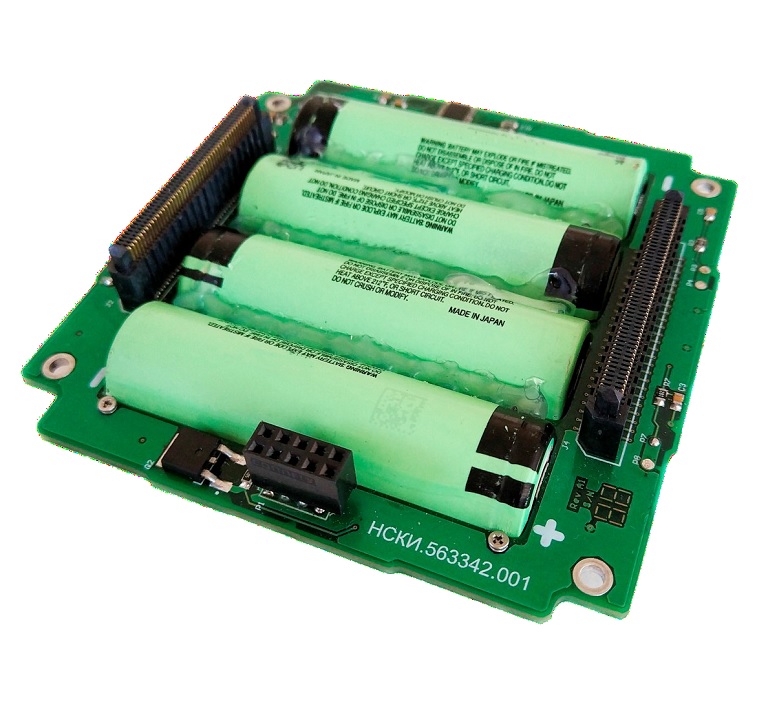
The Nanosatellite Battery Array is a power storage solution for nanosatellites, featuring overcurrent, overcharge, and overdischarge protection.

2 11

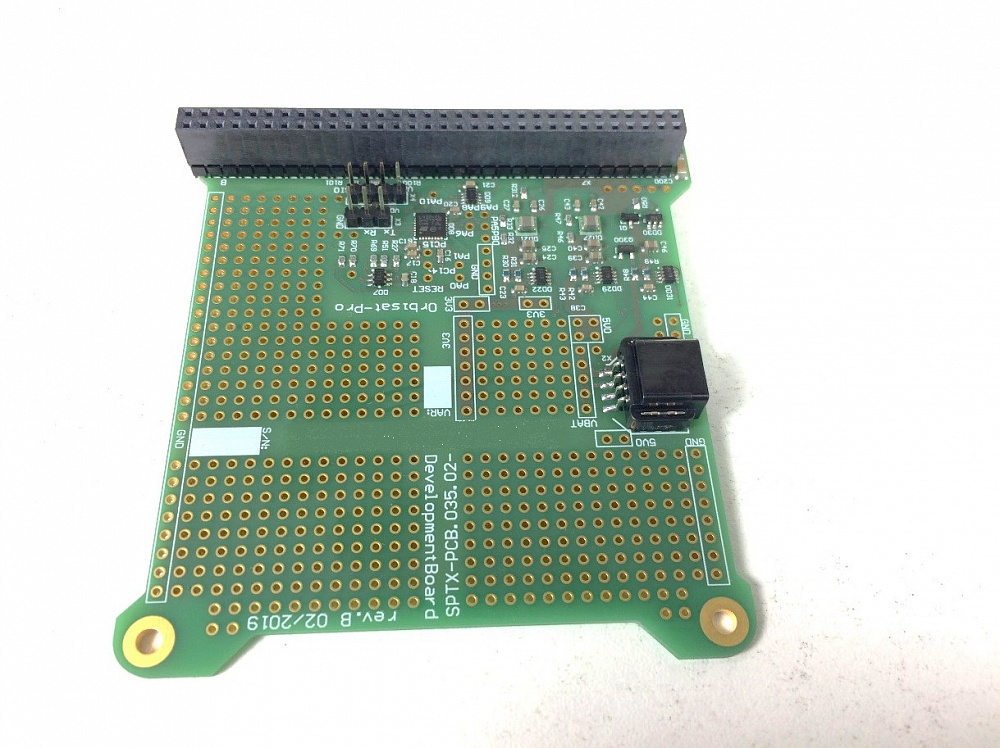
A debug board designed to facilitate the testing and debugging of any onboard system or a full nanosatellite, featuring multiple debugger interfaces and onboard system emulation.

2 11

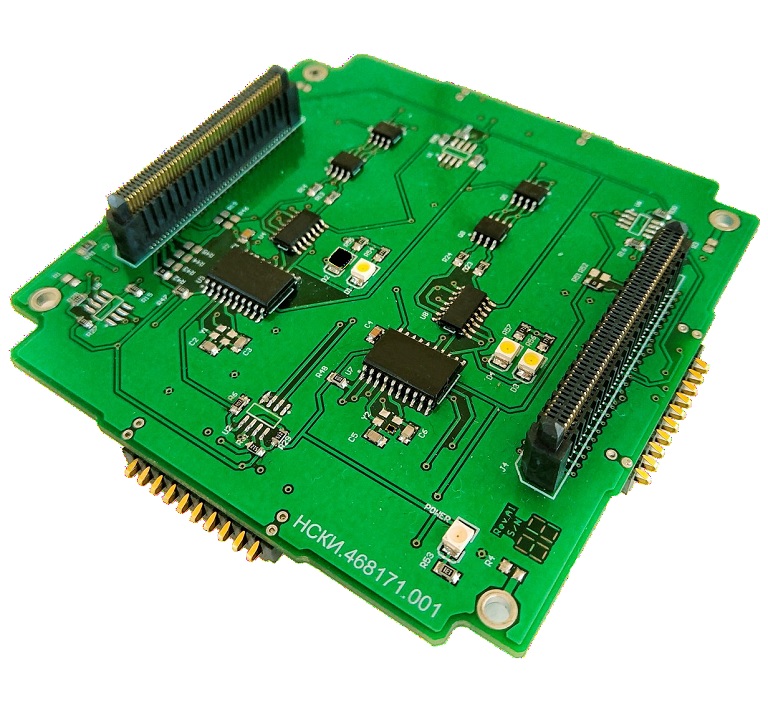
The Nanosatellite Electrical Power System is a board designed to provide power to nanosatellite systems and collect power from solar cells, featuring multiple constant and switchable channels, MPPT converters, and short current protection.

1 11
Flight-proven

Ground-based nanosatellite engineering model for developing and testing scientific payloads, software and onboard systems.

1 8

An onboard computer for nanosatellites that collects sensor data, processes measurements, stores results, forms control actions, and processes telecommands/telemetry.

2 13
TRL 6 · Prototype

Modular nanosatellite bus for spacecraft separation control, in-orbit monitoring, Earth remote sensing and space-debris/precursor detection missions.

1 18
Flight-proven

SamSat 3U CubeSat platform for scientific and technological experiments, with ~2 dm³ of payload volume.

1 13

The Nanosatellite Solar Panel is a solar cell board designed to generate electrical power for nanosatellites by converting light energy.

2 12

A nanosatellite transceiver designed for transmitting telemetry information and receiving telecommands, operating on VHF/UHF frequencies with a data rate of 9600 bit/s.

2 11
TRL 9 · Flight-proven

ERA-GLONASS/GNSS vehicle telematics module (48 ch, GPS+GLONASS, GSM/UMTS, accelerometer, RS-485/232, 9–36 V, 120 g, -40 to +85 °C, <8 W).

1 19

A ground support system designed to deliver compressed nitrogen for purging launch vehicle aft compartments and engine combustion chambers, and for fire protection.

2 5

A ground infrastructure equipment set that transmits AC power to consumers via a five-wire network with a dead ground neutral, drawing from the noninterrupted and backup power supply system.

1 8
Flight-proven

An on-board spacecraft reflector antenna that forms the required service coverage area and receives signals within its operating frequency band.

1 9
TRL 9 · Flight-proven

Multi-constellation GNSS board module (44 ch, GPS/GLONASS/Galileo/SBAS L1, 2.5 m 2Drms, 2×RS-232/LVCMOS, 71×51×12 mm, 10 g, 0.07 W). 4 hardware versions.

1 30

A large, high-precision antenna component designed for deep space exploration, featuring a 5-meter effective aperture and precise deployment repeatability.

1 8

The On-board Memory Unit is a flight-qualified data storage solution for small satellites and secondary payloads on larger spacecraft, offering autonomous data handling and high throughput.

2 14

An infrared Fourier spectrometer designed for spacecraft to measure outgoing thermal radiation spectra with high spectral resolution for operational meteorology and climatology.

2 10

Optical Glass is a cerium-doped glass plate designed to protect solar cells from the harsh environment of outer space.

2 1

The Optical Telecommunication Terminal is a ground segment solution for establishing high-speed optical communication links with LEO satellites, offering data transfer rates from 0.1 to 10 Gbit/s.

1 13

The Optoelectronic System of Detection and Measurement of Space Debris Motion (OES DSD) is a ground-based system designed for autonomous search and detection of space objects and debris in near-Earth space.

1 10

OrbiCraft 3D is an educational nanosatellite platform functional kit for studying satellite engineering principles, including design, assembly, testing and operation processes.

1 9

A P-band global-beam antenna designed for signal reception and forming a required servicing area, featuring four helical radiators made of polymeric composite material.

1 9

A PC/104 compatible Payload Baseboard designed for the development of satellite payloads and other systems, featuring a microcontroller with a CAN driver for satellite bus access.

2 15

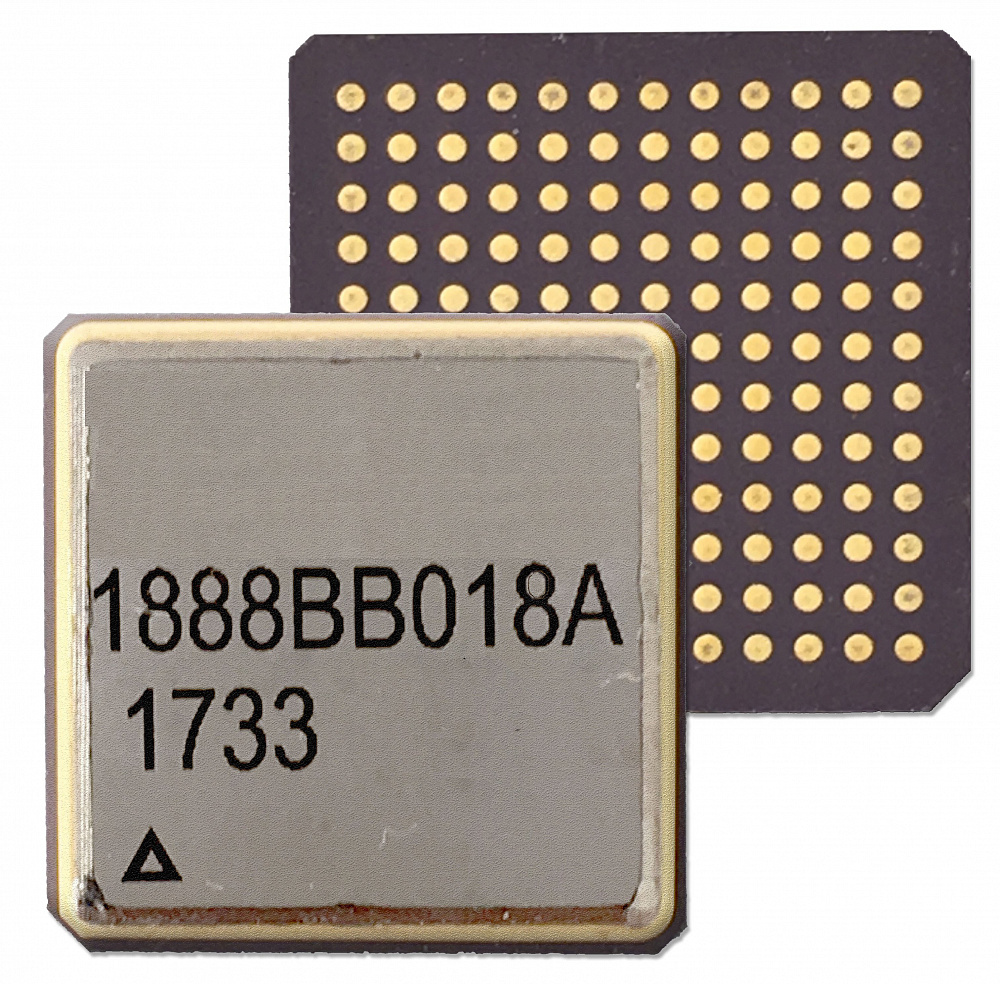
The 1888 BB 018 A is a PCI Express physical interface device chip designed to expand the functionality of interface modules and devices by supporting the high-speed PCI Express standard.

2 6

A personal emergency radio beacon that determines and transmits the location of a person in distress via satellite navigation systems, enabling search-and-rescue forces to home in on the distress site and communicate with the person by voice.

1 10

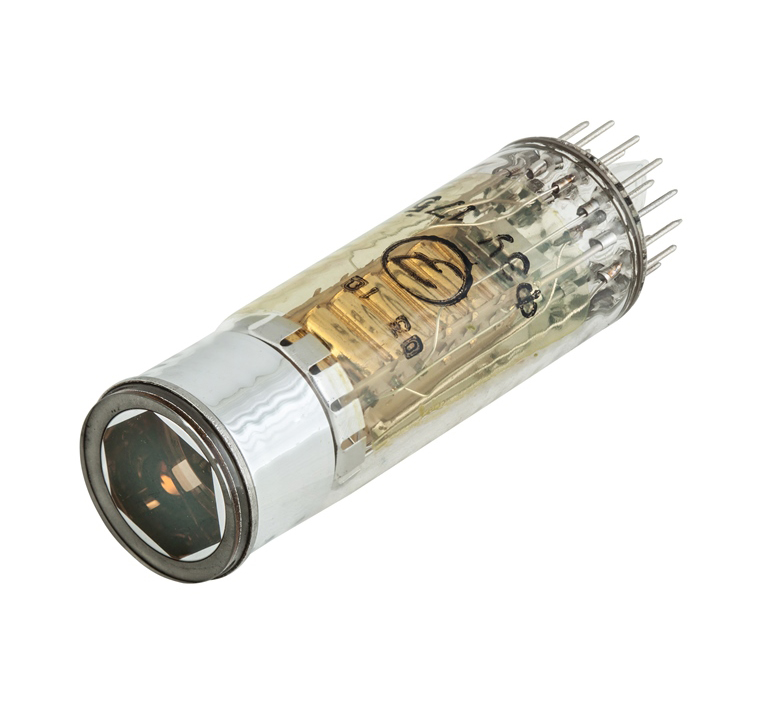
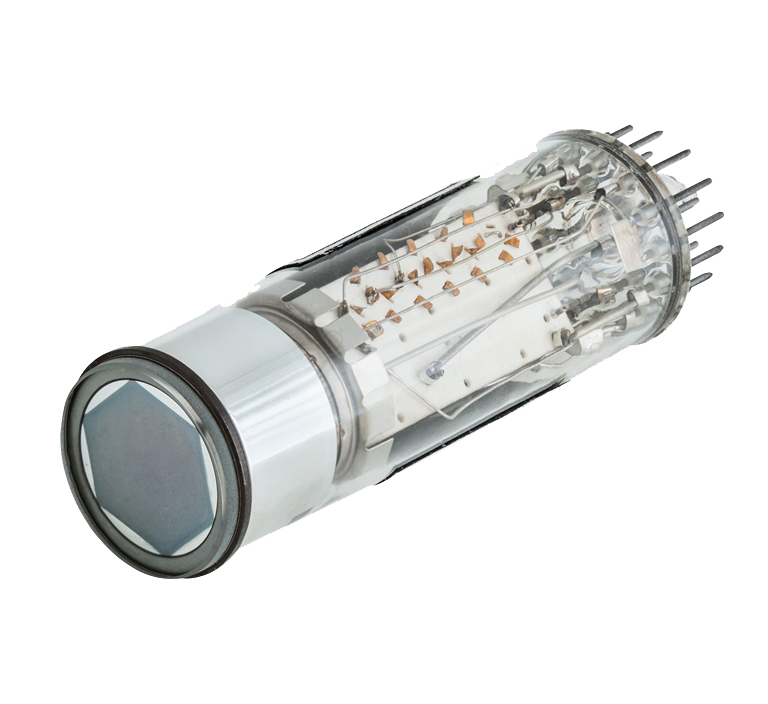
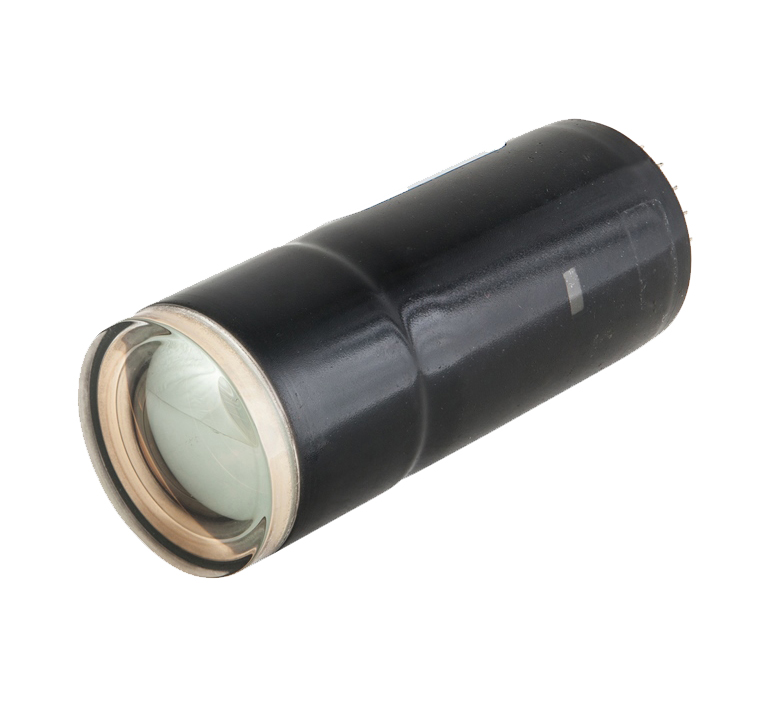
A photomultiplier tube (PMT-175) for multispectral research, special purpose equipment, and gas sensors, featuring an SbKCs photocathode and a 14-dynode linear multiplication system.

1 14

A photomultiplier tube for registering pulse signals in the visible and near-infrared ranges, used in multispectral research instrumentation.

1 15

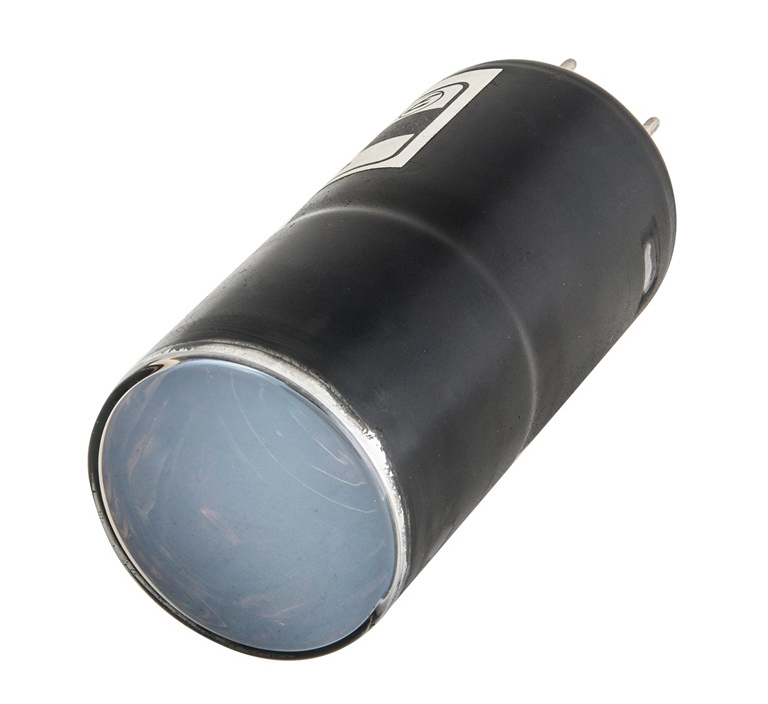
A radiation- and magnetic-field-tolerant photomultiplier tube (tetrode design) used for scintillation irradiation detection in high energy physics.

1 16

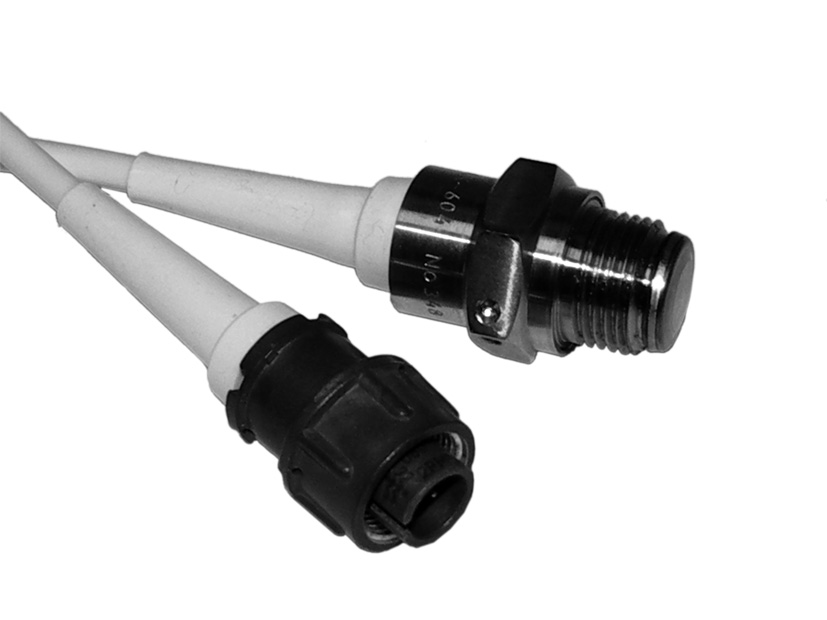
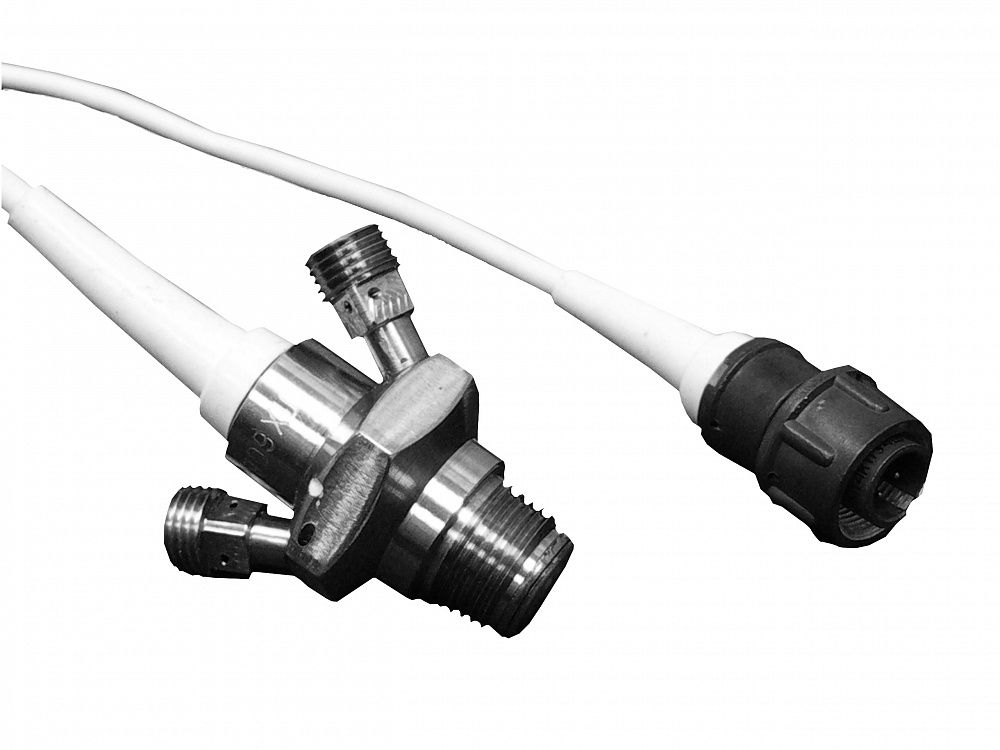
The LH 604 is a piezoelectric sensor designed to measure pressure pulsations in liquid and gaseous media within rocket and space technology power plants, working with a charge or voltage amplifier.

2 7

The LH 608 is a piezoelectric pressure pulsation sensor designed for measuring pressure pulsations in liquid and gaseous media in rocket and space technology power plants, working in conjunction with a charge amplifier.

1 6

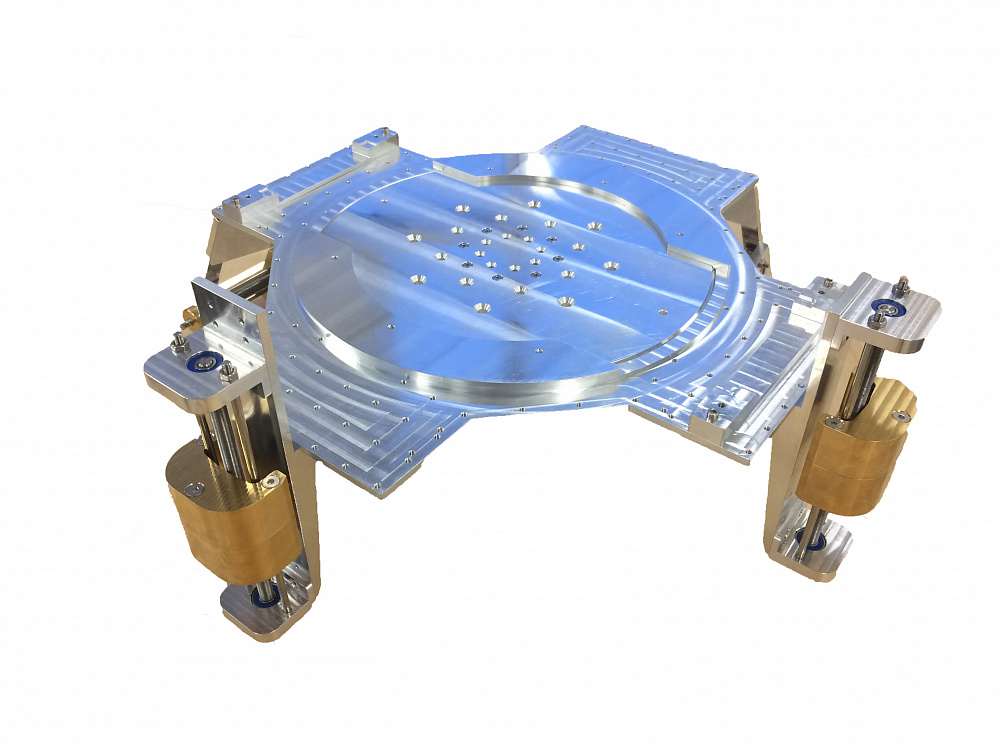
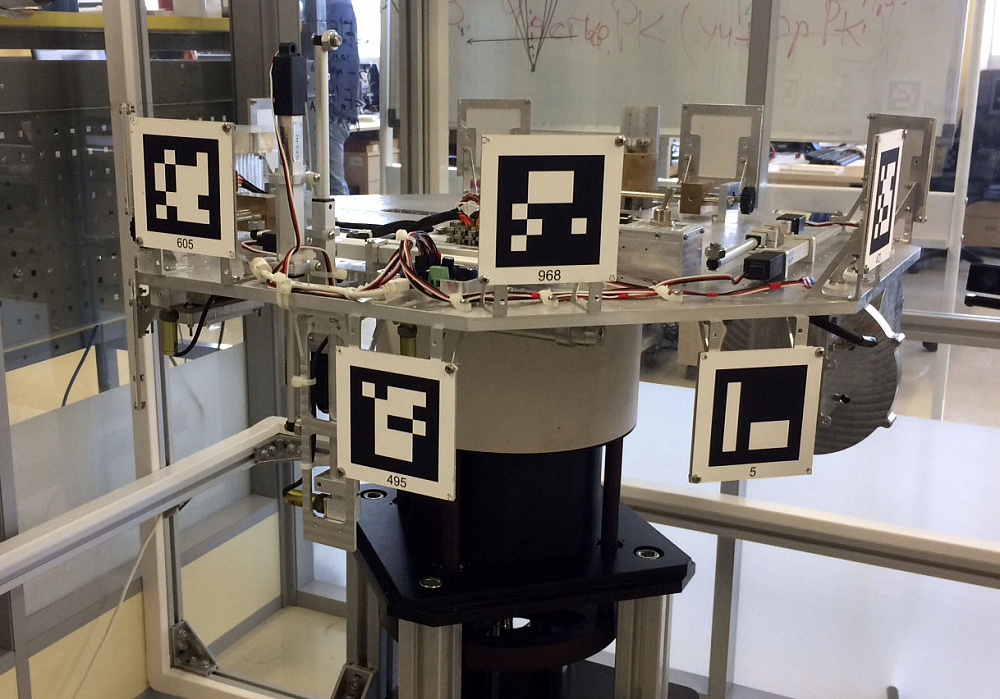
A ground test platform designed to hold and balance a 3U CubeSat with ADCS for testing on an air-bearing test bench.

1 7

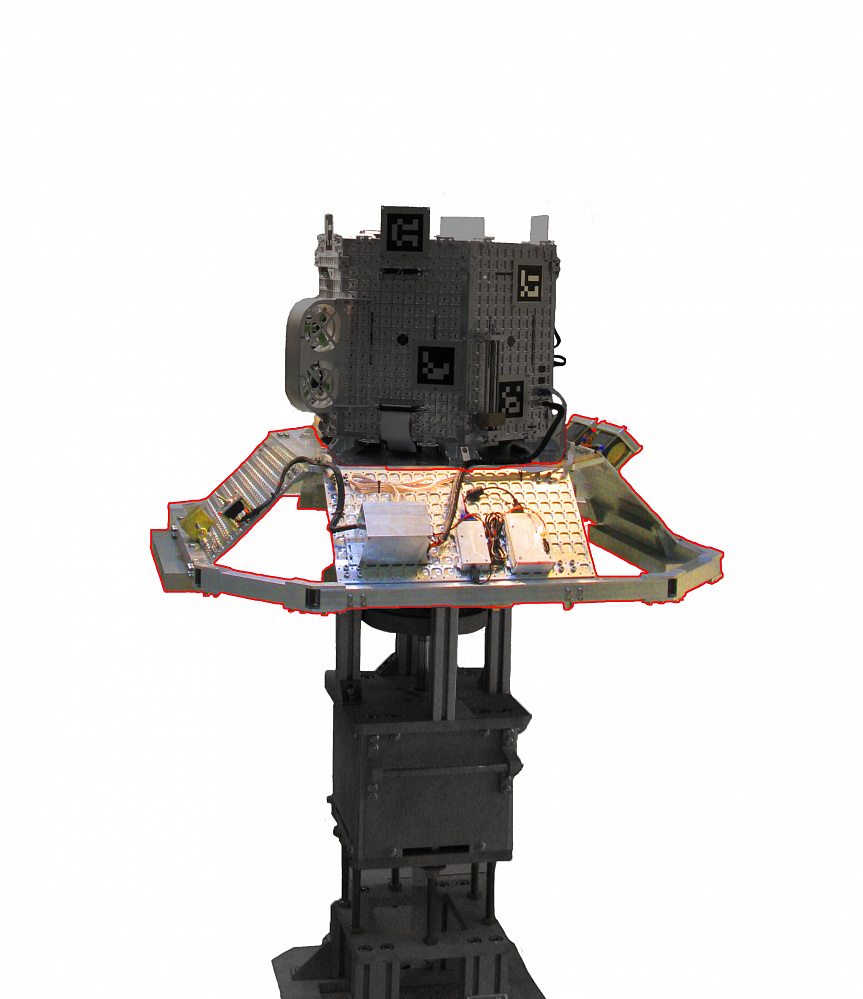
A ground test platform for mounting "TabletSat" small-satellite devices to test them on an air-bearing test bench.

1 5

A ground test platform designed for installing the TabletSat satellite for testing on an air-bearing test bench.

1 9

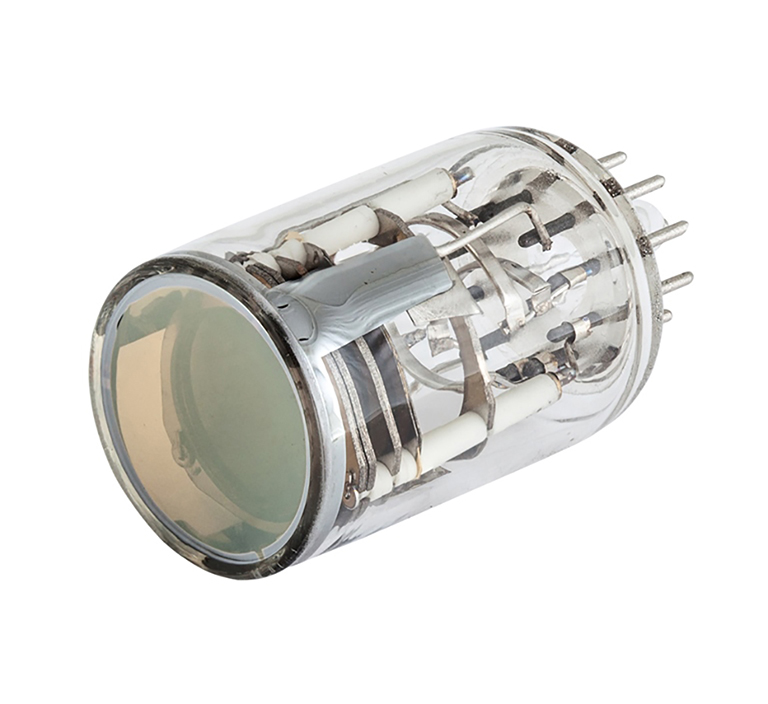
PMT-188 is a photomultiplier tube photodetector designed to operate reliably under strong magnetic fields (up to 4T) and radioactive exposure (up to 2kGy), for use in scientific instrumentation.

2 16

The 14Ц820 navigation receiver is a portable device designed for in-field coordinate-time tasks, utilizing GLONASS and GPS space navigation systems.

11

This power module provides electric power to a mobile temperature control unit, designed for use during the transportation of sensitive products, likely space hardware.

2 9
Flight-proven

A power supply system designed for satellite subsystems, featuring three independent charger units with MPPT, multiple output channels, and support for various solar panel types.

2 17

A pressure alarm designed to generate an alarm signal when overpressure exceeds the maximum permissible level, suitable for pneumatic automation equipment.

2 8

The Type 1 Pressure Reducer is a pneumatic automation component designed for propellant pressure reduction in spacecraft, offering a guaranteed service life of 19 years.

1 8

The Pressure Reducer Type 2 is a pneumatic automation equipment designed for propellant pressure reduction in spacecraft propulsion systems.

1 9

A Type 3 pressure reducer designed for propellant pressure reduction, suitable for use in pressure integrity check units.

1 9

An electric valve designed to open, close, and reduce high-pressure gas lines, maintaining a specified low pressure range.

2 11
Flight-proven TRL 9 · Flight-proven

Thin-film strain-gauge pressure sensor for rocket/space systems (0–60 MPa range, 0.25% error, 0.15 kg, -196 to +50 °C, high vibration/shock resistance).

1 11

The Pressure Sensor 100 is a piezoresistive sensor designed for measuring absolute slowly varying pressure of liquid and gaseous media in spacecraft propulsion units and on-board systems.

2 8

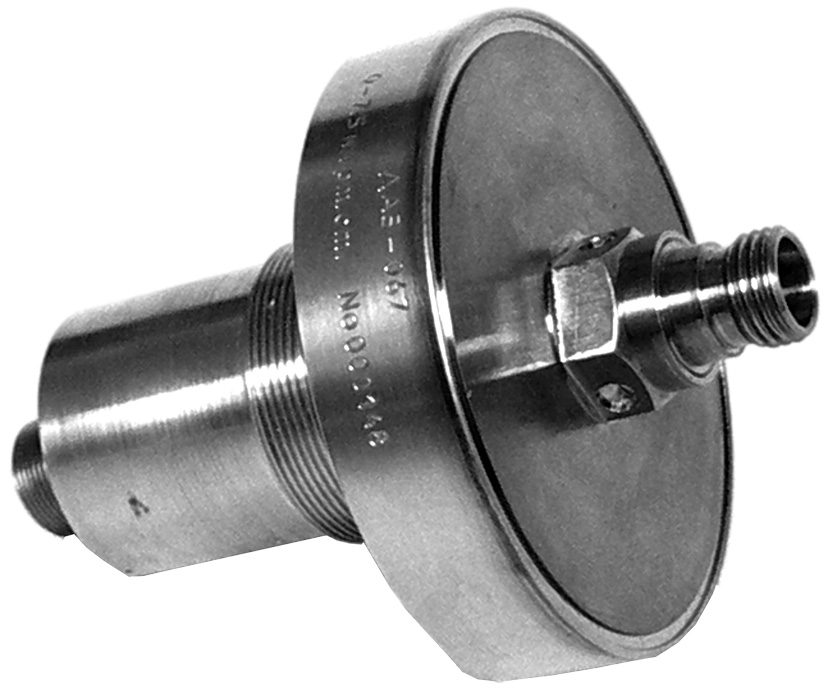
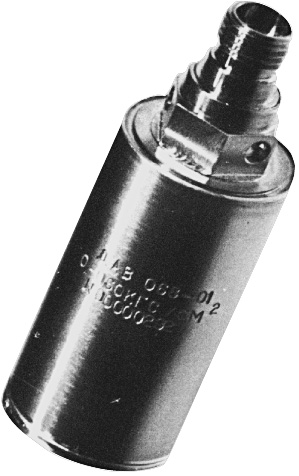
The Pressure Sensor DAV 067 converts absolute pressure of liquid and gaseous aggressive and non-aggressive working media into an electrical signal for control and diagnostics of liquid rocket engines.

1 8

The DAV 068 is a flight-qualified pressure sensor designed for measuring absolute pressure of liquid and gaseous media in rocket and space technology monitoring and diagnostics systems.

2 8

The Pressure Sensor Frequency Vt 1201 is a high-precision, noise-immune sensor designed for measuring excess static and gradient pressure in liquid and gaseous aggressive and non-aggressive media, specifically for rocket and space technology.

1 8

The Pressure Sensor Vt 212 is a strain gauge sensor designed for measuring static-dynamic pressure in liquid and gaseous aggressive and non-aggressive media within liquid rocket engines.

2 9

The Pressure Sensor Vt 212 A.1 is a flight-qualified thin-film strain gauge sensor designed for measuring static-dynamic pressure in liquid rocket engines, capable of operating in aggressive and non-aggressive media.

2 7

The Pressure Stabilization Unit (PSU) is a flight-qualified component designed to maintain stable propellant pressure for spacecraft propulsion systems, utilizing hydrazine propellant.

1 12

The Vt 227 is a flight-qualified primary absolute pressure transducer designed for measuring liquid and gaseous media in artificial Earth satellites, offering high reliability and precision in a narrow measurement range.

2 8

The VT-718 is a primary linear displacement transducer designed for measuring linear displacements of objects in rocket and space technology control systems, featuring high reliability under harsh environmental conditions.

1 9

This software complex processes, monitors, and visualizes geospatial data, converting standard raster formats into a unified tile format for efficient storage and presentation.

1 5

A software program complex for operational visualization of various geospatial information in planned and 3D modes, capable of offline operation and performing basic computing tasks.

6

The Propellant Management Assembly (PMA) reduces high-pressure propellant and supplies it from a storage unit to an XFC within a required pressure range, specifically for stationary plasma thrusters using xenon.

2 14

The Propulsion System (PS) for Nanosatellite Platform is an electrothermal propulsion unit designed for orbital maneuvering of cubesat-class spacecraft.

1 15

A one-degree-of-freedom electromechanical device that rotates a three-thruster propulsion unit around a single axis, holds it in transport position during launch, and regulates its temperature.

1 14

An explosion-proof pumping station with a submersible pump that supplies hydraulic fluid (oil) at specified pressure, filtration, and flow rate to closed-loop hydraulic systems used in launch ground infrastructure.

1 11
Flight-proven

Pyrolock is a spacecraft attachment and shock-free separation device designed to secure a spacecraft to an adapter and release it using a command from the booster control unit.

2 9

The Q-band Band-pass Filter is designed to ensure signal transmission within a specific frequency band while suppressing signals outside of that operating band.

2 2

A small-size quad-band (X, L, P, VHF) synthetic aperture radar for Earth remote sensing surveying, designed for operation aboard various types of aircraft.

2 10

PMT-187 is a radiation-hard photomultiplier tube designed for scintillation counting in high-energy physics systems that operate under simultaneous exposure to strong magnetic fields, radioactive fields, and elementary particles.

1 15

A radiation-hard photomultiplier tube (PMT-187) designed for scintillation counting in high-energy physics systems that must operate under simultaneous exposure to strong magnetic fields, radioactive fields, and elementary particles.

1 16

The Radiation Hard Vidicon LI501-1MK is a radiation-hardened vidicon camera tube designed for TV cameras operating in high radiation environments up to 5·10^7 rad, featuring magnetic focusing and electrostatic deflection.

2 16
Flight-proven

A passive radiation refrigerator designed to cool radiation receivers to cryogenic temperatures in space, with flight heritage on Meteor-M and Electro-L satellites.

2 10

A radiation-resistant, highly reliable VLSI System-on-Chip (SoC) with an integrated microprocessor core, designed for critical space, air, and ground applications.

1 10

The RK-SM Radio Complex set is designed for integration into the on-board radio systems of the 'Meteor-M' spacecraft, enabling reception of signals from COSPAS-SARSAT emergency beacons and transmission of distress signals.

2 10

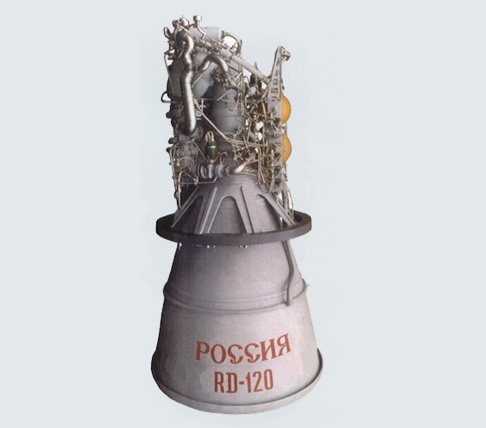
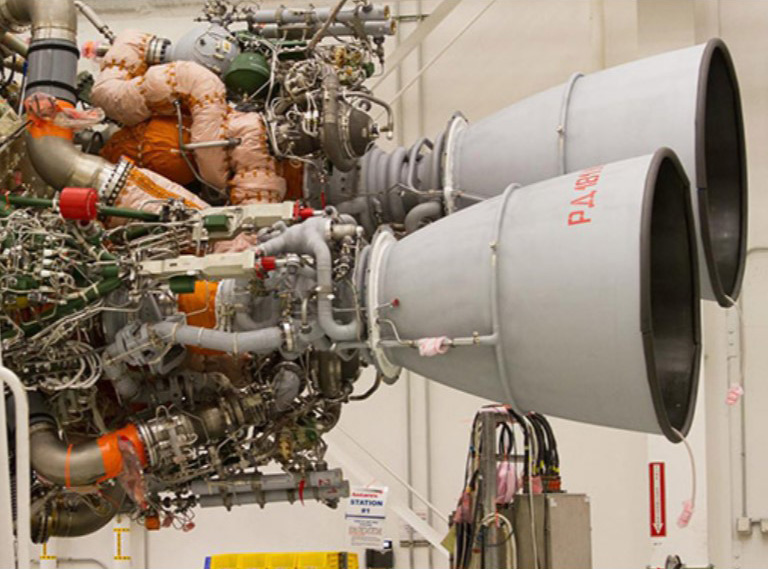
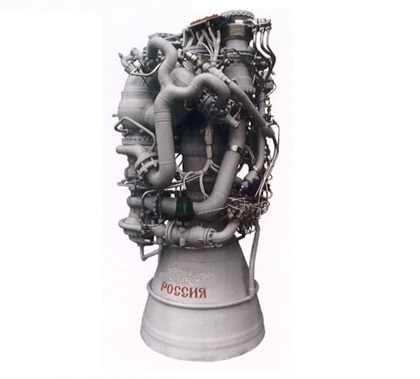
RD-120MS is a modification of the RD-120 liquid rocket engine with afterburning of oxidizing gas, intended for the upper stages of promising Russian and foreign launch vehicles.

1 13

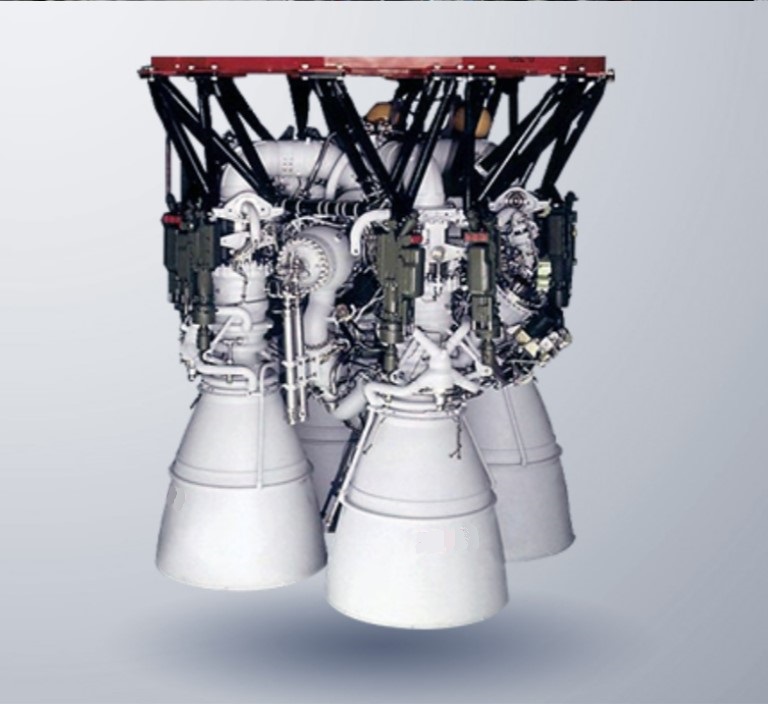
The RD-171 M is a powerful liquid rocket engine designed for the first stage of the Zenit launch vehicle, utilizing oxygen and kerosene propellants with an afterburning oxidizing gas cycle.

5 15

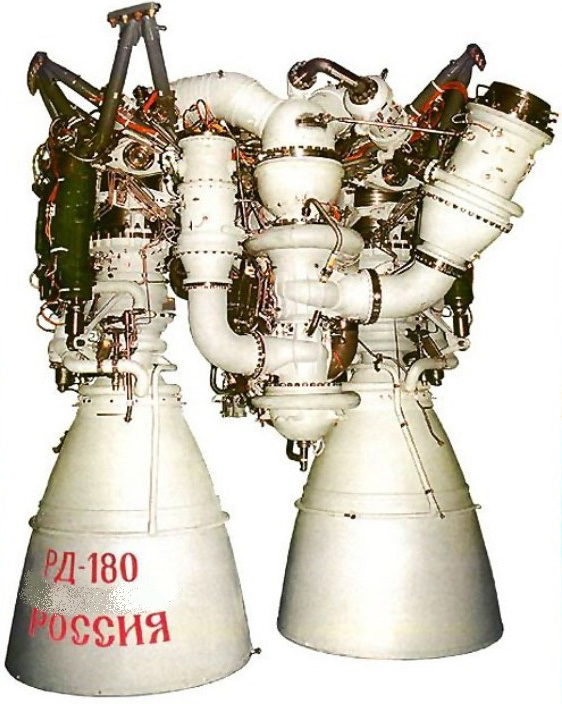
The RD-180 is a liquid rocket engine with afterburning of oxidizing gas, designed for the first stage of the Atlas launch vehicle family, using oxygen and kerosene as propellants.

5 15

The RD-181 is a liquid rocket engine with afterburning of oxidizing gas, designed for the first stage of the Antares launch vehicle, using oxygen and kerosene as propellants.

3 15

The RD-182 (120M) is a liquid-propellant rocket engine, a terrestrial modification of the RD120MS, designed for the first stages of promising Russian and foreign launch vehicles.

2 12

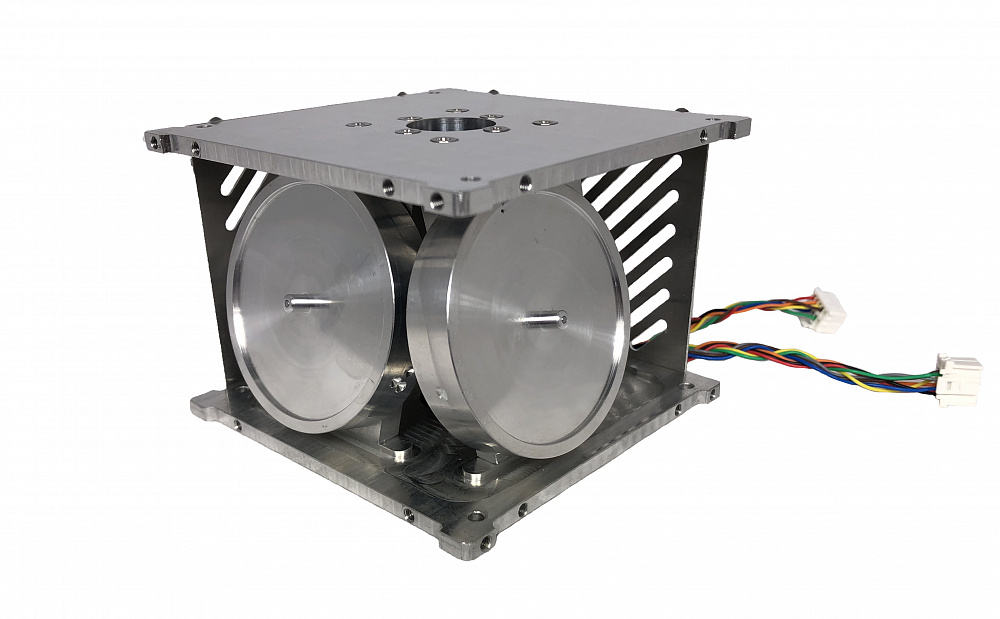
The Reaction Wheels Block is an executive part of a CubeSat three-axis orientation and stabilization system, containing four reaction wheels for precise attitude control.

2 13

A sealed rechargeable battery providing power for ground-based space infrastructure, offering 70 Ah capacity at 28.8 V nominal voltage with a 15-year guaranteed service life.

2 13

This is a rechargeable battery designed for power supply of spacecraft, featuring a capacity of 90 Ah and a nominal voltage of 28.8 V.

2 14

This is a rechargeable battery designed for power supply in both spacecraft and ground infrastructure, offering a capacity of 20 Ah and a nominal voltage of 23.8 V.

2 13

A reflector component for a Ku-band multiple-beam antenna, designed for spacecraft applications with a guaranteed service life of 15 years.

1 12

The Reflector Drive Mechanism is a two-degree-of-freedom electromechanical device designed to rotate a large deployable antenna reflector on a spacecraft from its transportation to operational position and for subsequent readjustment during orbital flight.

2 12

An electromechanical device utilizing linear drives to precisely adjust the operating surface profile of large reflectors based on control system commands.

2 10
Flight-proven

A C-band antenna reflector designed to form a planimetric directional diagram, suitable for spacecraft applications.

2 11

A reflector component for a large Ku-band antenna system designed to form a planimetric directional diagram, with a guaranteed service life of 15 years.

1 11

The Reflector Transfer Mechanism is a two-degree-of-freedom electromechanical device for deploying and pointing antenna reflectors on spacecraft.

2 14

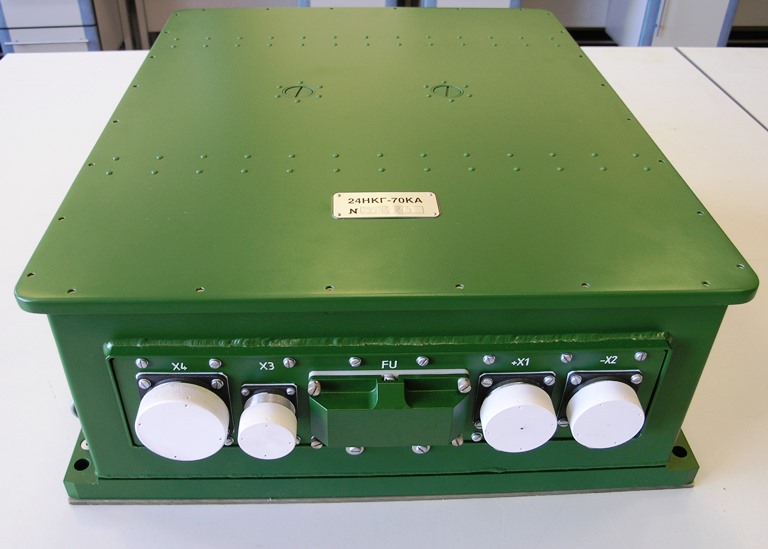
The ARK-MKA is a monoblock equipment designed for the regulation and monitoring of a spacecraft's electric power supply system, suitable for high-orbit missions.

1 14

The Release Device (electromechanical, shock-free) Type 1 is designed to hold mechanical device hold-down locks in a cocked position, ensuring secure retention until release is required. It features a shock-free operation and has a flight qualification history from 2019.

2 10

The Release Device (electromechanical, shock-free) Type 2 is designed to hold mechanical device hold-down locks in a cocked position, ensuring shock-free release.

2 10

A linear electromechanical mechanism designed for the deployment and fixation of umbrella-type deployable reflectors on spacecraft.

2 13

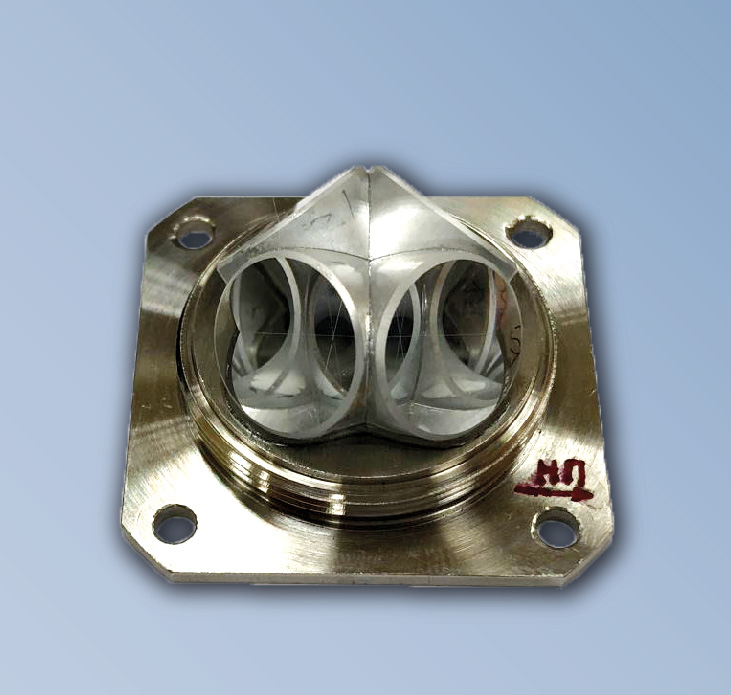
The "Pyramid" retroreflector system is a small-sized assembly of four angle reflectors designed for the 'Condor-FKA' spacecraft to re-reflect laser radiation for on-board equipment calibration.

2 3

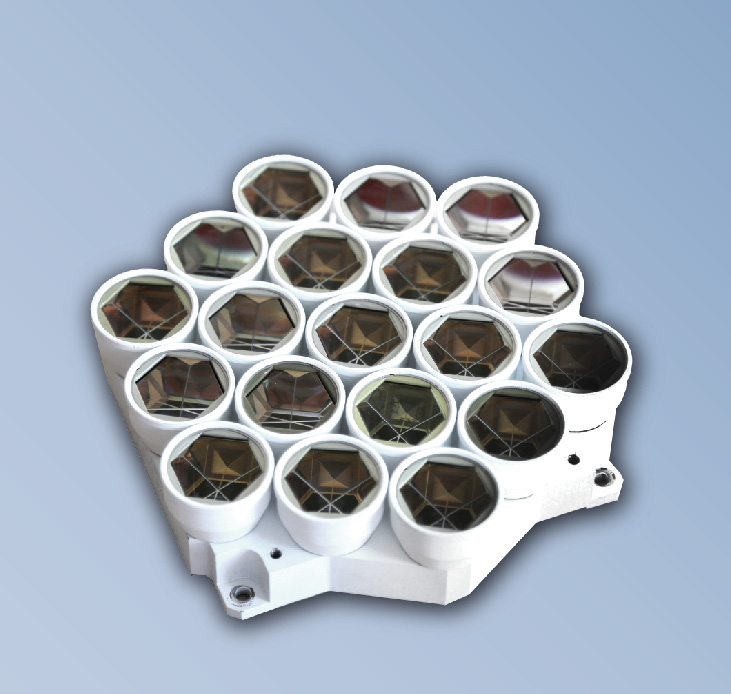
A retroreflector system designed for the Luna-Globe spacecraft, used for re-reflecting laser radiation to measure range from ground quantum-optical stations.

2 3

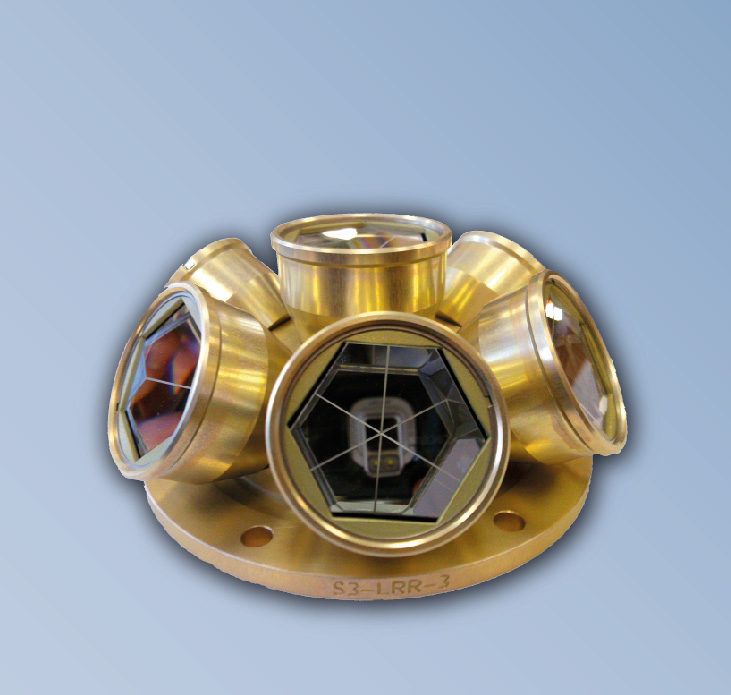
A retroreflector system designed for the Sentinel-3 spacecraft, consisting of seven angle reflectors with a double-spot directional pattern.

2 2

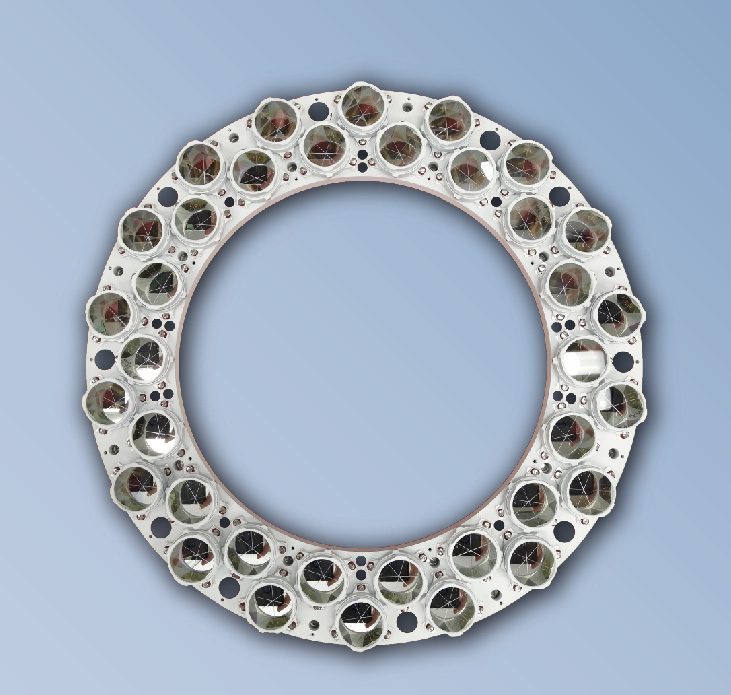
A ring retroreflector system designed for the GLONASS-K2 spacecraft, consisting of 36 angle reflectors to form a double-spot directional pattern.

2 3

The S-band Part-turn Antenna System is a ground-based antenna designed for receiving S-band signals from geostationary satellites.

1 12

A training complex for receiving radiosignals from spacecraft, based on software-defined radio technology and including two fixed antennas.

1 8

A laser ranging and velocity measurement system designed for spacecraft, enabling automatic docking by precisely measuring mutual arrangement parameters.

1 12

The Satellite Multiband Imaging System is an optoelectronic instrument designed for Earth and water surface surveys in three spectral bands (visible and near-IR). It consists of two identical multispectral camera devices.

2 15
Flight-proven

A 1U CubeSat platform designed for scientific and educational missions, featuring an integrated power supply, onboard computer, UHF transceiver, and flight heritage.

1 17

The Satellite Platform CubeSat 3U is a fully assembled, verified, and tested satellite platform designed for scientific and educational missions, offering an active lifetime of at least 6 months in LEO.

1 16

A 3U CubeSat platform designed for complex space missions like remote sensing, featuring a 3-axis orientation and stabilization system and GaAs solar panels.

1 16

A 6U CubeSat satellite platform designed for complex space missions, featuring a 3-axis orientation and stabilization system, GaAs solar panels, and an integrated power supply, ADCS controller, and communication systems.

1 16

Screen-Vacuum Thermal Insulation (SVTI) is a passive thermal control system for orbital spacecraft, designed to reduce heat transfer and protect against micrometeorites and space debris.

1 3

The DRI 095 is a flight-qualified differential pressure sensor designed for monitoring and control systems in rocket and space technology, measuring pressure differences in gaseous and vaporous media.

2 8

The 612M is a flight-qualified, high-temperature piezoelectric sensor designed for measuring rapidly varying pressures in liquid and gaseous aggressive and non-aggressive media within rocket and space technology power plants.

2 7

The Sensor of Rapidly Varying Pressures 611M is a piezoelectric sensor designed for measuring rapidly varying pressures in liquid and gaseous non-aggressive media within power plants and pneumohydrosystems of space rocket technology.

2 7
Flight-proven

A clamp band separation device designed for shock-free spacecraft separation from an adapter, activated by a command from the booster control unit.

2 10

A set of fixing devices designed to secure a nanosatellite on the desktop of equipment used for measuring its center-of-mass position and inertia characteristics.

1 3

A shaping telescopic element designed for the deployment of large transformable reflectors on geostationary spacecraft, allowing for the disclosure of multi-pointed spokes with reverse movement capability.

5 8

A silicon solar panel for satellites, featuring built-in electromagnetic coils for stabilization and a robust mechanical design. It provides electrical power and can assist with spacecraft orientation.

2 15

A side-mounted silicon solar panel for CubeSats that serves as the electrical power source and includes a built-in electromagnetic coil usable for orientation and stabilization.

1 16

The Signaling Device (FAM) monitors the maximum permissible concentration of oil in high-pressure air at the outlet of compressor stations, ensuring air quality for critical applications.

2 11

Single layer metal measuring bellows are flexible sensing elements designed for use in various measuring, monitoring, and control devices, particularly within automated control systems for the rocket and space industry.

2 6
Flight-proven

The Single-actuation Drive Type 1 is an electromechanical rotary drive designed for the deployment of spacecraft structure elements such as solar array panels, booms, and antennas.

2 12
Flight-proven

The Single-actuation Drive Type 2 is an electromechanical rotary drive designed for the deployment of spacecraft structure elements such as solar array panels, booms, and antennas.

1 11
Flight-proven

The Single-actuation Drive, Type 3, is an electromechanical rotary drive designed for the deployment of large mechanical system elements on spacecraft, such as solar array panels, booms, and antennas.

1 11
Flight-proven

The Single-actuation Drive Type 4 is an electromechanical rotary drive designed for the deployment of spacecraft structural elements such as solar array panels, booms, and antennas.

2 10

The Single-Actuation Drive, Type 5, is an electromechanical rotary drive designed for the deployment of large mechanical system elements on spacecraft, such as solar arrays, booms, and antennas.

2 12

The Single-Actuation Drive Type 6 is an electromechanical rotary drive designed for the deployment of large mechanical system elements on spacecraft, including solar array panels, booms, and antennas.

2 11

The Single-beam Feed is a component of mirror antennas, designed to form a narrow field pattern and enable antenna repointing within a specified servicing area.

2 5

A manufacturing service for producing single-unit and small batches of ceramic radioelectronic modules with 3D topology, including modules for microwave ranges, using LTCC technology.

4 9

This product offers single-part and small-scale production of interconnection ceramic printed circuit boards designed for microwave transmitting-receiving radio equipment units.

2 8

Precise and reliable gyroscopic device for measuring the angular coordinates of boreholes, including horizontal drilling, on the basis of fiber-optic gyroscopes and micromechanical accelerometers, which does not require the lifting of drill pipes and preinsertion in the borehole.

1 4

A compact GLONASS/GPS navigation receiver for determining current coordinates, ground speed and course of travel.

2 10

The small-size block for measuring the angular velocity is designed to measure the integrals of the absolute angular velocity vector projections of the spacecraft when operating in the orbital section of the spacecraft as part of the spacecraft control system. The instrument is designed as a free-fo

1 9

An upgraded version for KIND34-040. The small-size device for measuring the angular velocity is designed to measure the integrals of the absolute angular velocity vector projections of the spacecraft when operating in the orbital section of the spacecraft as part of the spacecraft control system. Th

1 9
Flight-proven TRL 9 · Flight-proven

Flight-proven SADM (5.3 kg, 280 A power transfer, 25 power circuits, 140,000-hr life). Heritage: Express-AM5, Express-AM6.

1 16

The Solar Array Drive Mechanism (SADM) Type 2 is an electromechanical device designed for the precise rotation of solar array wings on spacecraft, ensuring optimal power generation.

2 16

An electromechanical solar array drive mechanism designed for continuous rotation of solar array wings, electrical power transmission, and output shaft rotation angle signal generation.

2 15

An electromechanical solar array drive mechanism that continuously rotates satellite solar array wings at a controlled rate while transmitting electrical power and telemetry/control signals.

2 14

The Solar Array Drive Mechanism (SADM) Type 5 is an electromechanical device designed for the continuous rotation of solar array wings on spacecraft, ensuring optimal power generation.

2 14

The Type 6 Solar Array Drive Mechanism (SADM) is an electromechanical device designed for continuous rotation of solar array wings, electrical power transmission, and output shaft rotation angle signal generation.

2 13
Flight-proven

A deployable solar array mechanical device providing power supply to spacecraft systems, capable of generating up to 25 kW of power.

2 10

A solar cell battery designed for CubeSat spacecraft, serving as a primary component of the power supply system and part of a measurement and motion control complex satellite system.

4 7

This is a triple-junction solar cell (GaInP2 / GaAs / Ge) designed for spacecraft solar power systems, converting solar energy into electrical power.

2 11

The Solar Panel Check Stand is a ground support equipment designed for weight relief and opening-out testing of small-size solar panels for space applications.

2 10
Flight-proven

A mechanical hold-down lock designed to secure solar panels in their stowed position during launch and early orbital operations, featuring a robust clamping force and extensive flight heritage.

2 10

An automated ground-based system that simulates weightlessness for testing large-sized spacecraft elements such as solar panels.

1 11

The Solenoid Valves 12 PT are single-stage, multi-starting, normally closed valves with a Teflon seal, designed for remote flow control of various liquid and gaseous media, including propellants.

1 12

The Solenoid Valves 12 PT-01 are single-stage, multi-starting, normally closed valves with a Teflon seal, designed for remote flow control of liquid and gaseous working media in space applications.

1 12

The 26 РТ-200 Solenoid Valve is a single-stage, multi-starting, normally closed valve with a Teflon seal, designed for remote flow control of various liquid and gaseous working media.

1 12

The Solenoid Valves РТ 200-00-01 are single-stage, multi-starting, normally closed valves with a teflon seal, designed for remote flow control of various liquid and gaseous working media.

1 12

The Solenoid Valve RT 200-00-02-03 is a single-stage, multi-starting, normally closed valve with a Teflon seal, designed for remote flow control of liquid and gaseous working media in space applications.

1 12

Soyuz-2 is a series of Russian expendable medium-lift launch vehicles, representing the seventh major iteration of the Soyuz rocket family, featuring upgraded engines and a digital flight control system.

1 63
Flight-proven

Modernized medium-lift Soyuz launch vehicle with digital flight control, flown from Baikonur, Plesetsk and Vostochny.

1 11

The Space Platform 100 is a small spacecraft platform designed for various orbital missions, supporting payloads up to 100 kg for applications like communications and remote sensing.

3 15
Flight-proven TRL 9 · Flight-proven

Small-satellite bus (up to ~70 kg) for technological, scientific and educational missions in low circular orbit.

1 17

Platform for small spacecraft weighing up to 700 kg. Height of operation on different types of orbits – from low circular to geostationary. The ICA platform is divided into several independent modules. Each module separately is a subsystem of the platform and is a functionally and structurally separ

1 9

An onboard digital imaging system for stationary spacecraft that captures video/images of the environment and objects in the field of view and stores them for later downlink.

2 12
Flight-proven

A high-precision orientation and stabilization system for medium-orbit spacecraft, designed to manage spacecraft attitude, perform programmable turns, and ensure energy levels.

3 17
Flight-proven

A mechanical device designed for the shock-free separation of spacecraft from an adapter, featuring locks, spring-loaded pushrods, a clamp-band with explosive pins, separation connectors, and sensors.

2 12

A special-purpose ground transportation vehicle with variable geometry, designed to carry launch vehicle parts and other heavy-weight loads.

1 10
TRL 6 · Prototype

PMT-183 spectrometric PMT (300–850 nm, 72 mm cathode Ø, S20 multialkali, 100 µA/lm, 8 ns rise time, venetian-blind 12-dynode). For gamma detection.

1 19

A spectrometric photomultiplier tube designed for research of fast processes, featuring a 40 mm SbKCs photocathode and sub-3 ns pulse rise time.

1 14

A spectrometric photomultiplier tube (PMT-176) used for photometry, spectrometry, and scintillation-based gamma-radiation detection.

2 14

BLITZ is a passive low-orbital laser microsatellite-target designed for precision laser measurements of range and research of geodeformations and geodynamic processes.

2 3

Passive HF power splitter for signal distribution in Ka-band flight communication equipment.

1 7

Passive HF power splitter for signal distribution in Ka-band flight communication equipment.

1 7

The Star Tracker GEO is an autonomous star tracker designed for star-based satellite attitude determination, specifically for geostationary Earth orbit (GEO) applications.

2 17

The Star Tracker LEO is an autonomous star tracker designed for satellite attitude determination in Low Earth Orbit (LEO) up to 1200 km, offering a guaranteed service life of 5 years.

2 17

A ground-based test device that displays simulated star field imagery on a screen to test star trackers alongside other ADCS components.

1 8

A thermocatalytic thruster unit designed for spacecraft station keeping, utilizing hydrazine propellant and featuring redundant components for reliability.

2 9

A thermocatalytic thruster unit designed for spacecraft station keeping, utilizing hydrazine propellant and featuring main and redundant thrusters, heaters, and temperature sensors.

1 9

A Stationary Plasma Thruster (SPT) designed for spacecraft station keeping and orbit raising, utilizing xenon propellant and featuring a classical magnetic system.

1 16
Flight-proven

A Stationary Plasma Thruster (SPT) designed for spacecraft station keeping and orbit raising, utilizing xenon propellant and offering discharge power up to 5 kW.

2 17

A Stationary Plasma Thruster (SPT) designed for spacecraft station keeping and orbit raising, utilizing xenon propellant and offering up to 6 kW discharge power.

2 20
Flight-proven

A xenon-fueled Stationary Plasma Thruster with a nominal discharge power of 1350 W, designed for spacecraft station keeping and orbit raising, featuring a classical magnetic system and extensive flight heritage.

2 20

A strain-gauge pressure transducer for measuring rapidly changing pressures of liquid and gaseous media, used together with LH 5514/LH 5515 amplifiers.

1 8
Flight-proven

A string accelerometer designed to measure the apparent acceleration of space objects, with flight heritage on the Soyuz launch vehicle.

1 8

A 1U CubeSat structure designed for simple and fast assembly, providing a durable base for satellites with easy access to internal devices and supporting modular construction based on PC104 PCB stack.

2 13

A 3U CubeSat structure designed for modular satellite construction, compliant with CubeSat Design Specification, and includes a separation system for container launches.

1 13
Flight-proven

The Sun Sensor is a two orthogonal axes digital sun sensor designed for nano-satellites, providing directional cosines of the sun's direction without requiring calibration.

2 15

A halogen-lamp based sun simulator designed for ground testing of spacecraft ADCS Sun orientation capability.

1 11

The Support-rotary Device 1 is a full rotary slewing ring with an azimuthal elevation drive system, designed for antenna systems with mirror sizes up to 5 meters in diameter.

2 10

The Support-rotary Device 2 is a three-axis full-swing slewing ring with an azimuthal elevation drive system and an additional tilt axis, designed for antenna systems with a mirror size up to 6 meters in diameter.

2 12

The Synthesis System of IR Images is a test equipment designed to generate dynamic infrared images for evaluating photodetectors, utilizing independent object and background illumination channels.

2 12

These systems are designed for the separation of small, medium, and heavy spacecraft from launch vehicles, utilizing cumulative charges, small explosive locks, and exciters to ensure safe and disturbance-free deployment.

1 4

A ground-based monitoring system that provides wide-angle and close-up video surveillance plus sensor-based tracking of oxygen, propellant, temperature and humidity levels during spacecraft/launch vehicle processing operations, with automated alerting and data archiving.

1 8

Temperature-controlled honeycomb panels designed for spacecraft platforms and payload equipment, featuring aluminum face sheets and options for integrated heat transfer tubes or fluid loops.

2 8

An aerodynamic (air-bearing) test table that lets scale mock-ups of spacecraft move freely in the horizontal plane with minimal friction, enabling study of their mutual/relative motion.

1 10

A ground-based magnetic test stand for validating CubeSat attitude determination and control algorithms and for training students.

1 9

A six-degree-of-freedom precision positioning mechanism (hexapod) used as a component of a testbed for examining the radio-technical performance of antennas under ground conditions.

1 15

A block-modular platform for assembling nanosatellites from 1U to 12U CubeSat form-factor, designed for scientific, educational, and technological experiments in space.

5 16
Flight-proven

Nonablative thermal-protection silica-fiber-reinforced materials for coating reusable spacecraft and for radio engineering-purpose articles.

4 11
Flight-proven

A hydrazine thermocatalytic low-thrust engine used for spacecraft orientation, attitude control, and station keeping.

1 18

Propellant - hydrazine. The main thruster component parts are: a decomposition chamber with a catalyst element and a nozzle, a propellant injection unit, two small-size solenoid valves that supply propellant to the thruster, and a pressure signaling indicator that monitors the fact that the thruster

1 9

The Thermoelectric Converter DT 27 is a flight-qualified sensor designed for temperature measurement of aggressive (liquid oxygen) and non-aggressive liquids and gases in rocket and space technology liquid engines.

1 8
Flight-proven

A Thrust Module (TM) for spacecraft station keeping, featuring a 70 mm diameter thruster and a Xenon Flow Controller Unit (XFC Unit). It uses xenon propellant and has significant flight heritage.

2 17

The Top Cable Mast (TCM) is a ground support equipment designed to connect and break out electric lines for an Interorbital Launch Vehicle (ILV) instrument bay prior to launch.

2 7

An automated weightlessness (zero-gravity offloading) suspension system used for ground testing of spacecraft equipment and transformable/deployable reflectors.

1 8

The Transition Compartment is a structural component for launch vehicles, designed to ensure the docking of the space head with the previous stage block and the installation of the head fairing.

4 8

A road-transportable unit for hauling aggressive (corrosive) liquids while maintaining required temperature control of the transported product.

1 10

A transportable Ku-band ground station designed for use with the Luch MSRS, featuring a 7.0m collapsible reflector and a thermal container with guidance and channel-forming equipment.

2 14

A transportable satellite navigation receiver-indicator (14Ц821) that determines coordinates and timing using GLONASS/GPS signals, intended for installation in motor vehicles and armored machinery.

11

A road transportation vehicle with a thermostatically controlled container used to move space products safely between facilities.

1 11

The Transporter-Erector is a ground support equipment designed to transport integrated launch vehicles (ILV) from a technical complex to a launch complex and erect them on the launch pad.

1 11

The Transporter-Erector Automatic Mating Units Set is designed for automatic mating of electric and thermal conditioning system lines on a Transporter-Erector frame with stationary lines at launch facilities. It ensures reliable connections for launch vehicle preparation.

2 10

The TU1 Thruster Unit is a thermocatalytic low thruster designed for spacecraft orientation and attitude control, using hydrazine as propellant.

2 8

The TU3 Truster Unit is a propulsion system designed for spacecraft orientation and attitude control, utilizing three modified thermocatalytic low thrusters and hydrazine propellant.

2 9

A two-channel platform weighing system used for static weighing of transport and fuelling containers and for measuring liquid fuel and fuel charge quantities.

1 9

The Two-degree-of-freedom Antenna Pointing Device. Type 1 is an electromechanical system designed for precise pointing of spacecraft antennas towards mobile and immobile users.

2 14

This is a two-degree-of-freedom electromechanical device designed for precise antenna pointing on spacecraft, enabling communication with both mobile and immobile users.

1 12

An electromechanical two-degree-of-freedom device designed for precise pointing of spacecraft antennas towards both mobile and immobile users.

2 13

An electromechanical device designed for precise antenna pointing on spacecraft, offering two degrees of freedom for tracking mobile and immobile users.

2 12

A UHF antenna system with an integrated service panel designed for CubeSats (1U, 2U, 3U, 6U) that provides RF signal conversion and a service interface for spacecraft.

2 13
Flight-proven TRL 9 · Flight-proven

Flight-proven UHF nanosatellite TT&C transceiver (43 g, 87×93×13 mm, 9600 bps, 1 W output, CAN2.0B, PC104) with SiriusSat-1/2 heritage.

1 17

Ultra-black coatings designed to suppress non-information radiation on lens parts of optoelectronic space systems, operating in the 0.42-2.5 micron spectral range.

2 7

The Umbilical Mast (UM) is a metal structure designed to connect hydraulic, pneumatic, and electric lines to a 3rd Stage Module and Payload Assembly, and to retract these lines during remote detachment.

2 6

A compact DC-DC power conversion module that converts an unstable primary supply into a set of stabilized output voltages, forming part of a unified set of modules for critical power management systems.

1 22

A compact 32-bit RISC-based module for monitoring and controlling power sources in guaranteed/critical power systems, detecting fault conditions and reporting status via CAN and TTP protocols.

1 25

A ground-based guaranteed backup power supply system providing category A electricity to consumers, combining motor-generators and uninterruptible power supplies with remote monitoring and control.

1 10

This unit supplies a product's liquid fluid temperature control system circuit with fluid of a necessary condition and provides subsequent total removal of the fluid from the product's circuit.

2 9

Platform for small spacecraft weighing up to 700 kg. Height of operation on different types of orbits – from low circular to geostationary. The ICA platform is divided into several independent modules. Each module separately is a subsystem of the platform and is a functionally and structurally separ

1 7

Platform for small spacecraft weighing up to 700 kg. Height of operation on different types of orbits – from low circular to geostationary. The ICA platform is divided into several independent modules. Each module separately is a subsystem of the platform and is a functionally and structurally separ

1 7

The Universal Space Platform K is a modular platform for small spacecraft, designed for various purposes and all types of orbits, with a guaranteed service life of over 5 years.

4 12

The Universal Space Platform N is a modular spacecraft platform designed for various types of orbits, suitable for creating spacecraft for astrophysical and meteorological research.

4 12

The Fregat Universal Upper Stage is designed to serve as the third stage of launch vehicles, enabling the placement of various satellites into different orbits. It has a flight-qualified heritage with multiple variants.

3 12

A microcircuit (DRT-LSN) using Soft-Defined Radio for use in base stations and subscriber terminals of a local navigation system (LSN), handling CDMA-based positioning and data transfer.

1 16
TRL 8 · Qualified

CMOS 90 nm 16-bit 200 MSps pipeline ADC (Н18.64-2В, 2.5 V, 26.6×26.6×2.9 mm, 3 g, 85 dB SFDR, 75 dB SNR, -60 to +85 °C, built-in calibration) for radar/comms.

1 20

A silicon-germanium BiCMOS VLSI broadband quadrature demodulator chip for constructing radio transceivers in military and special equipment.

1 18

A silicon-germanium BiCMOS VLSI frequency synthesizer designed for stable high-frequency signal generation up to 600 MHz with ultra-low frequency tuning step, low phase noise, and fast frequency tuning.

2 20

Two-chip low-power VLSI kit (VLSI 1 + VLSI 2) for multi-channel combined GLONASS/GPS navigation receivers.

1 12

A System-in-Package (SiP) microcircuit designed for civil navigation equipment, capable of receiving and processing GNSS signals from GLONASS, GPS, and GALILEO constellations.

2 16

Semi-custom programmable VLSI system-on-chip central computers with embedded 32-bit RISC microprocessor cores, intended as the computing basis for integrated flight control systems.

1 20

A silicon-germanium BiKMOS VLSI broadband quadrature modulator designed for radio transceivers, offering unipolar local oscillator inclusion, switchable conversion factors, and low power consumption.

1 17

The Voltage Converter PN120/28 is a current and voltage regulator designed for spacecraft onboard equipment, converting 110-180 V DC to 28.5 V DC.

2 15
Flight-proven

The Voltage Converter PN28/120 is a flight-qualified power converter designed for spacecraft, converting 28.5 V DC to 120 V DC with 2 kW power output.

2 15
Flight-proven

The POS-80-RNM is an upgraded single-phase voltage converter designed for manned and cargo spacecraft, providing stable, high-precision AC power for onboard equipment.

2 13
Flight-proven

These waveguides are designed for flight communication equipment and antenna feed systems, providing signal transmission in various frequency bands.

1 12

UVR-200 is a weight-measuring device used to weigh transport and fuelling containers and liquid rocket fuel charges in static weighing mode.

1 7

Weight-measuring platform devices designed for static weighing of transport fuelling containers and for weighing liquid fuel and fuel charges.

1 9

A two-channel weighing device (UVDR-1200) for static weighing of transport-fuelling containers and measurement of liquid fuel and fuel charge mass.

1 8

A welded steel diaphragm bellows designed for use in propellant overflow systems for in-orbit refueling of spacecraft and as an integral part of launch vehicle fuel systems.

1 5

The Working Medium Tank MVSK is a monopropellant propulsion system designed for spacecraft, storing and feeding hydrazine to liquid propellant thrusters.

2 12
Flight-proven

Mirror-type X-band antenna for spacecraft data transmission and reception with polarization selection.

1 8
Flight-proven

An X-band transmitter designed for lunar landers, orbiters, and Lagrange-point spacecraft, providing data transmission to ground stations.

2 15

The X-band Transmitter for Cubesat provides reliable high-throughput communication from spacecraft to ground stations, offering data rates up to 1 Gbps.

4 13

The Xenon Cold Gas Thruster is a propulsion system designed for spacecraft orientation, utilizing xenon or nitrogen propellant. It offers a thrust range of 6.4 to 9.3 mN and a guaranteed service life of 10 years.

2 16

The Xenon Feed Unit Type 1 provides xenon propellant at specified pressure and flow rate to orbit control propulsion units, ensuring precise spacecraft maneuverability.

2 11

The Xenon Feed Unit. Type 2 is a pneumatic automation equipment designed to supply xenon propellant at specified pressure and flow rates to spacecraft orbit control propulsion units.

2 12

A Xenon Flow Controller designed to provide and distribute propellant flow to low-power stationary plasma thrusters with a 50 mm accelerating channel diameter.

1 7

A Xenon Flow Controller designed for low-power plasma thrusters, regulating propellant flow rate and distributing it between anode and cathode lines.

1 6
Flight-proven

The Xenon Flow Controller provides and distributes the required xenon propellant flow rate to Stationary Plasma Thrusters with a discharge power of up to 5-6 kW.

1 8

A Xenon Flow Controller designed for Stationary Plasma Thrusters with a nominal discharge power of 1350 W, it regulates and distributes xenon propellant flow to the anode and cathode lines.

1 8

The XFC unit is a xenon flow controller designed to supply and regulate the total flow rate and its normalized distribution between anode and cathode units, while also maintaining the operating discharge current at a specified level.

1 12

Launch Slots

0

No upcoming launches in the LL2 feed yet.

Contact the provider directly — additional windows may be available outside the public manifest.

Log in to request

Additional Services

3
Testing & qualification
Details →
Cryogenic Test Facility Upgrading

Glavkosmos provides services related to the design and supply of equipment for upgrading cryogenic test facilities. This involves enhancing existing infrastructure to meet advanced testing requirements for space-related components, such as cryogenic oxygen-hydrogen blocks. The company has experience in supporting…

Full details →
Mission operations
Details →
Commercial Human Spaceflight Coordination

Glavkosmos is authorized to search for and facilitate commercial space flights for 'space tourists' and coordinates international human spaceflight projects. This service involves the preparation of missions for astronauts from various countries to destinations like the Mir space station and…

Full details →
Details →
International Space Mission Preparation

Glavkosmos actively participates in the preparation and implementation of complex international space missions. This includes coordinating human spaceflight projects, such as those involving astronauts from different countries flying to the International Space Station (ISS), and contributing to unique projects like…

Full details →

Reviews

No reviews yet — reviews come from buyer accounts that have worked with this company.

Write a review

0 / 2000
← All providers