
OreSat (Portland State Aerospace Society)

Updated 17 Jul 2026
University / Research United States Listed
3 Products
5 Services
28 Years Active
This profile was created from public sources. Is this your company? — update products, receive requests directly.

About OreSat (Portland State Aerospace Society)

OreSat is an open-source, 'artisanally hand-crafted' CubeSat platform developed by the Portland State Aerospace Society (PSAS), an interdisciplinary student aerospace project within Portland State University's Maseeh College of Engineering and Computer Science. PSAS traces its roots to amateur rocketry work in the late 1990s and has since grown into a group of roughly a hundred students of all majors, along with graduate students, faculty advisors, and industry mentors, operating under 501(c)(3) nonprofit status through the PSU Foundation.

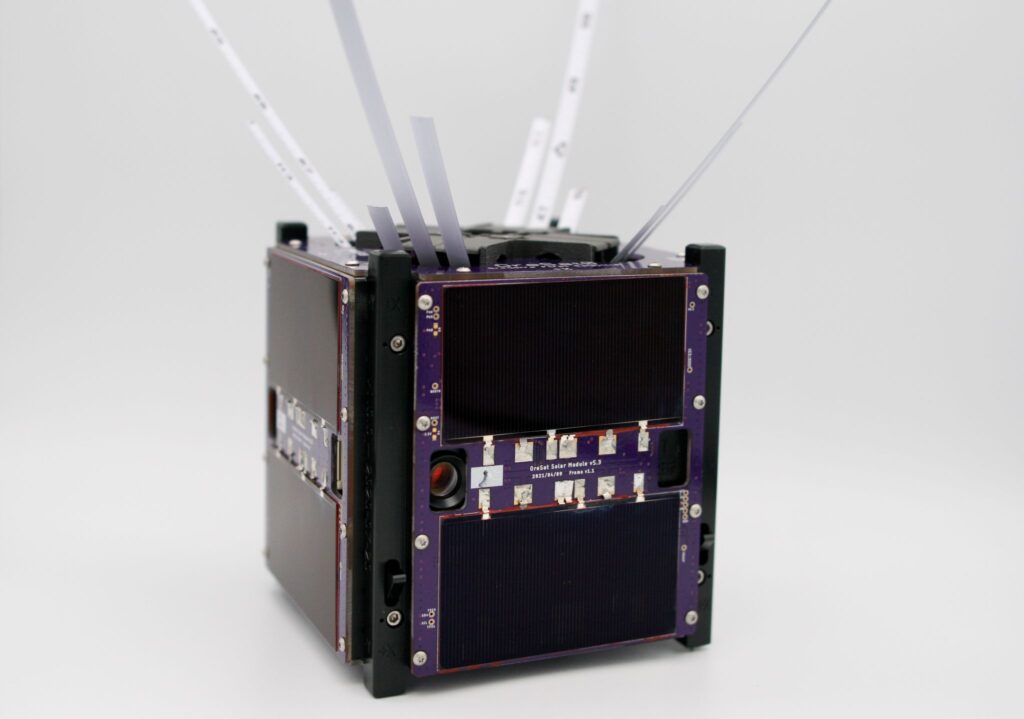
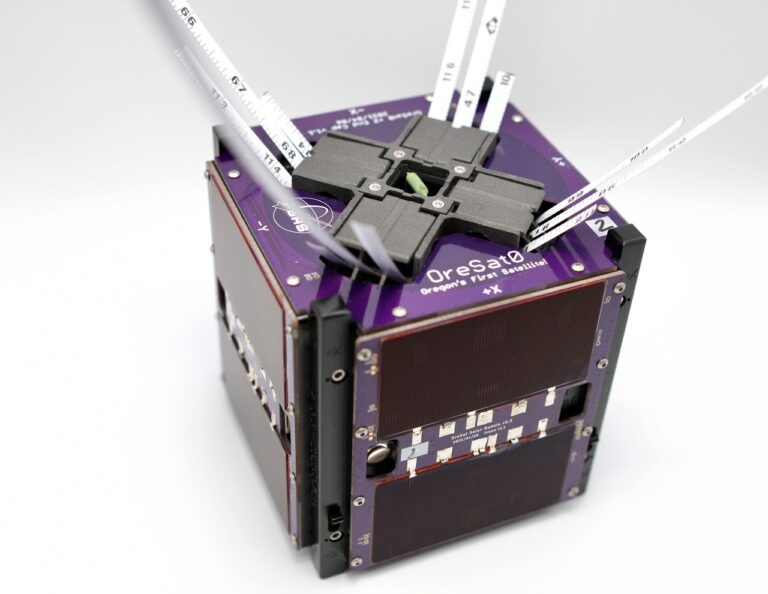
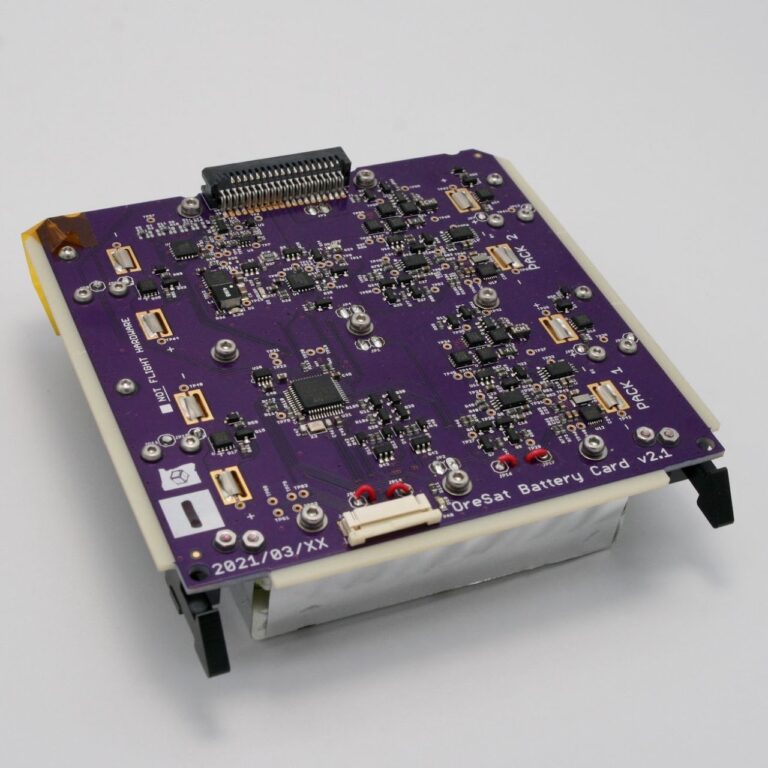
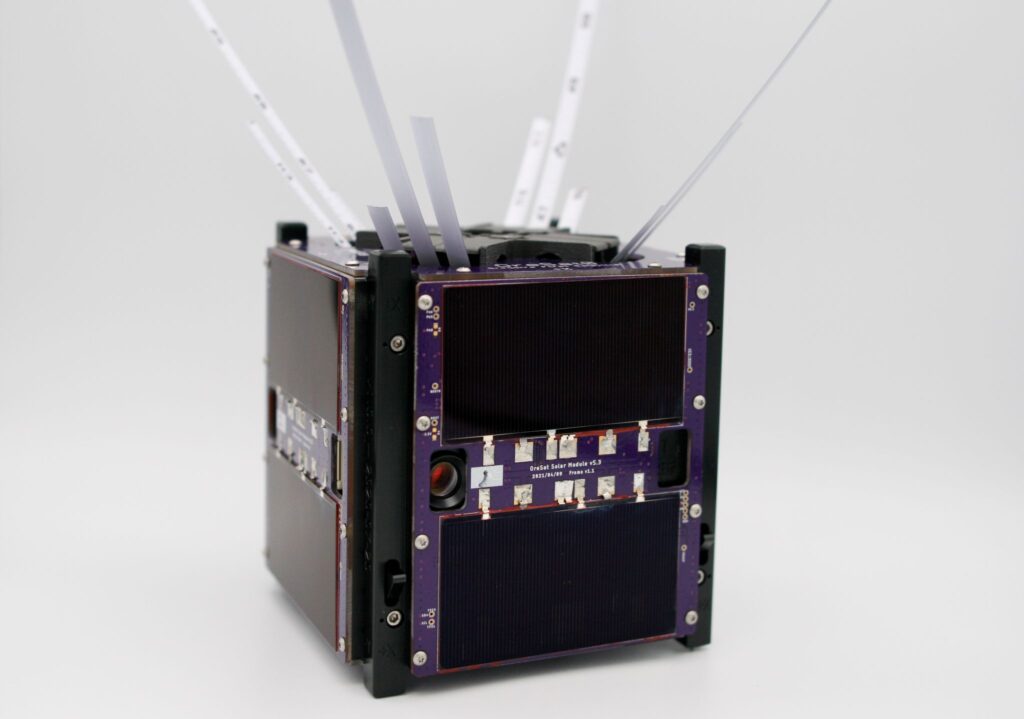
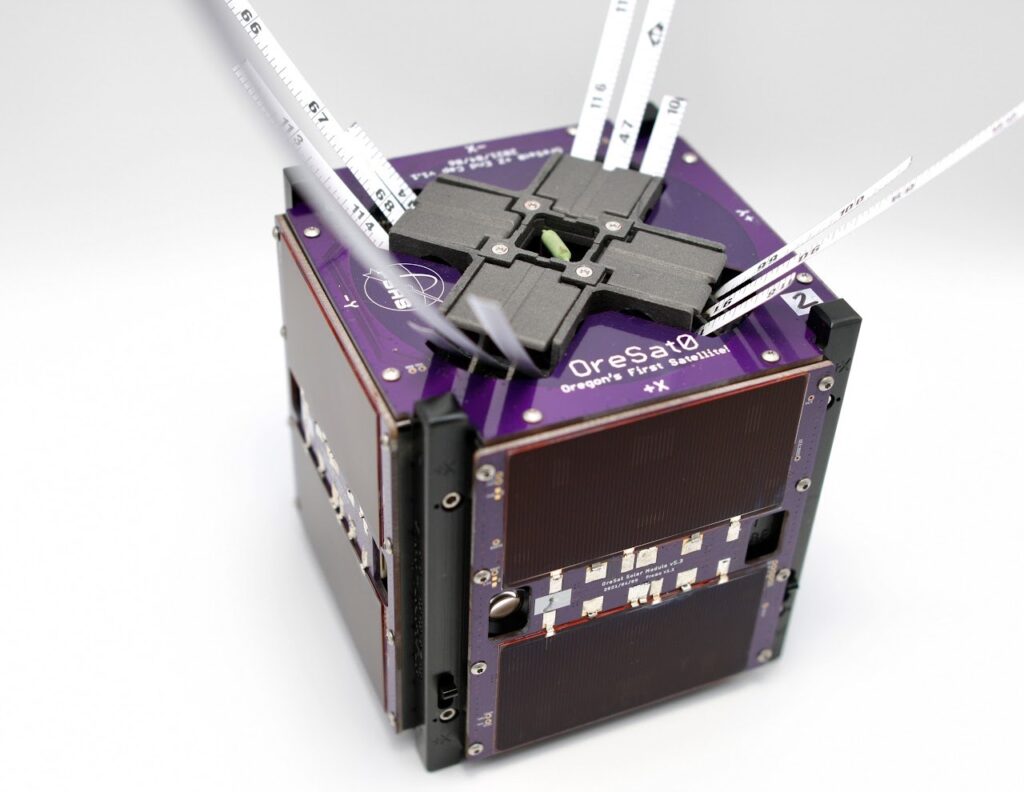
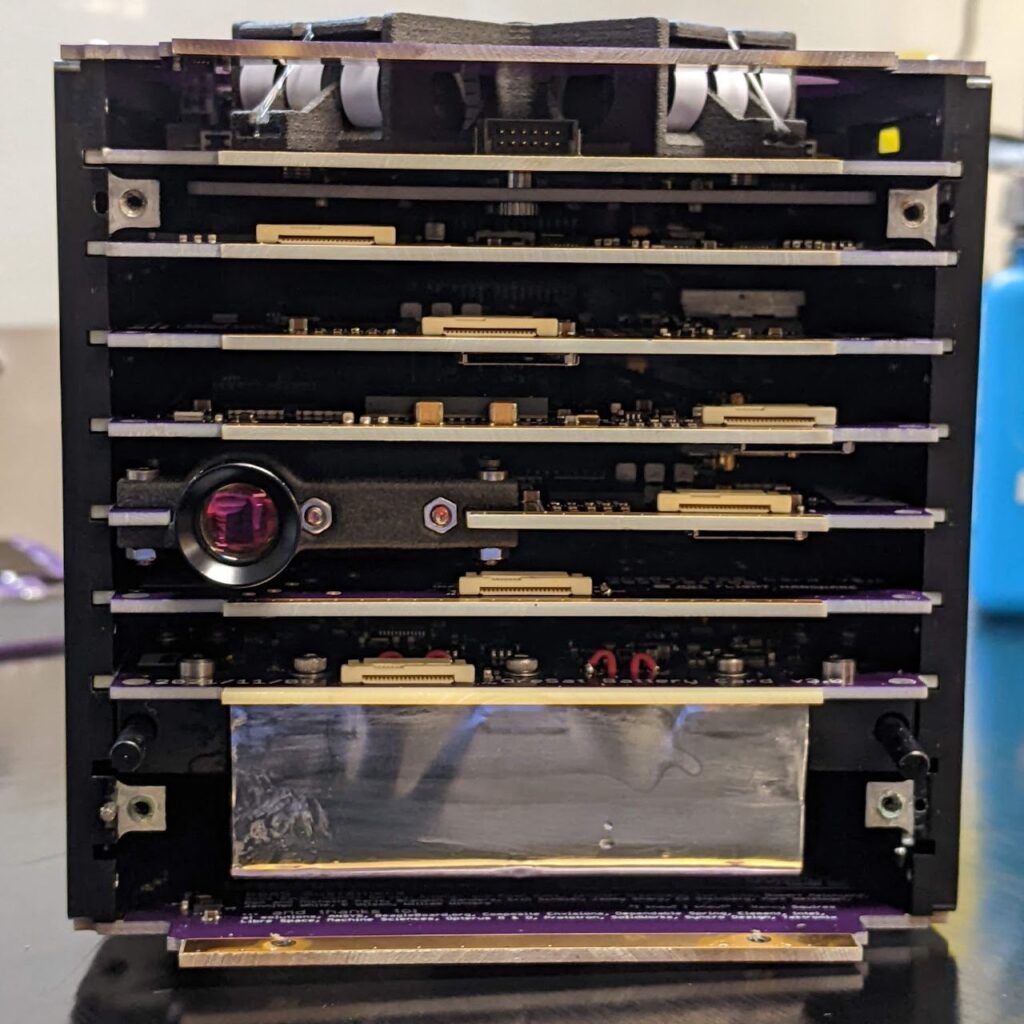
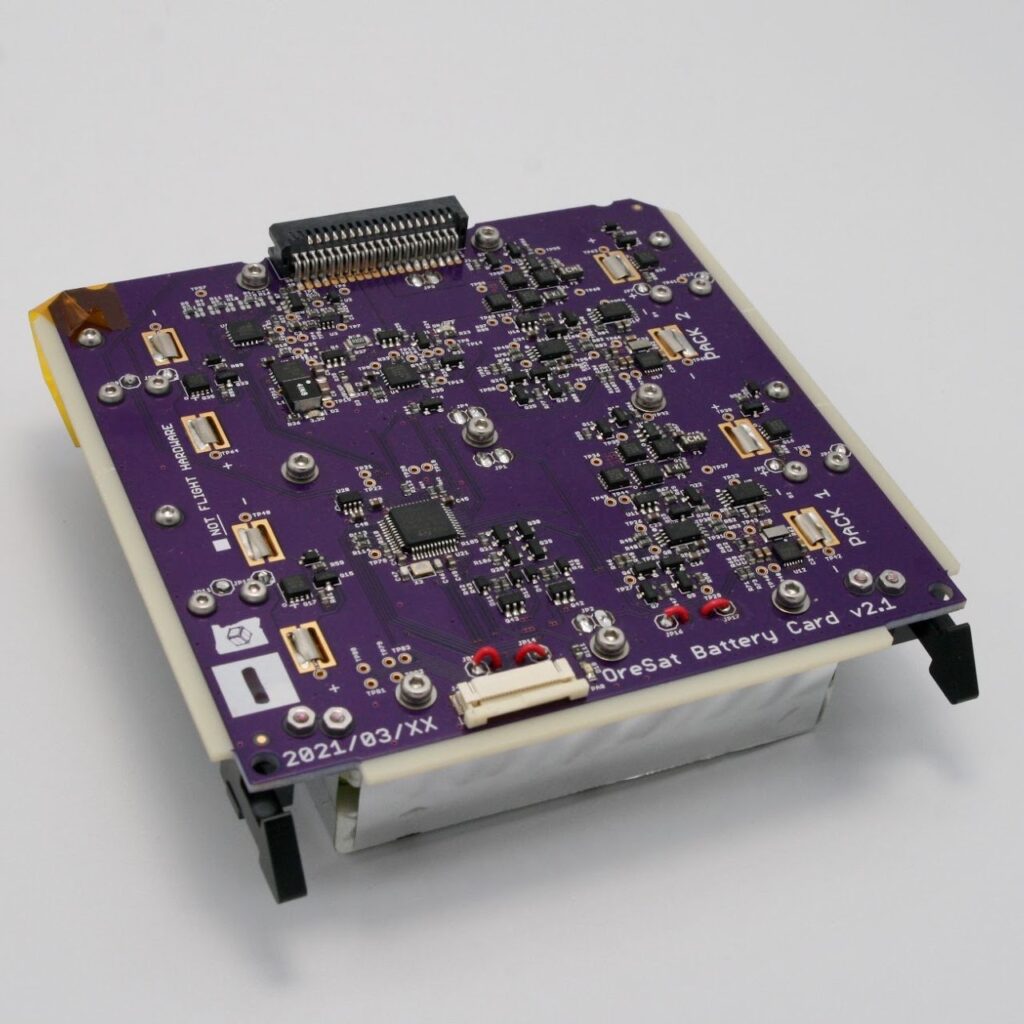
The OreSat program's design is an open-source, modular, card-cage CubeSat bus scalable from 1U to 3U, intended as an inexpensive, educational platform that other student and university teams can build on. Its first spacecraft, OreSat0, was a 1U CubeSat billed as Oregon's first satellite; it launched on an Astra Rocket 3.3 (mission LV009) on March 15, 2022 into a 525 km sun-synchronous orbit, flying solar panels, batteries, radios, an onboard computer, GPS, and a star tracker to provide flight heritage for OreSat's subsystems.

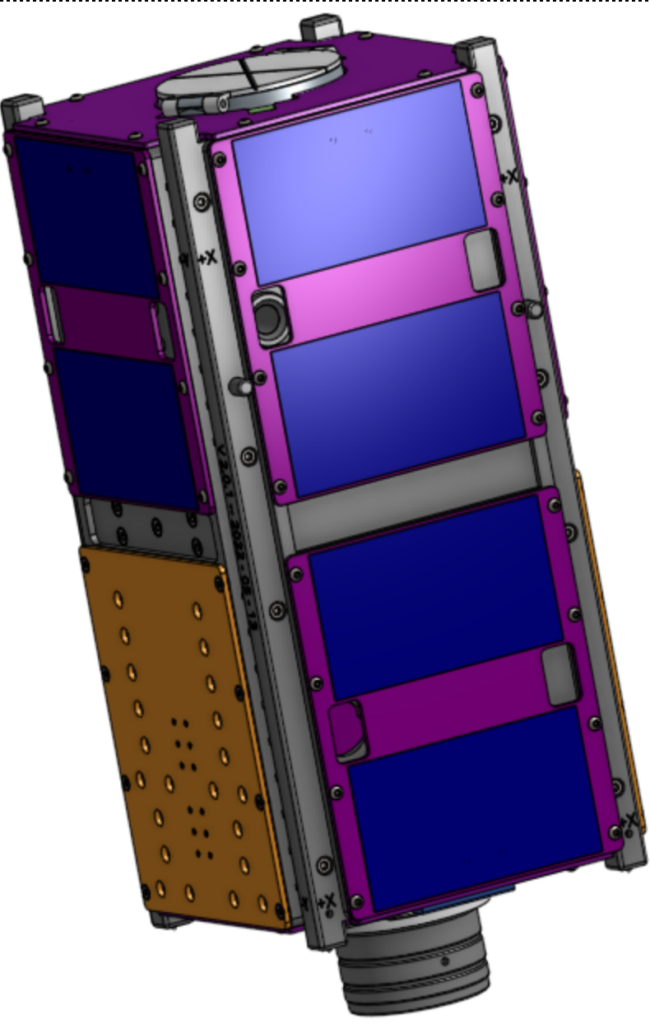
PSAS followed with OreSat0.5, a 2U CubeSat that launched aboard SpaceX's Transporter-11 rideshare mission on August 16, 2024 into a 510 km sun-synchronous orbit, deployed via ExoLaunch's NOVA CubeSat Deployer. OreSat0.5 demonstrated the attitude determination and control system (ADCS) of the OreSat bus and carried the Cirrus Flux Camera (CFC), a short-wave infrared sensor for Earth observation. The flagship OreSat mission, a 2U CubeSat accepted into NASA's CubeSat Launch Initiative (CSLI) and planned for deployment from the International Space Station via NanoRacks, is designed to carry two independent payload missions: OreSat Live and CFC.

Products

3

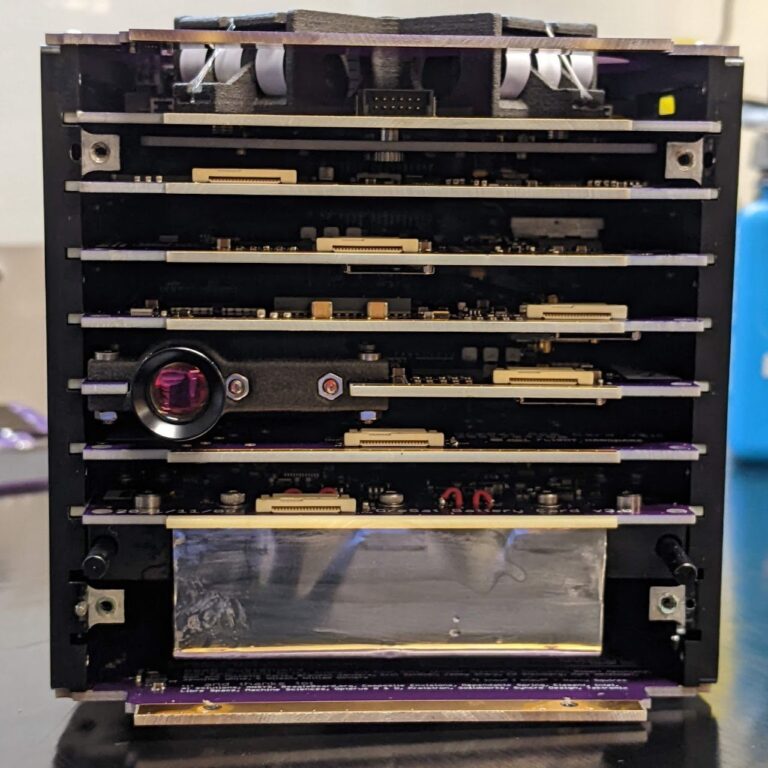
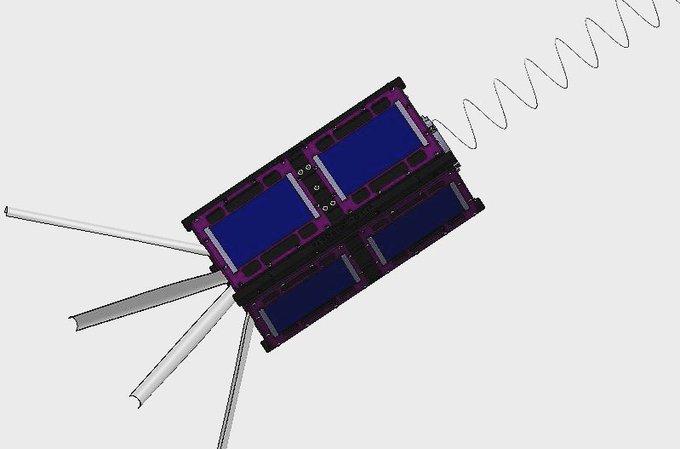
OreSat is a 2U CubeSat developed as the flagship satellite for the OreSat Project, featuring a hand-crafted, open-source bus designed for educational purposes.
1 1
Flight-proven

OreSat0 is a 1U CubeSat designed to provide flight heritage for critical subsystems of the OreSat system, including solar panels, batteries, radios, computer, GPS, and a star tracker.

1 47

OreSat0.5 is a 2U CubeSat technology demonstration mission for the OreSat bus's attitude determination and control system (ADCS) and the Cirrus Flux Camera (CFC) short wave infrared (SWIR) sensor.

1 8

Additional Services

5
Integration & testing
Details →
FlatSat Integration and Test Platform

The FlatSat is an integration and test platform designed for hardware, firmware, and software development. It presents an entire satellite's components laid out on a table, making them easily accessible for plugging in programmers and debugging equipment. This setup allows…

Full details →
Testing & qualification
Details →
Helmholtz Coil Magnetic Field Testing

The company employs a DIY Helmholtz 'cage' consisting of three (X,Y,Z) Helmholtz coils. This setup allows for the precise control of magnetic field vectors within the cage. It is specifically used to test the functionality and calibration of magnetometers, which…

Full details →
Details →
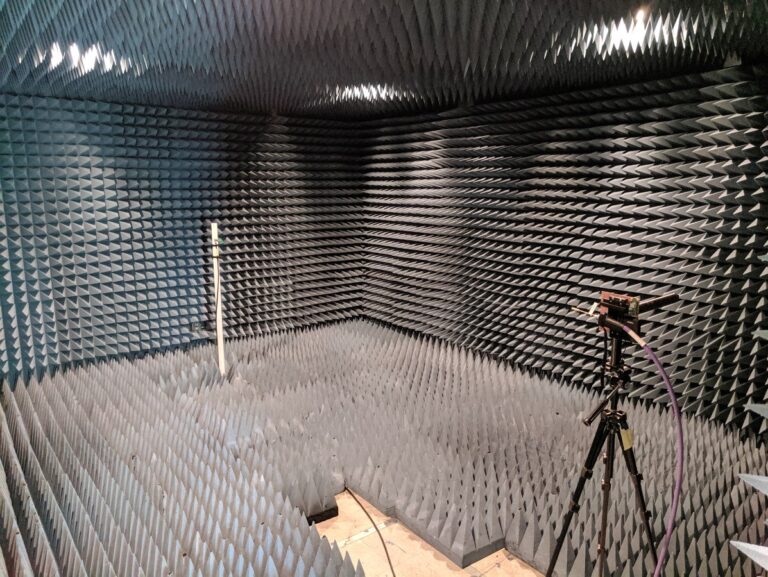
RF Anechoic Chamber Testing

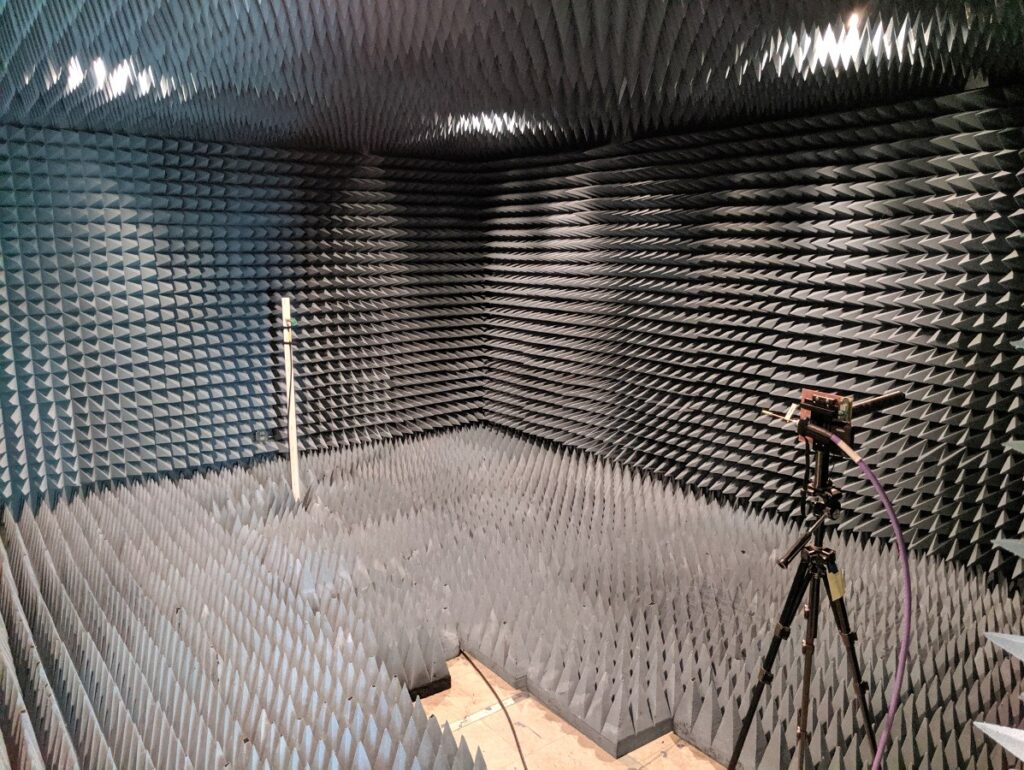
The company utilizes an RF anechoic chamber at PSU to conduct testing for antennas and Electromagnetic Compatibility (EMC). This specialized chamber is designed to absorb electromagnetic waves, creating an environment free from reflections and external interference. This allows for precise…

Full details →
Details →
Thermal Vacuum (TVAC) Testing

The company conducts thermal vacuum testing using a TVAC chamber to simulate the harsh conditions of space. This involves subjecting the satellite to freezing temperatures, baking, and a vacuum environment. This process is crucial for ensuring the satellite's components can…

Full details →
Details →
Vibration and Acceleration Testing

The company offers 3-axis vibration and acceleration testing for satellites, adhering to NASA specifications. This rigorous testing involves strapping the satellite down and subjecting it to intense shaking to simulate the launch environment. The purpose is to verify the satellite's…

Full details →

Reviews

No reviews yet — reviews come from buyer accounts that have worked with this company.

Write a review

0 / 2000
← All providers