L-band Microwave LNA
 Glavkosmos
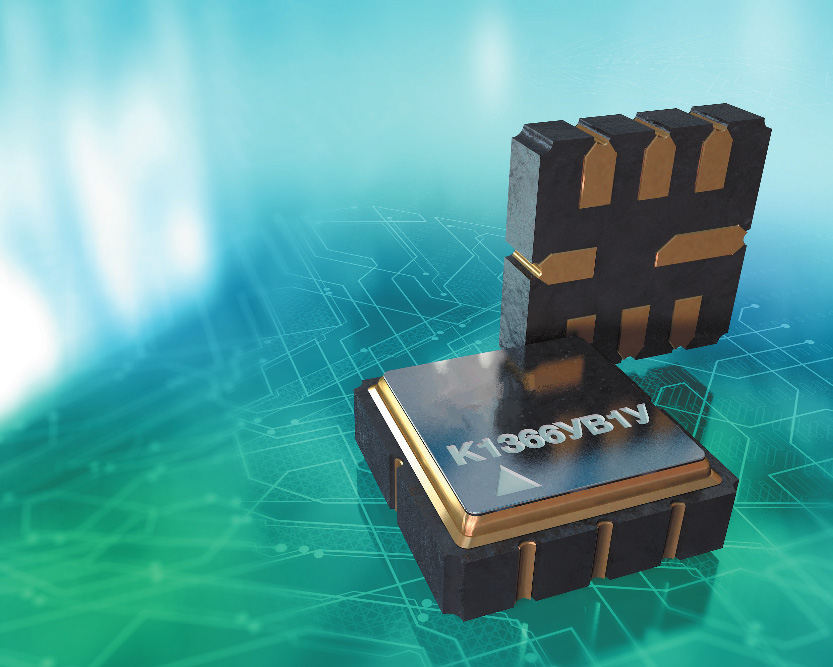
The L-band Microwave LNA is a silicon-germanium BiKMOS microwave monolithic integrated circuit (MMIC) designed for radio transceivers, particularly in satellite communications and navigation equipment, offering low power consumption and a low noise figure.
Key figurescomparable across the catalogue
- Mass
- 0.002 kg
- Power
- 0.015 W
- Design life
- 3 years
- Lead time
- 10 months
Normalised to common units so this product can be compared with others in its category. The supplier's own wording is below.
As published by the supplier
- Purpose
- Construction of radio transceivers.
- Year of release
- 2014
- Design life
- 3 years
- Lead time
- 10 months
- Flight qualification of the product
- No
- Possibility to adapt the product to customer requirements
- No
- W*h*t
- 5*5*1 mm
- Mass
- 2 g
- Supply voltage
- 3±0.3 V
- Operating temperature range
- -60 - +85 °C
- Case
- 5140.8-AN3 (Metal and ceramic case)
- Consumption current
- 5 mA
- Noise figure
- 1.8 db
- Input compression point
- -30 dBm
- Input frequency range
- 0.1…2 GHz
- Operating frequency range
- 0.1…2 GHz
- Gain
- 21 dB
- Vswr (In 50 Ohm tract)
- 2
About
The L-band Microwave LNA is a silicon-germanium BiKMOS microwave monolithic integrated circuit (MMIC) designed for the construction of radio transceivers. It is specifically intended for equipment with severe restrictions on power consumption, including satellite communications and navigation equipment, radar, and other appliances. This MMIC LNA leverages BiKMOS circuitry and high-speed silicon-germanium transistors to achieve significantly lower power consumption compared to gallium arsenide MMIC LNAs with comparable noise parameters. Key features include a power consumption of 15 mW and a noise figure of 1.8 dB. The product was released in 2014 and has a guaranteed service life of 3 years. While it is not flight-qualified, there is no possibility to adapt the product to customer requirements. It comes in a metal and ceramic case (5140.8-АН3).
Documentation
No public datasheet yet — request the datasheet / ICD from the supplier.