Solar Array Drive Assembly (SADA)
 MMA Design
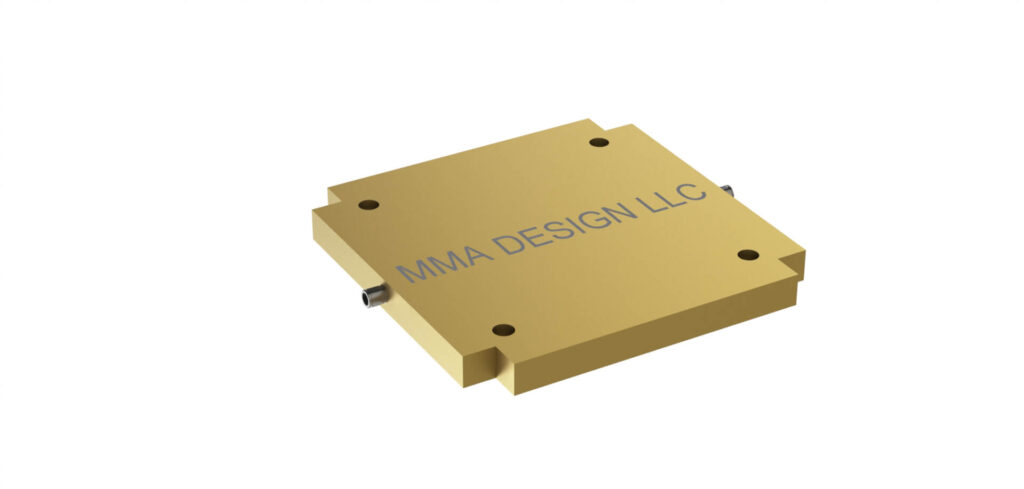
A gimbal mechanism that rotates a satellite's solar array wings to track the Sun, increasing average and peak orbital power.
Typed specifications2 values
Discloses 2 of 13 fields engineers filter by in this category (category median 2).
- Slip-ring tracks
- 16 max · description
- Rotation speed
- 2.2 rpm max · description
Each value is typed with its unit and measurement condition and cites the datasheet page it was taken from. Nothing is guessed: a field that is absent here has not been published by the manufacturer. machine-extracted ✓ checked by NewSpace Market ✓ manufacturer confirmed by the manufacturer.
As published by the supplier7 lines, in the manufacturer's own wording
- Actuation range
- +/-180 degrees
- Feed-through conductors
- Up to 16 signal/power feed-through conductors per wing
- Actuation speed
- Up to 2.2 degrees per second (adjustable per mission requirements)
- Variants
- 6.5 mm thick gimbal; 9 mm gimbal (supports higher powered arrays)
- Radiation tolerance
- Radiation tolerant and fully radiation hard versions available for extreme environments beyond LEO
- Compatibility
- Originally designed for CubeSats, adaptable for ESPA-class and larger spacecraft; only available on MMA Solar Arrays
- Multi-unit operation
- Multiple SADAs can be combined on a spacecraft and controlled in parallel
About
MMA Design’s Solar Array Drive Assembly (SADA) is a gimbal mechanism originally designed for CubeSats but adaptable for use on ESPA-class and larger spacecraft. It moves a satellite’s solar array wings to track the Sun on orbit or during critical maneuvers. When combined with a sun sensor, the SADA can accurately point the solar arrays toward the Sun to achieve higher average orbital power and maximize peak power across MMA’s broad suite of deployable solar arrays. MMA’s next-generation gimbal offers a radiation tolerant and fully radiation hard SADA variant for extreme environments such as those beyond low Earth orbit. The SADAs feature +/-180 degrees of actuation, up to 16 signal/power feed-through conductors per wing, and actuation speeds up to 2.2 degrees per second, with actuation speed adjustable as needed for mission requirements. MMA designs, fabricates, assembles and tests two variations completely in-house: a 6.5mm thick gimbal and a 9mm gimbal that supports higher powered arrays, accommodating various spacecraft form factors. Multiple SADAs can be combined on a single spacecraft and controlled in parallel. These gimbals are only available on MMA Solar Arrays.
Documentation
No public datasheet yet — request the datasheet / ICD from the supplier.