Nanosatellite Solar Panel
 SPUTNIX
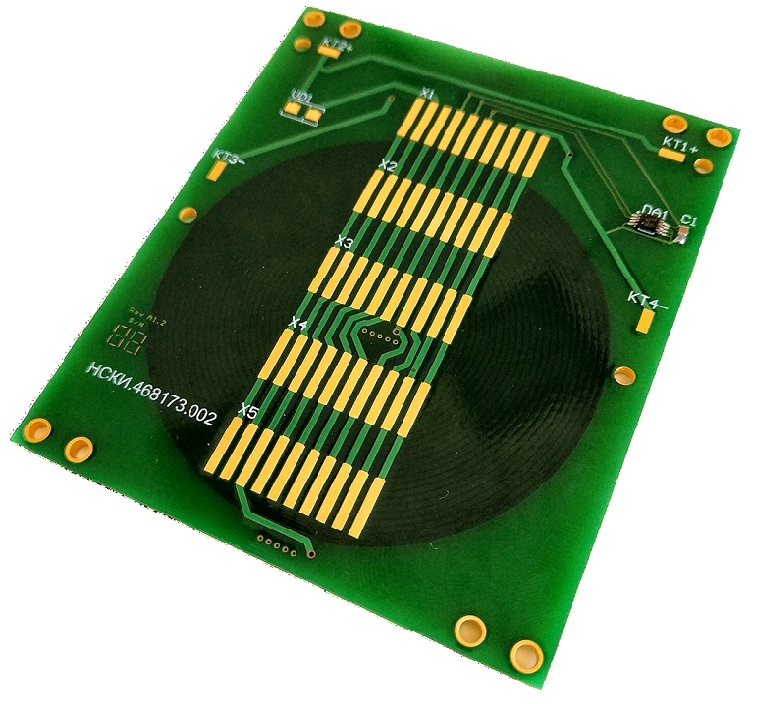
The Nanosatellite Solar Panel is a solar cell board designed to generate electrical power for nanosatellites by converting light energy.
Typed specifications4 values
Discloses 2 of 12 fields engineers filter by in this category (category median 3).
- Output power (BOL)
- 2.1 W product page
- Power consumption
- 2.1 W product page
- Design lifetime
- 1 years product page
- Lead time
- 6 months product page
Each value is typed with its unit and measurement condition and cites the datasheet page it was taken from. Nothing is guessed: a field that is absent here has not been published by the manufacturer. machine-extracted ✓ checked by NewSpace Market ✓ manufacturer confirmed by the manufacturer.
As published by the supplier12 lines, in the manufacturer's own wording
- Purpose
- Solar cell board designed to provide power for nanosatellite by converting light energy into electricity.
- Year of release
- 2016
- Design life
- 1 year
- Lead time
- 6 months
- Flight qualification of the product
- No
- Possibility to adapt the product to customer requirements
- Yes
- Temperature sensor resolution
- 12 bit
- Light sensor resolution per channel
- 16 bit
- Light sensor
- RGBW
- Temperature sensor accuracy
- 0.5 °C
- Solar cell power
- 2.1 W
- Actuation
- 0.2 A m2 (voltage 5 V)
About
The Nanosatellite Solar Panel, released in 2016, is a solar cell board engineered to provide power for nanosatellites. It functions by converting light energy into electricity, ensuring the continuous operation of the spacecraft. The panel has a guaranteed service life of 1 year and an estimated production/delivery time of 6 months. While it does not currently have flight qualification, there is a possibility to adapt the product to customer requirements. Key features include optional solar cells, integrated temperature and light sensors for monitoring environmental conditions, and an optional magnetic coil, which could be used for attitude control or other magnetic field interactions. The panel includes a 12-bit temperature sensor resolution, 16-bit light sensor resolution per channel, and uses an RGBW light sensor. The temperature sensor boasts an accuracy of 0.5 °C, and the solar cell provides 2.1 W of power with an actuation of 0.2 A m2 at 5 V.
Documentation
No public datasheet yet — request the datasheet / ICD from the supplier.