Magnetorquers MTQ M6P & MTQ MP42
 NanoAvionics
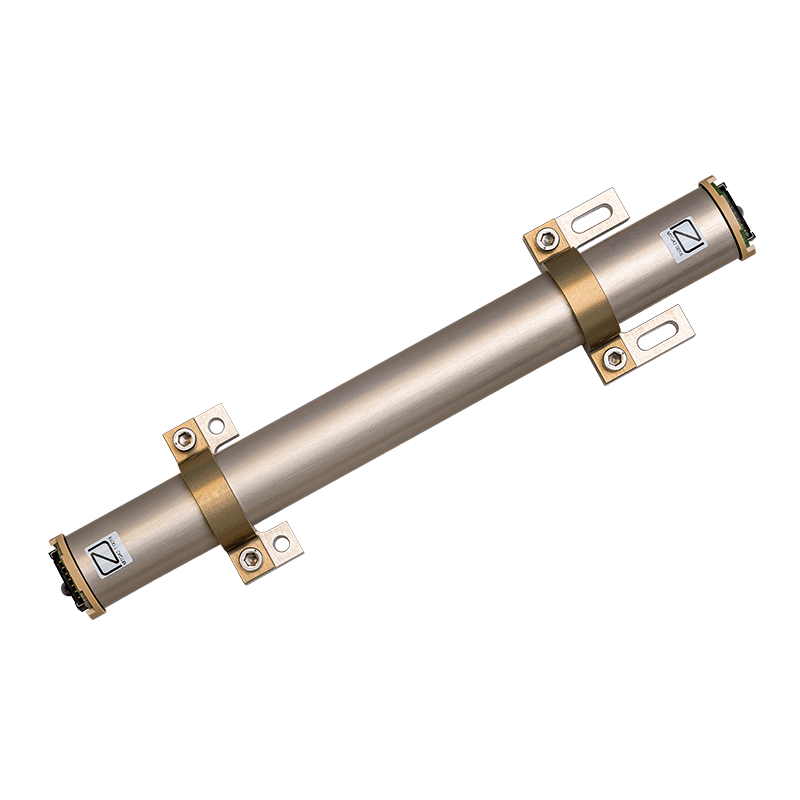
CubeSat and SmallSat magnetorquers (torque rods) for attitude control in nano- and microsatellite platforms, available in M6P (CubeSat) and MP42 (microsatellite) variants.
Typed specifications7 values
Discloses 3 of 8 fields engineers filter by in this category (category median 3).
- Magnetic dipole moment
- 0.3 A·m² product page 0.34 A·m² | 2.5 A·m² | 5 A·m²
- Mass
- 205 g product page
- Power consumption
- 2.5 W product page
- Connector
- 3× 1.5 mm PicoLock™ (one per axis) product page
Each value is typed with its unit and measurement condition and cites the datasheet page it was taken from. Nothing is guessed: a field that is absent here has not been published by the manufacturer. machine-extracted ✓ checked by NewSpace Market ✓ manufacturer confirmed by the manufacturer.
As published by the supplier14 lines, in the manufacturer's own wording
- MTQ m6p – mass
- 205 g ±1%
- MTQ m6p – dipole magnetic moment (X & Y axis, typ.)
- 0.30 Am²
- MTQ m6p – dipole magnetic moment (Z axis, typ.)
- 0.34 Am²
- MTQ m6p – supply voltage
- up to 5 V
- MTQ m6p – power consumption (typ.)
- ~0.4 W
- MTQ m6p – connector
- 3× 1.5 mm PicoLock™ (one per axis)
- MTQ m6p – form factor
- PC-104 compatible, CubeSat compatible
- MTQ mp42 – dipole magnetic moment (per single coil)
- 2.5 Am²
- MTQ mp42 – dipole magnetic moment (per two coils)
- 5 Am²
- MTQ mp42 – supply voltage
- up to 5 V
- MTQ mp42 – power consumption (two coils at 5 V)
- 2.5 W
- MTQ mp42 – temperature sensor
- Embedded
- MTQ mp42 – back emf protection
- Embedded voltage limiter per coil
- Minimum order quantity
- 3 pieces
About
NanoAvionics Magnetorquers MTQ M6P and MTQ MP42 are designed to meet the newest nano and microsatellite market demand. Magnetorquers are actuators that generate a magnetic moment that interacts with the Earth’s magnetic field, creating a torque that enables satellite in-orbit maneuvering and attitude control.
The MTQ M6P is compatible with the PC-104 form factor and most CubeSat structures, using 3 separate 1.5 mm pitch PicoLock™ connectors for power input to each axis (connectors can be customized if required). It provides typical dipole magnetic moment of 0.30 Am² on the X & Y axes and 0.34 Am² on the Z axis, with a mass of just 205 g and power consumption of approximately 0.4 W at up to 5 V supply.
The MTQ MP42 is designed for microsatellite platforms and features an embedded back EMF voltage limiter for each coil and an integrated temperature sensor. It delivers 2.5 Am² of dipole magnetic moment per single coil, or 5 Am² when both coils are used together, at a supply voltage of up to 5 V with combined power consumption of 2.5 W. Both models are flight-proven and designed for seamless integration with NanoAvionics satellite buses and ADCS subsystems.
Documentation
No public datasheet yet — request the datasheet / ICD from the supplier.