TiNi™ Pin Puller P10
 Ensign-Bickford Aerospace & Defense (EBAD)
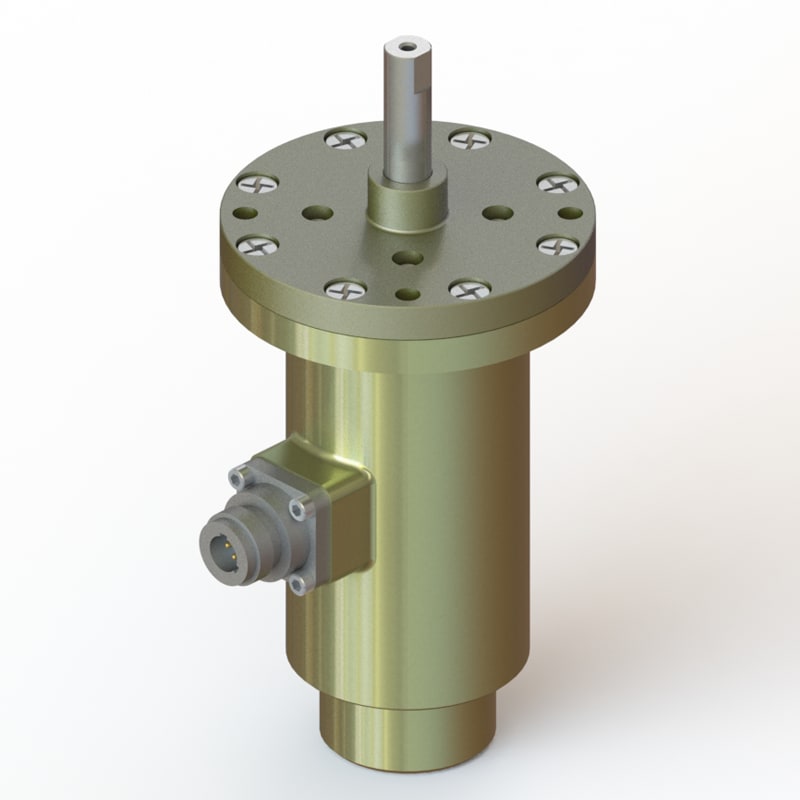
A non-pyrotechnic pin puller utilizing Shape Memory Alloy (SMA) wire, offering a 10 lbf (44 N) pull force and a minimum of 100 cycles.
Typed specifications8 values
Discloses 1 of 10 fields engineers filter by in this category (category median 2).
- Mass
- 30 g description
- Release time
- 100 ms max · description
- Operating temperature
- -65 °C min · description 70 °C max
- Actuator
- 10 product page 100
- Cycles / reuses
- 100 min · description
- Flight heritage
- flight pedigree description
Each value is typed with its unit and measurement condition and cites the datasheet page it was taken from. Nothing is guessed: a field that is absent here has not been published by the manufacturer. machine-extracted ✓ checked by NewSpace Market ✓ manufacturer confirmed by the manufacturer.
As published by the supplier13 lines, in the manufacturer's own wording
- Pull force
- 10 lbf (44 N)
- Side load (actuation)
- 10 lbf (44.5 N)
- Side load (non-actuation)
- 100 lbf (444.8 N)
- Mass
- 1.06 oz (30 g)
- Operating current
- .4 to 1.5 A
- Resistance
- 7.7±.5 Ω
- Function time @ 23ºc
- 100 ms max @ 1 A
- Cycle life
- 100 min
- Operating temperature
- -65ºC + 70ºC
- Height (before pin retraction) x
- 1.625 in
- Height (after pin retraction)y
- 1.375 in
- Max diameter (with flange)z
- 1.25 in
- Front/rear resettable
- Yes
About
EBAD’s TiNi™ Pin Pullers are non-pyrotechnic separation systems used in satellite applications to provide a simple and effective solution where a pull force is required. The P10 model offers a 10 lbf (44 N) pull force and a side load (actuation) of 10 lbf (44.5 N). It has a non-actuation side load of 100 lbf (444.8 N). The device operates with a current range of 0.4 to 1.5 A and has a resistance of 7.7±0.5 Ω. Its function time at 23ºC is 100 ms max at 1 A. The P10 model is designed for a minimum of 100 cycles and operates within a temperature range of -65ºC to +70ºC. It is front/rear resettable. The pin puller utilizes a Shape Memory Alloy (SMA) wire to release a latch, allowing internal compression springs to retract the pin. It features a redundant firing circuit, maximum reliability through design simplicity, and flight pedigree. Applications include solar array and instrument deployment, instrument launch locks, and optic cover releases. The enclosure is typically made with aluminum alloy with a titanium flange, and the output pin is stainless steel with a tiolon finish.
Documentation
No public datasheet yet — request the datasheet / ICD from the supplier.